
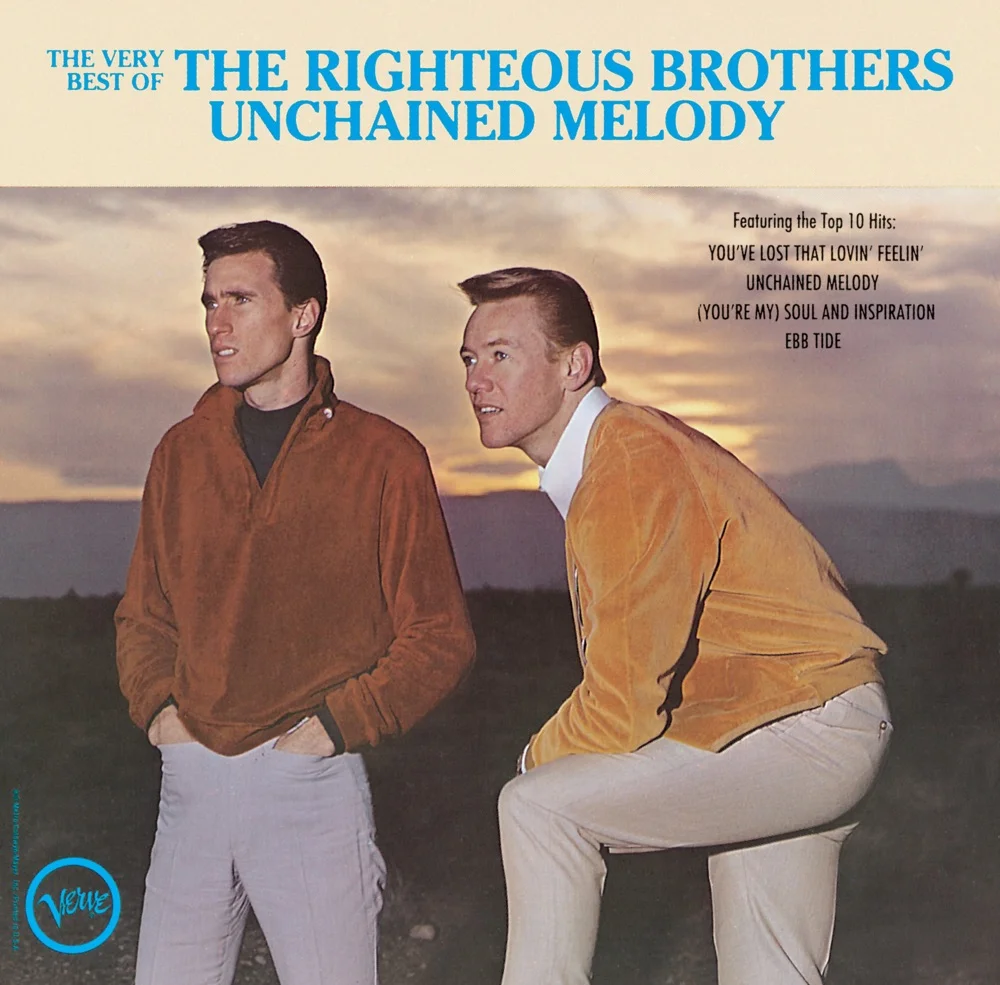
The "Wall of Sound" Vocal Challenge
You’ve Lost That Lovin’ Feelin’ is the ultimate test for Baritone singers. Produced by Phil Spector, this song defines "Blue-eyed Soul." It features one of the most famous slow-builds in music history, starting with Bill Medley’s impossibly deep, resonant verses and exploding into a massive chorus that requires serious power.
To sing this well, you need to master your chest register without swallowing the sound, and then seamlessly transition to a powerful upper belt without straining. Let's break down the technique required.
AI Coach Tip: Relax Your Throat
For the opening line "You never close your eyes," many singers try to force their voice down, resulting in a gravelly "fry." Keep your larynx relaxed and your jaw loose to maintain a warm, clear tone on the C3.
Phase 1: The Verse (0:00 - 1:05)
The song begins in the basement of the male range. The key here is resonance. You aren't just singing low; you are telling a sad story.
The Trap: As you sing "Baby, baby, I'd get down on my knees for you," the melody stays low but the intensity must increase. Do not shout. Use diaphragm support to add weight to the voice without raising the pitch prematurely.
Phase 2: The Chorus (1:05 - 1:45)
This is where the "Wall of Sound" hits. The melody jumps up, and you are joined by backing vocals (originally Bobby Hatfield). The lyrics "You've lost that lovin' feelin'" sit right in the passaggio (bridge) for many male singers.
- Pitch Accuracy: The melody is repetitive, which makes going flat very noticeable. The AI Coach monitors micro-pitch variations here.
- Vowel Shape: Use open vowels (Ah, Oh) to help project your voice over the dense instrumentation.
Phase 3: The Bridge & Climax (2:20 - End)
The famous "Baby, baby, I'd get down on my knees" section is a masterclass in dynamics. You start soft and pleading, and build tension line by line until the final explosion of sound.
The climax hits a G4 belt. To achieve this safely, engage your core muscles and think of the sound going forward out of your mouth, rather than up into your head. This forward placement gives you the "bite" needed to match the Righteous Brothers' energy.
Frequently Asked Questions
The lead vocal belts up to a G4 during the climax. However, the backing harmonies (originally sung by Bobby Hatfield) go much higher into the Tenor range.
Yes, but the low verses (C3) might be quiet for you. Singing Coach AI allows you to transpose the track up +2 semitones to make the verses shine without losing the power of the chorus.
Don't push your chin down. Keep your head level, open your throat (like a yawn), and let the sound vibrate in your chest. Pushing too hard kills the resonance.