
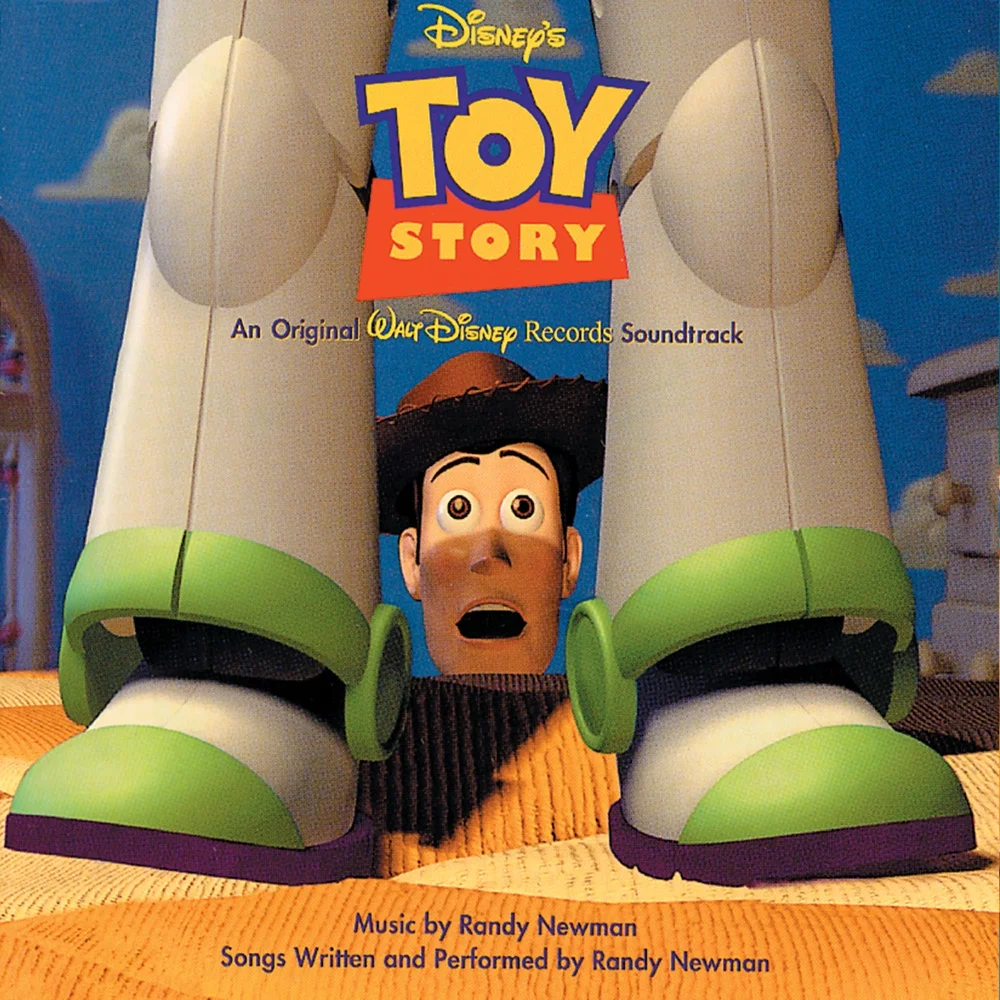
The Ultimate Buddy Anthem
"You’ve Got a Friend in Me" is the defining song of the Toy Story franchise and a masterpiece of Randy Newman's unique style. While it doesn't require a massive vocal range, it demands excellent phrasing, rhythmic precision, and a warm, honest tone.
The key to singing this song effectively is to treat it like a conversation. Newman's vocal delivery is famous for its slurred, relaxed diction and "mumble-jazz" quality. If you sing it too precisely or operatically, you lose the charm. Let's break it down.
AI Coach Tip: Master the Shuffle
This song is in a swing/shuffle rhythm. Do not sing the eighth notes straight (like a march). Think "long-short, long-short." Our rhythm analyzer often flags singers for being too stiff on the beat.
Phase 1: The Verses (0:00 - 0:45)
The opening lines, "You've got a friend in me," should be sung with a smile. The placement of your voice should be in the chest, feeling the resonance in your sternum. It’s an Eb Major melody that moves stepwise.
The Trap: Many singers rush the gap between phrases. Newman leaves plenty of space for the piano fills. Breathe deeply and wait for the "and 4" beat to come in. Patience creates that laid-back vibe.
Phase 2: The Bridge (0:46 - 1:15)
The lyrics shift here: "Some other folks might be a little bit smarter than I am..." This section introduces more chromatic notes and a slight increase in volume (dynamics).
- Smarter / Stronger: Lean into these words slightly to emphasize the comparison.
- None of them will ever love you: This is the emotional core. Drop the volume slightly here to draw the listener in.
- The way I do: Ensure you land the pitch squarely on "do." Sliding up to it is stylistically appropriate, but don't overshoot.
Phase 3: The Outro and Sustain (1:45 - End)
The song wraps up with a repetition of the title hook. The final "You've got a friend in me" features a sustained note on "Me" (an Eb). This needs to be held with a steady, warm vibrato.
Avoid pinching your nose (nasality) on the "ee" vowel. Modify the vowel slightly towards "ih" (as in "sit") to keep the throat open and the tone rich.
Frequently Asked Questions
The song spans from Eb3 to roughly G4. It sits very comfortably for Baritones and low Tenors. Alto singers can also sing it in the original key comfortably.
Relax your jaw and don't over-enunciate. Randy often "chews" his words slightly. Focus on the storytelling rather than perfect vocal technique.
Not really. The shuffle rhythm is integral to the composition. If you sing it straight, it will sound like a nursery rhyme rather than a jazz-pop standard.