
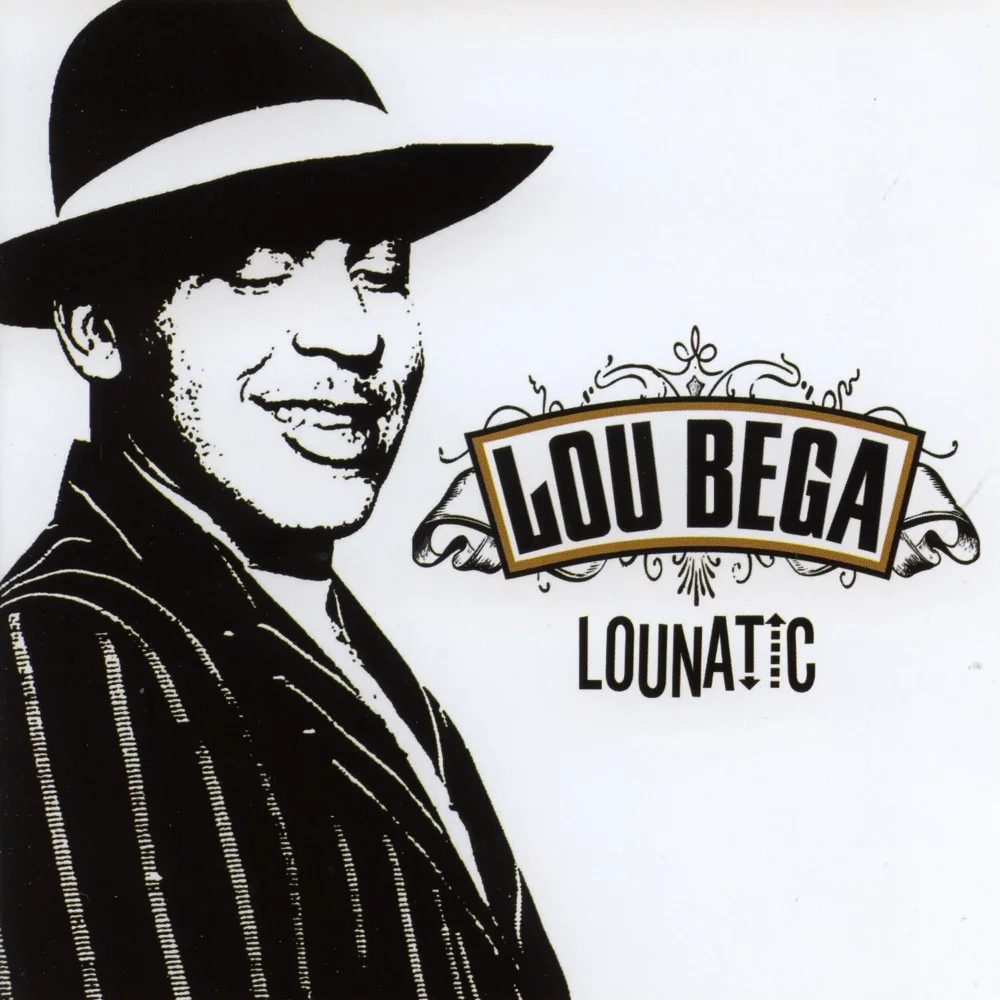
Master the Mambo Rhythm
"You Wanna Be Americano" is a high-energy cover of the Italian classic "Tu vuò fà l'americano." Lou Bega's version infuses Mambo elements with a modern pop beat. Unlike a ballad where you can hold long notes, this song requires precise rhythmic articulation and a punchy delivery.
The primary challenge isn't vocal range—the song sits comfortably in the Baritone chest register—but rather the diction and the "swing" feel. You need to tell a story with attitude.
AI Coach Tip: Watch Your Breath
The verses move quickly. Our analysis shows users often run out of breath before the chorus. Take quick "sip" breaths at the punctuation marks in the lyrics, rather than deep breaths that slow you down.
Phase 1: The Verses (Rhythm & Flow)
The verses are almost spoken-word, but they must be pitched correctly. Lou Bega uses a technique that borders on "Sprechgesang" (speech-song). Keep your articulation forward in your mouth, using your lips and tongue actively to enunciate the rapid English lyrics.
The Trap: Don't drag the tempo. You must stay slightly ahead of the beat to maintain the driving energy of the song. If you sing too lazily, the track will feel heavy.
Phase 2: The Chorus Hook
This is the famous line: "You wanna be Americano, Americano, Americano." It requires a brighter tone than the verses. You want to project confidence here.
- Pronunciation: The original Italian lyrics ("Tu vuò fà l'americano") are often slurred in pop covers. Focus on the vowels: "A-me-ri-ca-no."
- Pitch: The melody stays relatively flat but uses chromatic approaches. Ensure you are hitting the center of the pitch, especially on the 'no' at the end of the phrase.
Phase 3: The Attitude
Lou Bega sells this song with charisma. It's a playful, slightly ironic track. Use vocal fry sparingly at the start of phrases to add grit, and smile while you sing—this actually brightens the resonance and helps with the "swing" vibe.
For the instrumental breaks, maintain your energy. Don't let your posture collapse; keep the engagement high so you are ready to attack the next verse immediately.
Frequently Asked Questions
The melody generally tops out around E4. It's a very accessible range for most male singers without needing to switch to falsetto.
It's a mix. The verses are in English, while the chorus retains the iconic hook from the original Neapolitan song by Renato Carosone.
Use the Singing Coach AI app to slow the track down to 75%. Practice the diction until your tongue doesn't trip over the words, then speed it back up.