
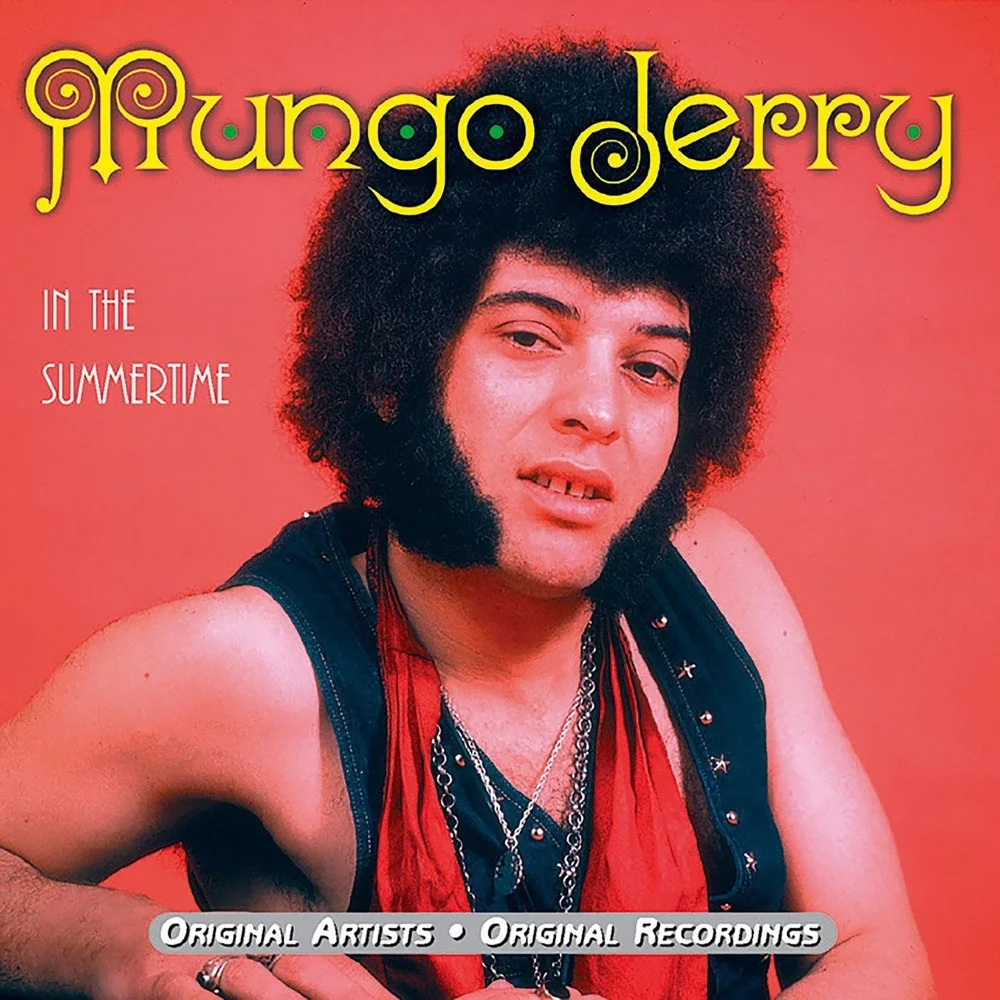
A Skiffle Rock Masterclass
Following the massive success of "In the Summertime," Mungo Jerry returned with You Don’t Have to Be in the Army to Fight in the War in 1971. This track embodies the skiffle and jug band revival style that Ray Dorset made famous. Unlike power ballads that require massive range, this song requires attitude, timing, and a very specific vocal texture.
The song is an anti-war anthem disguised as a foot-stomping good time. To sing it well, you need to channel a relaxed, almost conversational style while maintaining a driving rhythm that locks in with the acoustic guitars.
AI Coach Tip: Watch Your Diction
Because the tempo is upbeat and the lyrics are wordy, it's easy to slur your words. Our analysis shows users lose points on clarity. Keep your consonants crisp, especially on the word "War" at the end of the phrase.
Phase 1: The Groove (The Verses)
The song is built around a standard C Major progression. The verses are sung in a mid-range chest voice. The challenge isn't pitch; it's the "bounce."
The Trap: Singing too straight or legato. This song needs a staccato, percussive feel. Think of your voice as another instrument in the rhythm section. Don't drag the notes out; hit them and move to the next syllable.
Phase 2: The Grit (Ray Dorset's Tone)
Ray Dorset has a distinctive, gravelly voice. To emulate this safely, you don't want to squeeze your throat. Instead, use a "fry" technique at the bottom of your range or add a little "twang" to cut through.
- The "Army" Hook: The title line is the catchy hook. Lean into the word "Army" and "War" with a bit more volume and chest resonance.
- Relaxed Jaw: To keep the sound authentic to the 70s folk-rock style, keep your jaw loose. A tight jaw will make you sound too operatic for this genre.
Phase 3: The Energy
As the song progresses, the energy builds. You shouldn't be shouting, but the intensity should increase. The repetition in the lyrics means you need to vary your dynamics to keep the listener engaged. Try singing the first verse slightly softer and building to a full forte volume by the final chorus.
Frequently Asked Questions
The melody generally tops out around an E4 or F4, making it very accessible for Baritones and Tenors without needing to switch to head voice.
No, but understanding the guitar rhythm helps. The vocals follow the strumming pattern closely. Using the Singing Coach AI visualizer helps you see where the beats land.
Don't push air too hard. The rasp should come from relaxation, not tension. If your throat hurts, stop immediately. Focus on the rhythm first, texture second.

