
The Art of the Heartbreak Duet
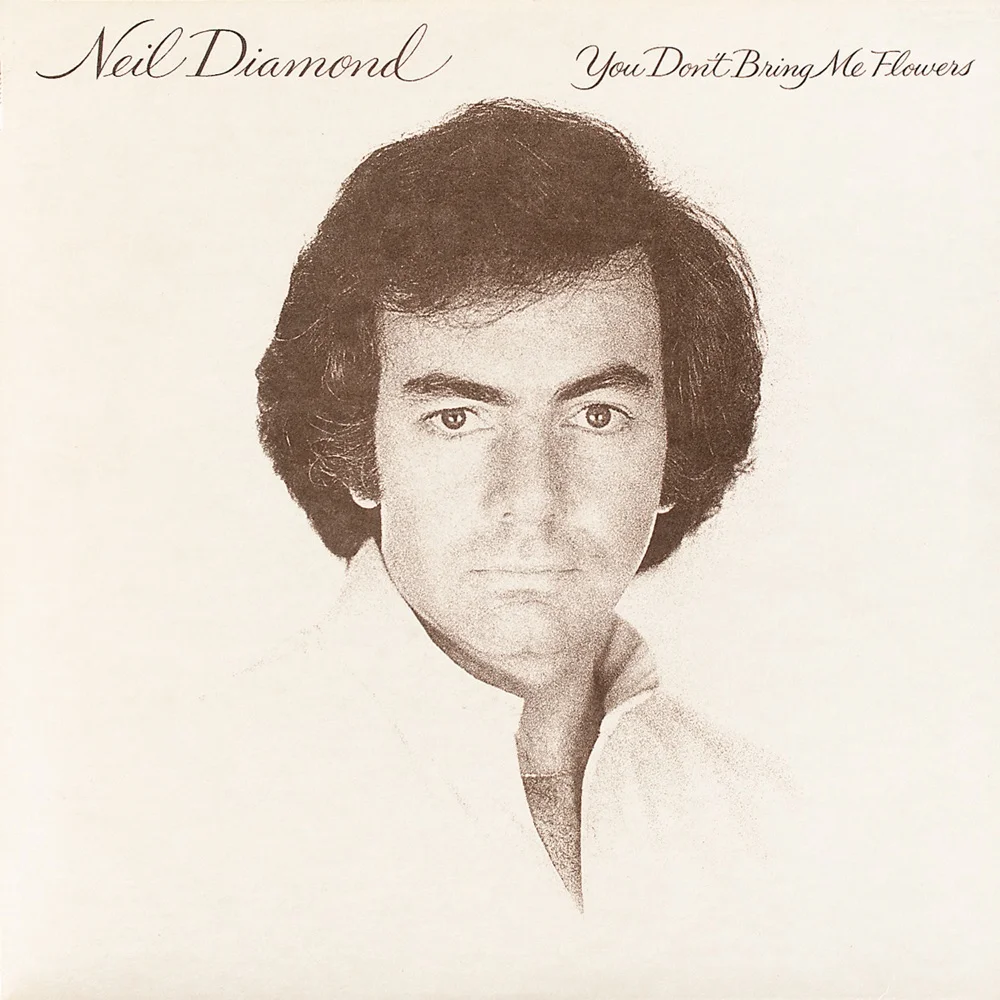
"You Don’t Bring Me Flowers" famously began as two separate solo recordings by Neil Diamond and Barbra Streisand that were mashed up by a radio DJ, inspiring the official duet we know today. This song is a study in chemistry, resignation, and dynamic control.
Whether you are singing the Baritone part (Neil) or the Mezzo/Soprano part (Barbra), or attempting a solo cover, the challenge lies in the emotional arc. You start in a place of quiet reflection and end in a powerful declaration of lost love.
AI Coach Tip: Watch Your Phrasing
The opening verses are conversational. Avoid "singing" too hard initially. Our analysis shows that users who adopt a spoken-word style for the first 45 seconds score higher on style accuracy.
Phase 1: The Conversational Intro (0:00 - 1:15)
The song opens with a simple piano accompaniment. If you are singing Neil's part, keep your placement low in the chest, using a "gravelly" texture but maintaining pitch clarity. If you are singing Barbra's entrance, your tone should be pristine and clear, but soft (mezzo-piano).
The Trap: Rushing the silence. This song breathes. Allow the pauses between phrases like "You don't bring me flowers... you don't sing me love songs" to linger.
Phase 2: The Build (1:15 - 2:30)
As the strings enter, the intensity must rise. The lyrics shift from observation to realization.
- Resonance: Start lifting the soft palate to create more space in the back of the throat. This prepares you for the louder notes to come.
- Blending: If singing as a duet, focus on volume matching. Neither voice should overpower the other until the designated solo lines.
Phase 3: The Climax (2:30 - End)
The bridge leads to the powerful unison line "You don't bring me flowers anymore!" This is the emotional peak.
For the higher notes here (up to E5 for the higher harmony), use a reinforced mix voice. Do not pull pure chest voice too high or you risk straining. You want a "cry" in the voice to convey the sadness of the lyrics. The ending fades back to a whisper, requiring excellent breath support to sustain the final notes without wavering.
Frequently Asked Questions
The highest note in the main melody (Barbra's part) touches an E5 during the ad-libs and harmonies near the climax.
Absolutely. Both artists originally recorded solo versions. However, the duet version allows for a greater dynamic range and is the standard for vocal exams.
Focus on chest resonance and "vocal fry" in the lower register. Keep the larynx neutral or slightly lowered to achieve that warm, deep quality.