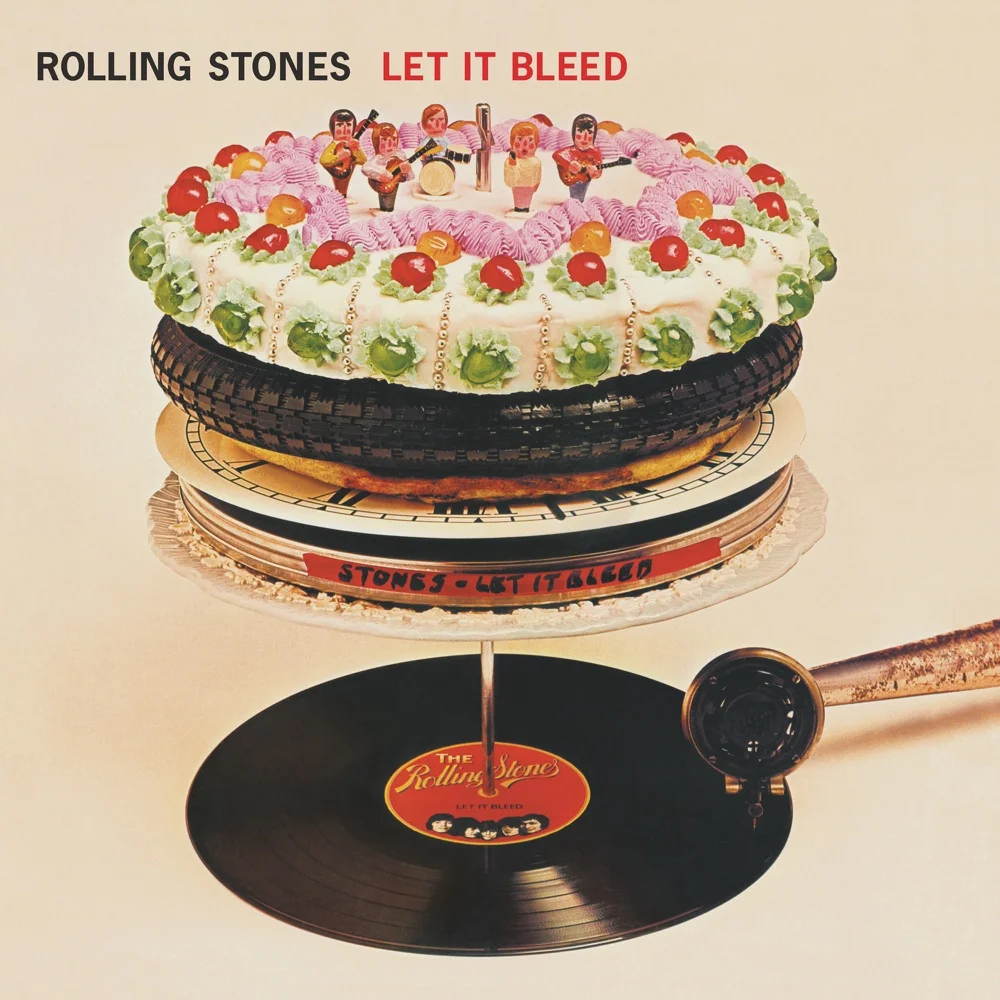
From Choirboy to Rock God
Closing the album Let It Bleed, "You Can’t Always Get What You Want" is one of The Rolling Stones' most complex arrangements. It begins with the London Bach Choir and ends with a raucous, gospel-inspired climax. For a singer, this song is a masterclass in versatility.
Mick Jagger's performance here is iconic not because of perfect pitch, but because of his distinct phrasing and tonal shifts. You start with purity and end with grit. Here is how to navigate the 7-minute journey without losing your breath.
AI Coach Tip: The "Jagger" Vowels
Jagger often flattens his vowels. When singing "You can't always get what you want," try dropping your jaw and widening your mouth slightly on "want." Our app tracks vowel shapes to help you match his signature resonance.
Phase 1: The Choral Intro (0:00 - 0:50)
The song opens in C Major with a boys' choir. If you are singing this section, you must abandon your "rock" voice entirely. Use your head voice with a vertical mouth shape. Keep the tone straight—no vibrato.
The Trap: Many singers bring their chest voice up too high here. Keep it light and airy until the acoustic guitar kicks in.
Phase 2: The Acoustic Verse (0:50 - 2:20)
When the acoustic guitar enters, the vocal style shifts to a relaxed, conversational baritone. The range here is very comfortable (C3 - E4). The challenge is the rhythm.
- Phrasing: Jagger sings "I saw her today at the reception" slightly behind the beat. This creates that lazy, bluesy feel.
- Diction: Enunciate clearly, but keep the edges round. Don't be too crisp, or it will sound like musical theater instead of rock and roll.
Phase 3: The Gospel Climax (4:00 - End)
As the song builds, the vocal line moves higher in the chest register. By the end, you are competing with a full choir and french horns. You need to project.
The ad-libs near the end reach up to A4. To hit these, engage your diaphragm and add a bit of "cry" or vocal fry to your tone. This allows you to access higher notes without straining your throat, giving you that authentic Stones grit.
Frequently Asked Questions
The main melody stays relatively low, topping out around F4. However, the improvised ad-libs at the end reach up to an A4.
The intro was sung by the London Bach Choir. When covering the song solo, you can transpose this down an octave or use your falsetto/head voice to mimic the choir texture.
The notes are accessible for most male voices (Baritones/Tenors). The difficulty lies in the endurance required for a 7-minute song and the stylistic changes between the sections.