
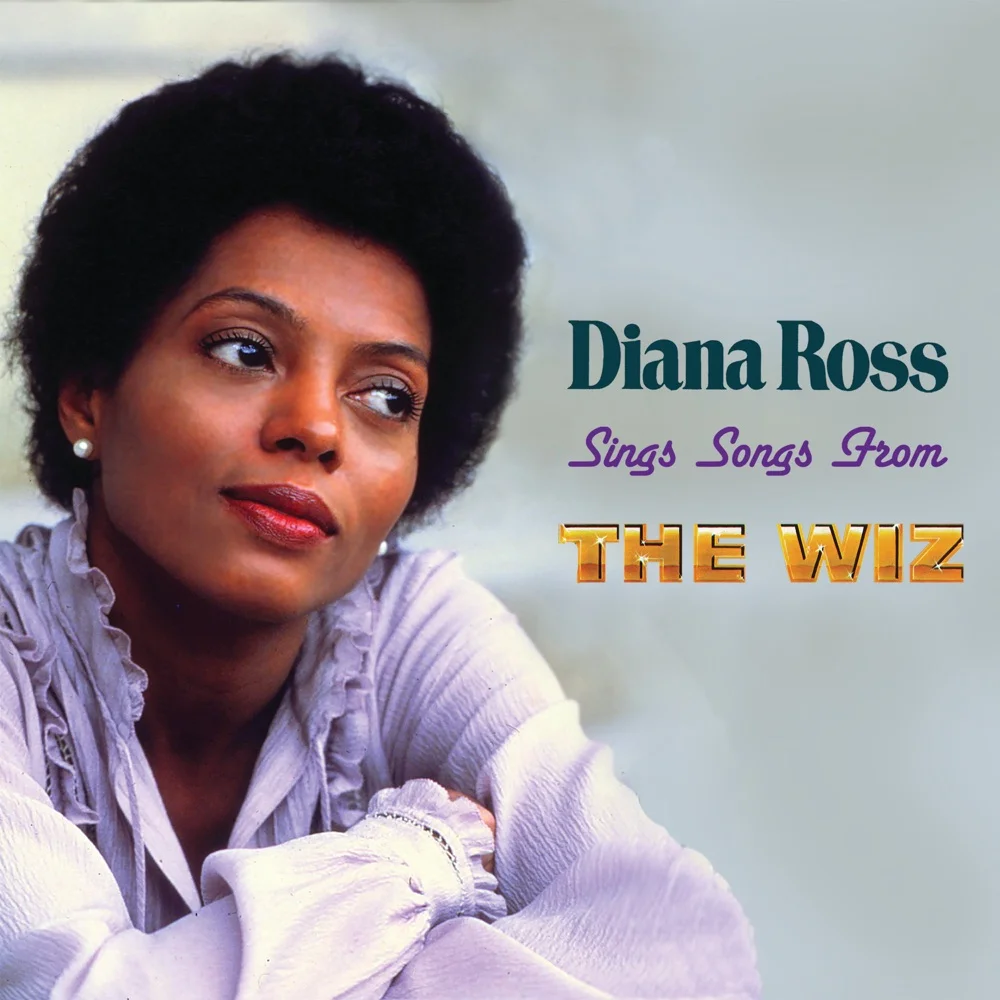
The Soulful Art of Diana Ross
Wonder Wonder Why captures the essence of early 70s soul and pop. Diana Ross is known for a vocal style that is less about raw power and more about precision, tone, and emotional vulnerability. This track demands that you strip back the heavy vibrato and focus on a clean, bright resonance.
To sing this well, you need to master your "mix" voice. The song sits right in the transitional area (passaggio) for many singers, meaning you cannot just belt it in chest voice, nor can you rely entirely on a weak falsetto. It requires a balanced approach.
AI Coach Tip: Watch Your Diction
Diana Ross is famous for her crisp enunciation. Our analysis shows users often slur the words in the verses. Keep your consonants light and your vowels forward in the mouth.
Phase 1: The Verses
The song starts with a gentle, conversational tone. The key here is breath support without tension. You want to sound effortless.
The Trap: Many singers start too breathy, losing pitch accuracy. Ensure your vocal cords are connecting cleanly, even at lower volumes. Think of "sighing" the notes out.
Phase 2: The Emotional Build
As the song progresses towards the chorus, the melody climbs. This is where Diana's signature style shines. She uses a "forward placement"—singing into the mask of the face—to get that bright, piercing quality without straining.
- Phrasing: Pay attention to where she breathes. Breaking a phrase in the wrong spot ruins the flow.
- Dynamics: Don't stay at one volume. Use crescendos (getting louder) and decrescendos to tell the story.
- Tone: Keep the sound "smiling." Lifting your soft palate while keeping a slight smile helps achieve the correct resonance.
Phase 3: The High Notes
The climax of the song reaches up towards C5. Unlike a rock belt, this should feel lighter. If you push too hard, you will sound shouty, which doesn't fit the genre.
Practice sliding up to these notes in a head voice first, then gradually adding a bit of chest resonance (pharyngeal voice) to give it body. This is the secret to the "Motown" sound.
Frequently Asked Questions
The highest sustained note usually sits around C5, depending on ad-libs. It is accessible for most Sopranos and Mezzos.
Yes. It is a fantastic song for learning breath control and emotional expression without the extreme gymnastic requirements of modern pop.
Focus on a brighter tone. Avoid swallowing the sound in the back of your throat. Keep the placement forward, right behind your front teeth.

