
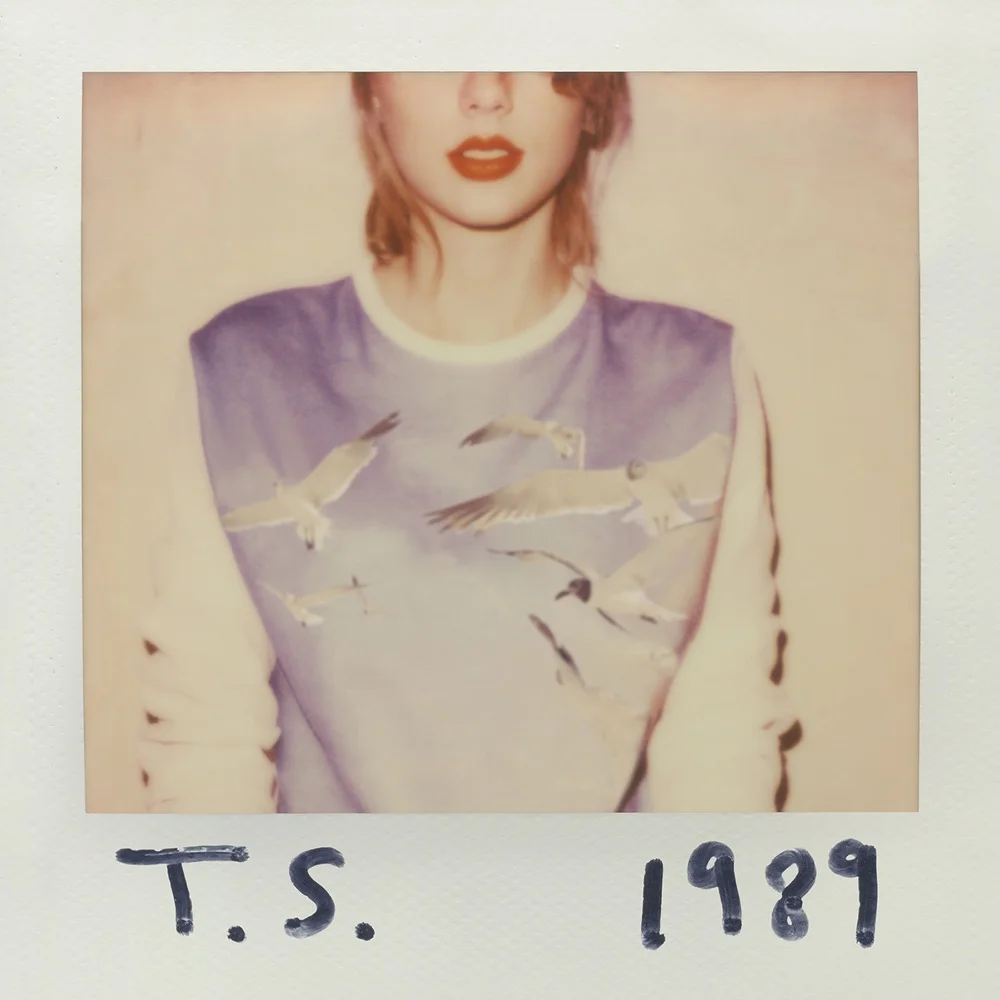
Mastering the "Heartbeat" of 1989
Wildest Dreams offers a masterclass in dynamic contrast. The song is famous for its cinematic, dream-pop atmosphere, driven by a rhythm that mimics a heartbeat. Vocalists must navigate two distinct worlds: the low, breathy verses and the soaring, ethereal chorus.
Taylor Swift utilizes a technique here that relies less on power and more on texture. The challenge isn't hitting the notes with force, but hitting them with the right amount of air and emotion without becoming pitchy.
AI Coach Tip: Airflow Control
To achieve the "sultry" sound in the verses, you need consistent airflow. Many singers close their throat to sound quiet, but you should actually keep the throat open and use more air to create that whispery texture safely.
Phase 1: The Verses (Low Register)
The song begins in the key of Ab Major. The verses sit quite low (down to Eb3), which can be tricky for Sopranos. The delivery should be conversational and relaxed.
The Trap: Pressing your chin down to reach the low notes. This compresses the larynx. Instead, keep your head level and think of the sound resonating in your chest.
Phase 2: The Chorus (The Octave Jump)
When the chorus hits ("Say you'll remember me"), the melody jumps up a full octave. This shift defines the song's emotional arc.
- Head Voice Mix: You shouldn't belt this in full chest voice. Aim for a "heady mix" or a reinforced falsetto to keep the dreamy quality alive (around Eb5).
- Glissando: Taylor often slides slightly between notes here. The AI Coach tracks these stylistic slides to ensure you land on the center of the pitch.
Phase 3: The Bridge and Outro
The bridge builds intensity with the line "You see me in hindsight." Here, you can add a bit more chest resonance (or "twang") to cut through the production, before fading back into the breathy outro.
Pay close attention to the "Ah-ah-ah" vocal runs. These need to be staccato and precise, contrasting with the legato lines of the main melody.
Frequently Asked Questions
The highest primary note is an Eb5, usually sung in a light head voice or falsetto during the chorus and ad-libs.
If the Eb3 is too low, try transposing the song up +2 semitones in the Singing Coach AI app. It's better to sing comfortably than to fry your vocal cords.
Practice "sirens." Slide from your lowest note to your highest note on an "Ooh" sound without breaking. This smooths out the "break" in your voice, which is crucial for the transition into the chorus.