
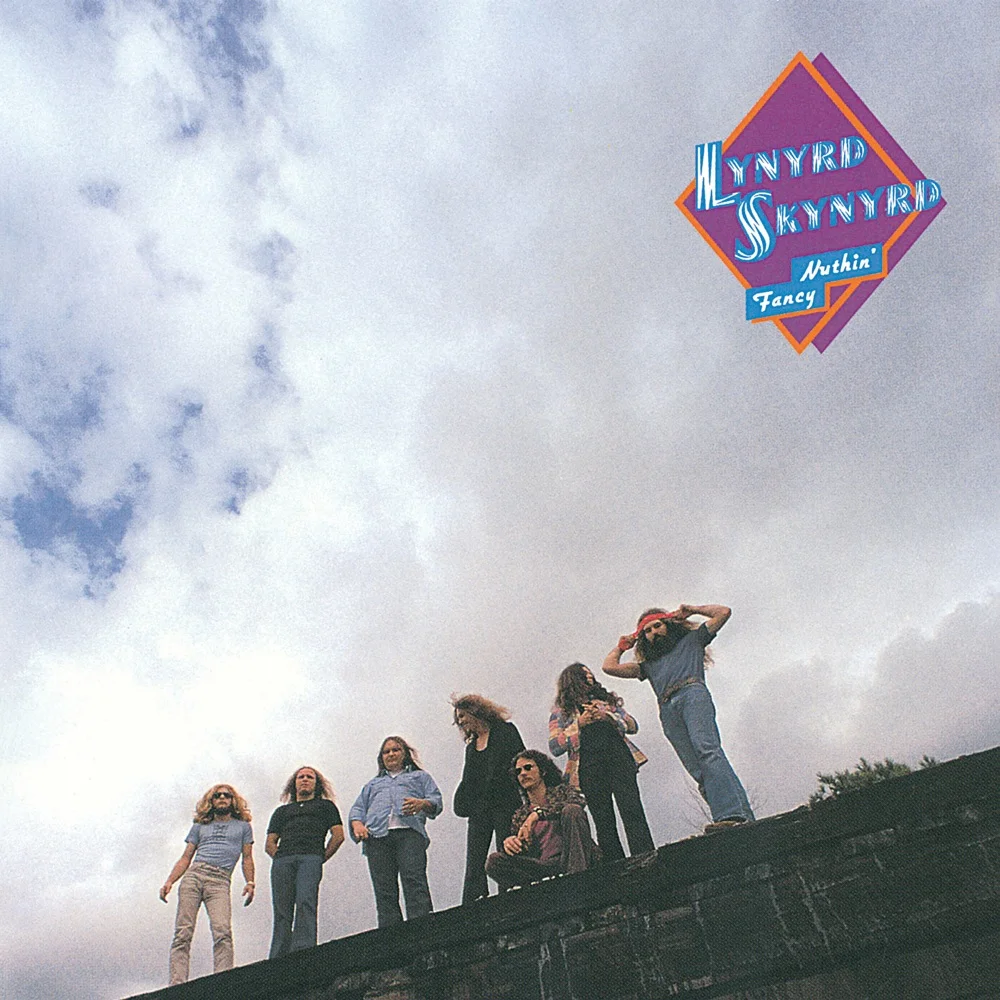
A Masterclass in Southern Grit
From the album Nuthin' Fancy, "Whiskey Rock-A-Roller" is a quintessential Lynyrd Skynyrd track that demands more than just hitting notes—it demands attitude. Ronnie Van Zant’s vocals are famous for their conversational quality, sitting perfectly between singing and speaking.
To sing this well, you need to relax your jaw and focus on the rhythm. The song tells the story of the road, trains, and the rock star lifestyle, so the delivery needs to feel weary yet powerful. Let's break down exactly how to tackle it.
AI Coach Tip: The "Twang" Factor
Don't sing the vowels too cleanly. Van Zant uses a flattened, Southern vowel shape. Instead of a round "I" sound, aim for an "Ah-ee" diphthong to capture that authentic Southern Rock resonance.
Phase 1: The Verse (0:00 - 0:50)
The song kicks off with "Well, I'm a whiskey rock-a-roller." This section sits in the mid-range (G3 area). The key here is not to rush. Van Zant often sings slightly behind the beat (layback) to create a groovy, relaxed feel.
The Trap: Many singers try to "perform" this too hard. Treat the verses as if you are talking to a friend at a bar. Keep the volume at a confident mezzo-forte but save your breath support for the chorus.
Phase 2: The Chorus (0:50 - 1:20)
The energy lifts on "Women, whiskey and miles of traveling." Here, you need to switch to a more resonant chest voice. The melody climbs towards D4 and E4.
- Breath Support: Engage your core before the line starts. If you run out of air, the ends of your phrases will go flat.
- Projection: Imagine throwing your voice to the back of the room. This isn't shouting; it's projection using the hard palate for resonance.
Phase 3: The Bridge & Grit (High Notes)
Towards the end and during the bridge sections, you'll encounter the highest notes (touching G4). This requires "grit" or distortion.
To achieve this safely, do not squeeze your throat. Instead, use "twang" (narrowing the epiglottis) to create a piercing sound that mimics distortion without damaging your vocal cords. Think of a "nyah-nyah" playground sound to find the placement, then darken the vowel.
Frequently Asked Questions
The lead vocal hits a G4 in chest voice during the louder belts. The background harmonies may go higher, but the core melody stays within a Baritone-friendly range.
Yes. Tenors will find the high notes easy but might need to work on adding "weight" to their lower range to match Van Zant's tone.
Rasp should come from false cord engagement or compression, not from grinding your vocal cords together. Use the Singing Coach AI app to monitor your vocal strain levels in real-time.