
The Art of Reciprocity
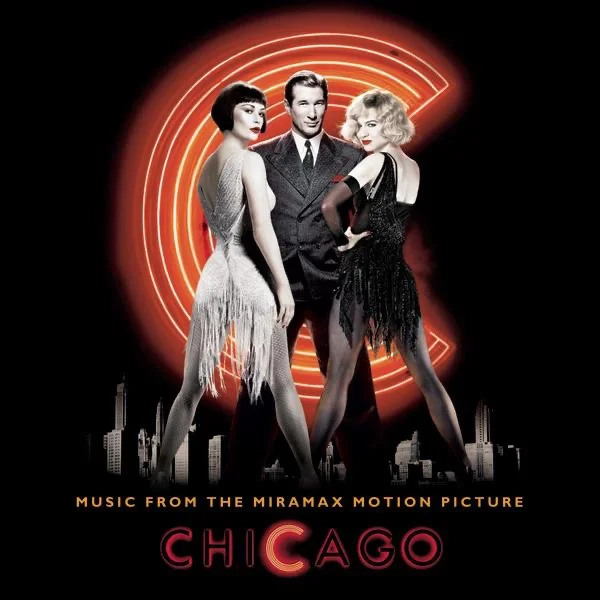
"When You’re Good to Mama" isn't just a song; it's a character study in power and seduction. Sung by Matron "Mama" Morton in the musical Chicago, Queen Latifah's rendition is the gold standard for chest-voice belting and vaudeville swagger. The song relies heavily on a solid lower register and the ability to project personality through tone.
To sing this well, you need to abandon the "pretty" voice. This track demands grit, a strong sense of rhythm, and the ability to slide into notes with confidence. Let's break down exactly how to tackle it.
AI Coach Tip: Add the "Growl"
Many users sound too polite on this track. To get Queen Latifah's sound, try adding a slight vocal fry or "growl" at the beginning of phrases like "Ask any of the chickies in my pen." It adds the necessary authority.
Phase 1: The Low End (E3 - G3)
The song sits comfortably in the Alto range, but the verses dip down to E3/F#3. For many singers, these notes can sound breathy or weak. The key here is chest resonance.
The Fix: Place your hand on your chest while singing the opening lines. You should feel a strong vibration. If you don't, you are likely using too much air. Speak the lyrics in your lowest, most commanding voice first, then add pitch to it.
Phase 2: The Swing & Attitude
This is a jazz number. If you sing perfectly on the beat, it will sound robotic. You need to "back-phrase"—this means delaying your entry slightly to sit behind the beat. It creates that relaxed, confident "swagger" that Mama Morton is famous for.
- Diction: Consonants should be crisp, but vowels can be chewed.
- Dynamics: Swell into the long notes. Don't hit them at 100% volume instantly; grow into them.
Phase 3: The Money Note (C#5 Belt)
The finale features a massive sustained belt on the final "Mama." Depending on the version, this hits a C5 or C#5. This is a pure chest belt.
To sustain this without strain, engage your core muscles as if you are about to lift a heavy object. Keep your tongue flat in your mouth to open the back of the throat. This allows the sound to project forward without "choking" the high note.
Frequently Asked Questions
In Queen Latifah's version, the highest full chest belt is a C#5 (on the final note), though there are ad-libs that may vary.
It helps, as the song spends a lot of time in the E3-A3 range. However, Sopranos with a strong chest mix can definitely sing this—it just might feel very low in the verses.
Focus on "twang" rather than pushing air. Constricting your throat to make rasp will hurt you. Use vocal fry exercises in the app to find a safe distortion placement.