
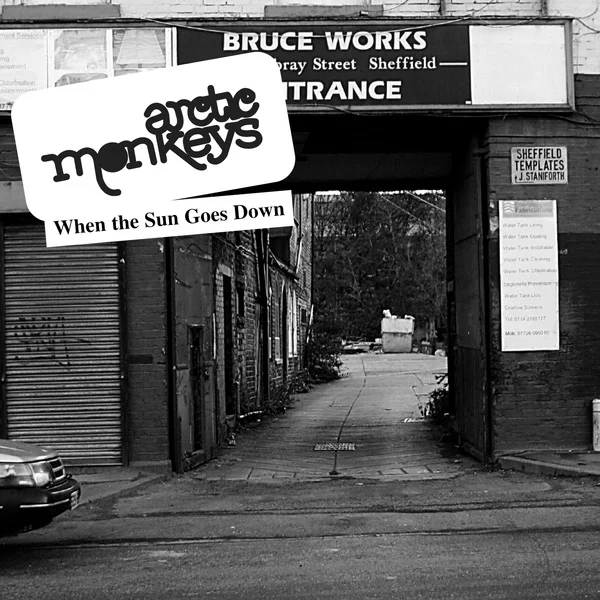
The Sheffield Indie Anthem
"When the Sun Goes Down" is a masterclass in dynamic contrast. Featured on the record-breaking debut album Whatever People Say I Am, That's What I'm Not, this song tells the gritty story of a "scummy man" in the Neepsend district of Sheffield.
Vincally, Alex Turner (who was only 19 at the time) delivers a performance that is less about perfect pitch and more about attitude, rhythm, and accent. The song is split into two distinct halves: a slow, melodic introduction and a frantic, punk-rock explosion.
AI Coach Tip: Watch Your Vowels
To capture the authentic feel of the song, you need to flatten your vowels. Don't sing "love" with an American "uh" sound; keep it closer to a short "o". The AI measures your formant frequencies to check for this stylistic accuracy.
Phase 1: The Crooner Intro (0:00 - 0:45)
The song opens with just a clean guitar and vocals. This section is sung in B Major. It requires a conversational, almost cheeky tone. You aren't "performing" here; you are gossiping.
The Trap: Many singers rush this part because they are anticipating the fast section. Force yourself to sit back on the beat. Focus on the lyrics: "So who's that girl there?" should sound inquisitive, not melodic.
Phase 2: The Explosion (0:45 - End)
The drums kick in, the distortion ramps up, and the tempo nearly doubles. You need to switch your breathing technique immediately. Short, sharp inhalations are the only way to survive the verses.
- Rhythmic Precision: Turner treats his voice like a percussion instrument here. The line "And what a scummy man" must land exactly on the snare hits.
- The Belt: The chorus pushes up to F#4. This isn't a head voice note; it needs to be belted in chest voice to match the energy of the guitars.
- Stamina: The outro repeats the main riff relentlessly. Keep your diaphragm engaged to prevent your voice from dropping in pitch due to fatigue.
Phase 3: Navigating the Accent
Singing in a Sheffield accent isn't just an aesthetic choice; it actually helps with the speed of the song. By closing down vowels and dropping consonants (glottal stops), you can articulate faster than you could with Received Pronunciation or General American English.
Listen closely to how Turner pronounces "something" as "summat" and "nothing" as "nowt". These phonetic shortcuts are key to fitting the lyrics into the measure.
Frequently Asked Questions
The highest significant note is an F#4, typically belted during the chorus and the bridge sections.
To score high on "Style" in the app, yes. The vowel shapes dictate the tone color. However, you can sing it in your own accent for pitch practice, but it may lose the characteristic percussive feel.
Practice the transition at 0:45 separately. The key is to take a massive breath right before the drums kick in, as you won't have time to breathe deeply once the fast verse starts.