
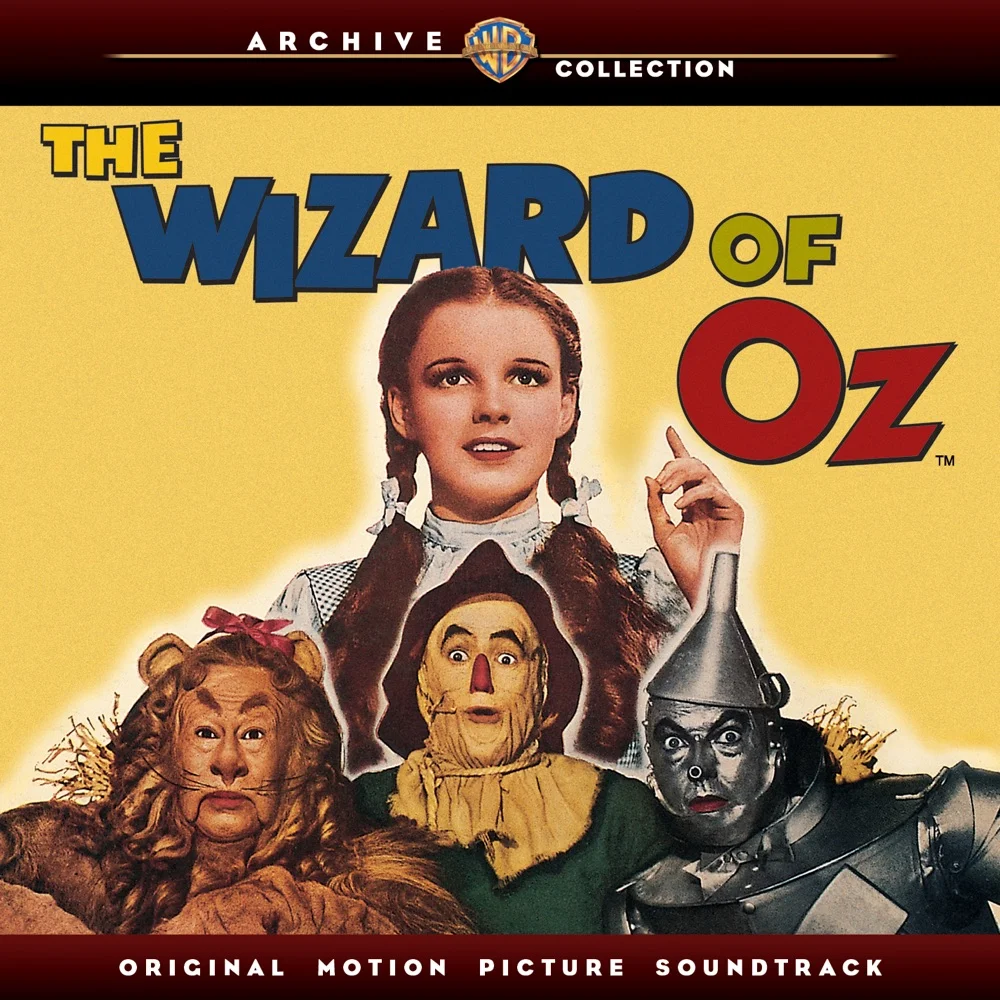
A Cinematic Classic for the Whole Ensemble
Few songs are as instantly recognizable as "We’re Off to See the Wizard." It is the recurring anthem of The Wizard of Oz, sung by Judy Garland (Dorothy) and Ray Bolger (The Scarecrow), along with the rest of the main cast. While the melody is simple and catchy, singing it with the correct style requires energy, precision, and character work.
The song is a march, traditionally in 6/8 time (giving it that skipping, triplet feel). To sound authentic, you cannot sing this like a ballad; you must sing it with a "vertical" rhythm, emphasizing the downbeats to mimic the walking pace of the characters.
AI Coach Tip: Watch Your Diction
The phrase "Because, because, because, because, because" is a tongue twister at tempo. Our analysis shows users often slur these words. Use the tip of your tongue and teeth to articulate crisp 'B' and 'K' sounds.
Phase 1: The Rhythm & Bounce
The core of this song is the "skip." The time signature drives the energy. Avoid dragging the tempo. You want to feel a bounce in your step as you sing. If you sing it too legato (smoothly), it loses its charm.
Technique: Keep your diaphragm active and use short, energetic bursts of air. Think of the vocal line as "bouncing a ball" rather than "drawing a line."
Phase 2: The Bright Tone
Judy Garland’s performance is famous for her "bright" resonance. She places the sound forward in the "mask" (the front of the face/nose area). This is essential for Musical Theatre styling.
- Smile while singing: Literally lifting your cheeks helps brighten the tone and raise the soft palate.
- Forward placement: Aim the sound towards your upper teeth. This helps projection without needing to shout.
Phase 3: Character Voices
If you are singing the ensemble parts or Ray Bolger's Scarecrow lines, character is key. The Scarecrow sings with a looser, slightly more "floppy" jaw tension compared to Dorothy's precise delivery.
Don't be afraid to act! This song is about hope and adventure. Your facial expressions will actually change the shape of your vocal tract and improve the "color" of your voice to match the movie style.
Frequently Asked Questions
The melody typically peaks at an E5 for the higher harmony parts, though the main melody sits comfortably in the middle range (C4 to C5).
To match the original style of the 1939 film, a Mid-Atlantic or Standard American accent is preferred. Focus on clear, open vowels.
It acts as both! In the movie, it starts as a duet between Dorothy and Scarecrow, then becomes a trio, and finally a quartet. You can practice any specific part using the Singing Coach AI track separation.