
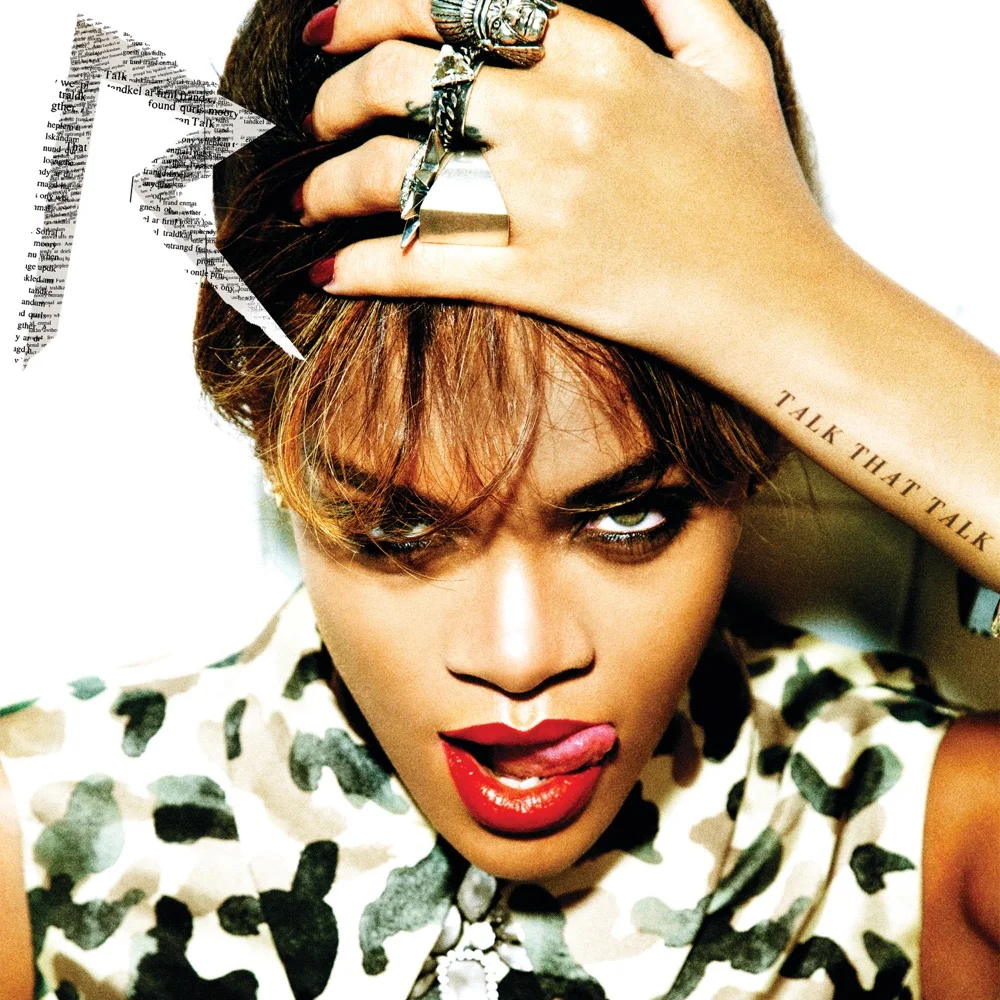
Mastering the "We Found Love" Energy
Released in 2011 featuring Calvin Harris, We Found Love is a defining track of the Electro House era. Unlike a complex ballad, the challenge here isn't a wide octave jump—it is the relentless energy and specific tone required to carry a repetitive melody without becoming monotonous.
Rihanna's performance is iconic because she balances a vulnerable, breathy quality in the verses with a piercing, chest-dominant mix in the chorus. You need to sound effortless while singing over a very heavy production.
AI Coach Tip: Watch Your Breath
Because the tempo is 128 BPM, singers often rush their inhalation, leading to gasping sounds. Practice "sipping" the air quickly between phrases rather than taking large gulps. This keeps your vocal cords hydrated and your timing tight.
Phase 1: The Verses (Yellow Diamonds...)
The song opens in the lower part of the register (approx C#3 to G#3). The key here is texture. Rihanna uses a slightly airy tone, almost bordering on vocal fry at the very bottom.
The Trap: Don't sing this too cleanly or operatically. It needs to sound conversational and intimate. Keep the volume at a mezzo-piano and focus on the rhythmic placement of words like "light" and "side."
Phase 2: The Build-Up
As the synthesizer rises, so must your intensity. "Turn away 'cause I need you more..." sits in a comfortable mid-range, but you need to increase your vocal compression. This means closing the vocal cords more firmly to create a buzzier sound that cuts through the building noise.
Phase 3: The Chorus Belt
The hook "We found love in a hopeless place" is repeated four times. The notes center around C#5. This is the fatigue zone. Many singers start flat by the third repetition because they run out of breath support.
To hit the C#5 repeatedly without strain:
- Placement: direct the sound toward your nose/mask (forward placement).
- Vowel Mod: Modify the word "Place" slightly towards "Pleh-ce" to keep the throat open.
- Support: Engage your core muscles on the word "Found" to give the phrase momentum.
Frequently Asked Questions
The core melody hits a sustained C#5 in the chorus. However, in live versions and ad-libs, Rihanna often pushes higher into the fifth octave.
Rihanna is known for her "twang." Try making a nagging "nye-nye" sound to find that nasal resonance, then apply that placement to the lyrics. It adds the necessary bite to cut through the electronic beat.
Yes! The song stays relatively low in the verses (C#3), which is great for Altos. If the Chorus (C#5) is too high to belt, you can switch to a head voice mix or transpose the song down -2 semitones in the app.