
Mastering the Indie Folk Aesthetic
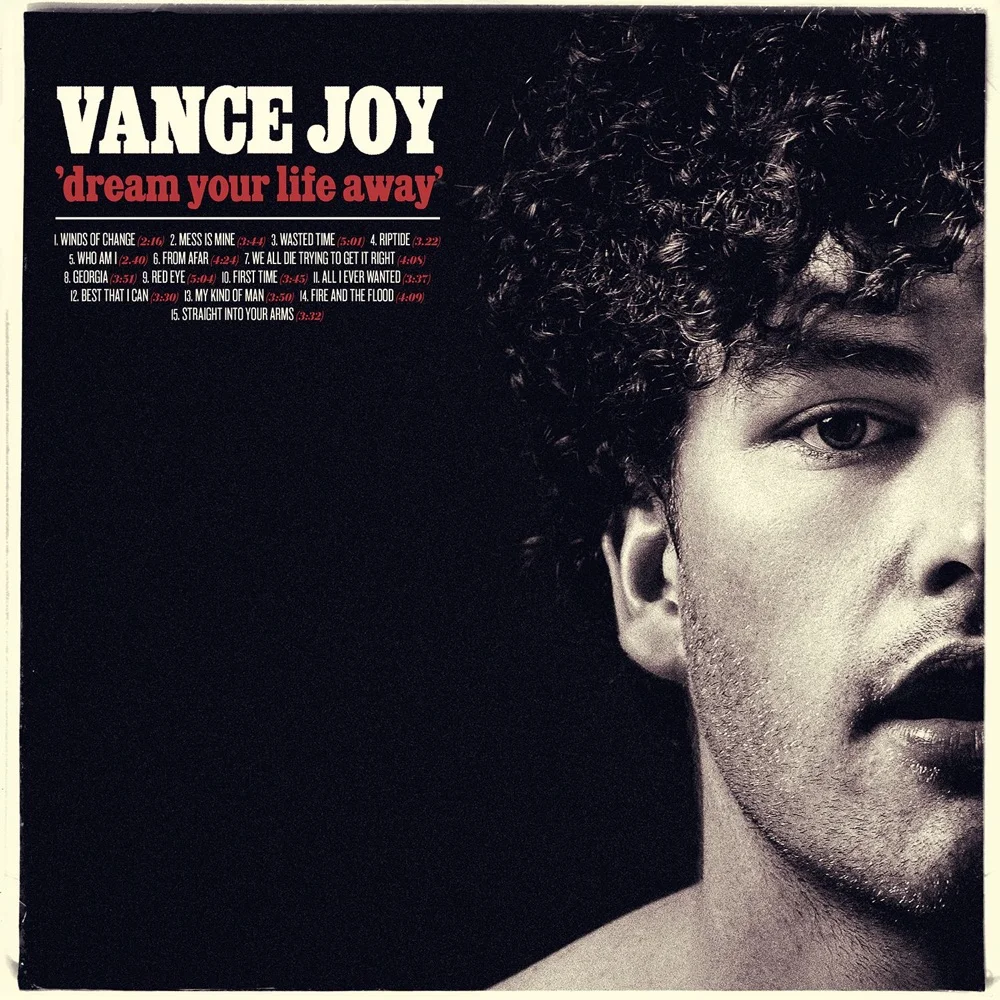
Released on his debut album Dream Your Life Away, Vance Joy's "Wasted Time" is a masterclass in modern indie-folk vocals. Unlike the theatrical power required for rock, this song demands intimacy, rhythmic precision, and a specific "unpolished" charm.
To sing this authentic to the artist's style, you need to abandon classical perfection. It requires a conversational tone that sits forward in the mouth, mixed with airy falsetto breaks that give the song its emotional vulnerability.
AI Coach Tip: Relax Your Diction
Vance Joy often softens his consonants. If you enunciate too clearly, it will sound like musical theater. Try to blend the ends of words into the start of the next for a smoother flow.
Phase 1: The Verse (Conversational Tone)
The song starts in the lower-middle part of the range. The melody is repetitive and rhythmic, locking in with the guitar strumming pattern. The challenge here is not pitch, but "groove."
The Trap: Many singers drag behind the beat. Because the guitar is driving the song, your vocals must be percussive. Keep your breath support steady but light.
Phase 2: The Chorus (Projecting without Strain)
As the song builds, the melody lifts. When singing the line "You know I'm no good at this," you need to add volume, but avoid shouting. Use a "mixed voice" technique—engage your diaphragm but keep the sound resonance in your nasal mask area.
This creates that bright, piercing indie tone that cuts through the acoustic guitar without damaging your vocal cords.
Phase 3: The Falsetto Flips
Vance Joy creates texture by flipping into his head voice (falsetto) for short moments. This happens frequently on the "Ooh" sounds and higher melodic jumps.
To practice this, work on your "siren" exercises. Slide from your lowest note to your highest note on an "NG" sound (like the end of the word "Sing"). This helps smooth out the break between your chest voice and head voice, preventing cracks when performing the song live.
Frequently Asked Questions
The highest note usually hit in the lead melody involves a B4 (falsetto/head voice). The chest voice sits comfortably below G#4.
Yes. The range is manageable for most male voices (Tenors/Baritones). The main challenge is mastering the rhythm and the stylistic vibrato.
Vance Joy has a natural, fast vibrato. Don't force it with your jaw. Instead, focus on consistent airflow and let the natural quiver of your voice come through at the end of phrases.