
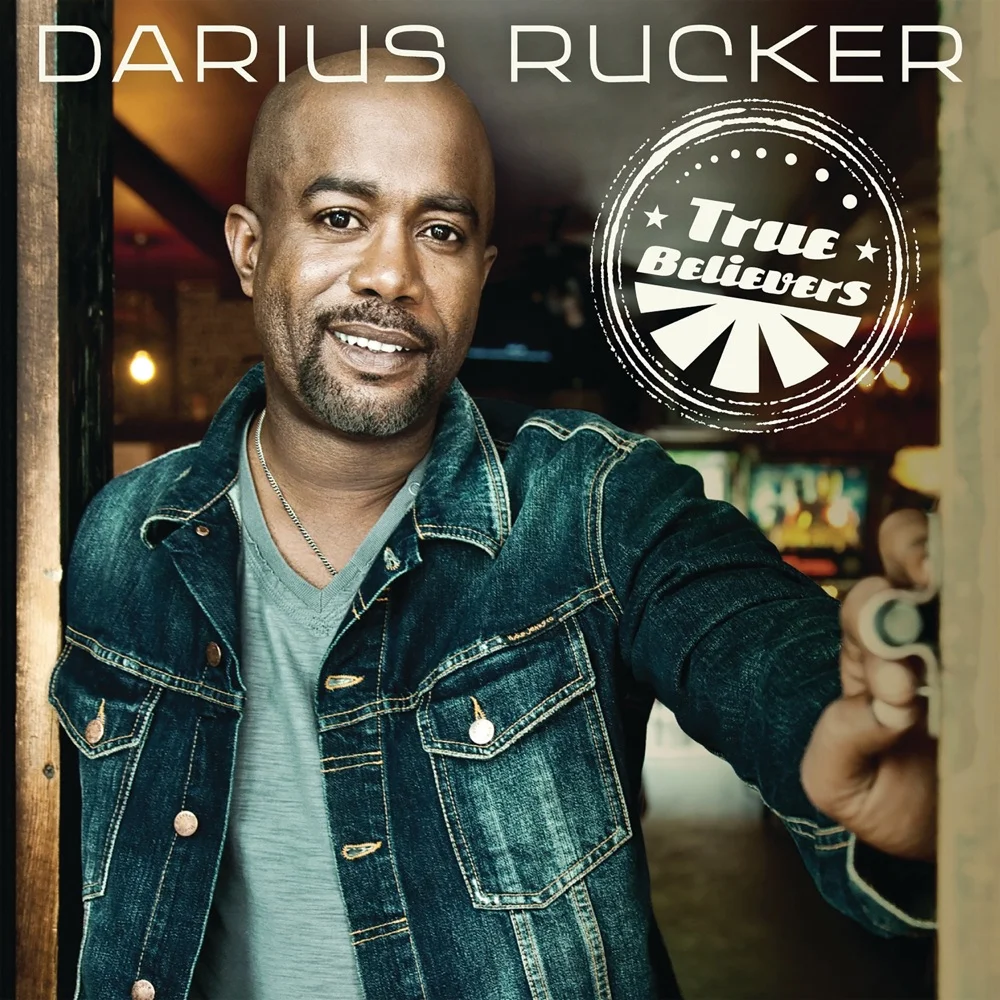
The Ultimate Country Sing-Along
Started by Bob Dylan and finished by Old Crow Medicine Show, Darius Rucker's version of Wagon Wheel brought this song to massive mainstream success. It is a masterclass in relaxed, resonant baritone singing. Unlike high-strain pop ballads, this song requires a warm tone and great storytelling ability.
To sing this like Darius, you need to be comfortable in your lower register (chest voice) and maintain a steady, rolling rhythm without running out of breath during the long verses.
AI Coach Tip: The "Country Twang"
To get that authentic country sound, don't over-enunciate. Relax your jaw and allow the vowels to sit slightly further back in the throat while keeping the "twang" (brightness) in the nose. Our app analyzes your formant frequencies to check for this genre-specific tone.
Phase 1: The Storytelling Verses (A2 - C#4)
The verses are wordy ("Heading down south to the land of the pines..."). The pitch sits low, starting around A2. The challenge here isn't range; it's clarity and rhythm.
The Trap: Many singers "swallow" the low notes, making them inaudible. Keep your chest vibration strong. Imagine speaking to someone across a dinner table—don't whisper, but don't shout.
Phase 2: The Pre-Chorus Climb
As the song builds ("I made it down the coast in seventeen hours"), the melody ascends. You need to increase your volume slightly, but keep the tone connected to your chest voice. Do not flip into head voice here; it needs to sound grounded.
Phase 3: The Anthemic Chorus (D4 - F#4)
The chorus ("Rock me mama like a wagon wheel") is where the energy peaks. The highest note you will hit is an F#4. For a Tenor, this is easy. For a Baritone, this is the upper "break" point.
To hit the F#4 comfortably:
- Support: Engage your core muscles.
- Vowel Mod: Modify "Wheel" slightly towards "Whale" to open the throat.
- Placement: Think of the sound going out of your forehead to avoid straining the neck.
Frequently Asked Questions
Darius Rucker's version spans from a low A2 to a belted F#4. This fits comfortably within the standard Baritone range.
It is considered medium difficulty. While the range isn't extreme, the verses are fast-paced, requiring good breath control and rhythmic precision.
The song is in A Major. Guitar players often use a Capo on the 2nd fret and play G shapes to achieve the specific acoustic ring of the track.