
The Dawn of the MTV Era
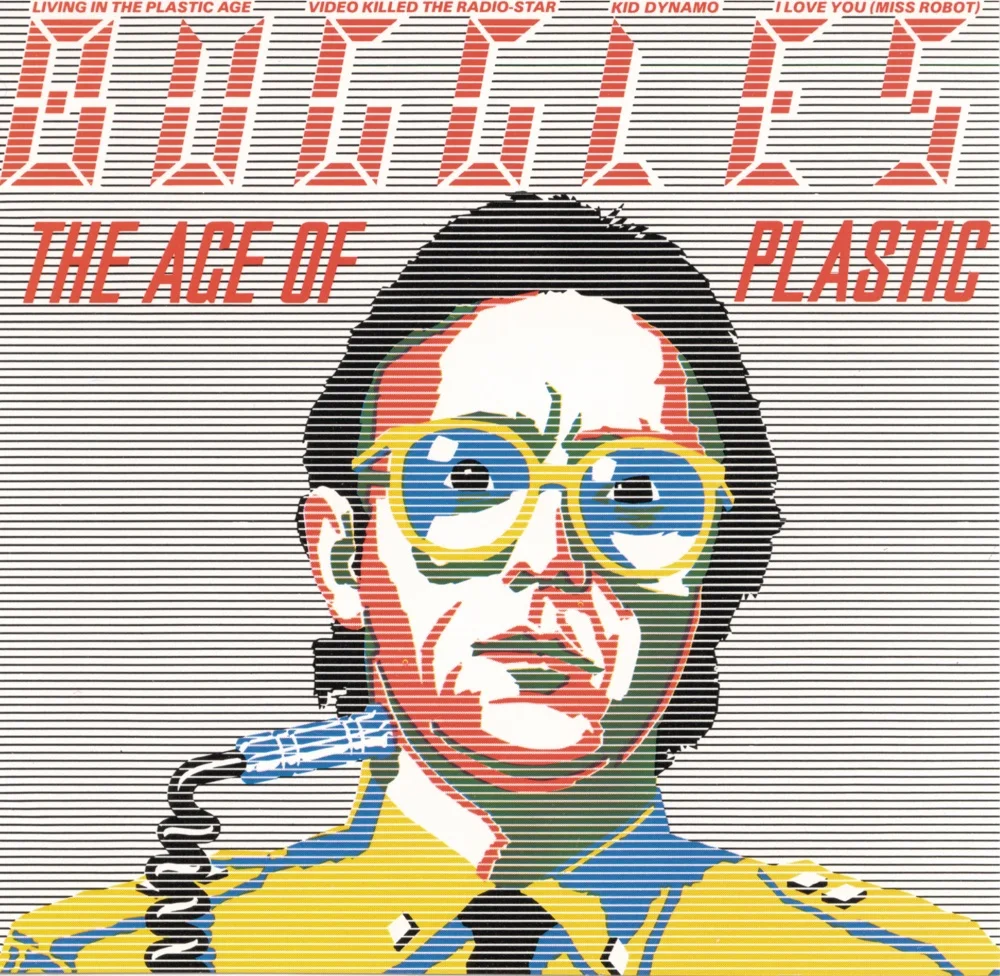
Famous for being the very first music video aired on MTV, "Video Killed the Radio Star" by The Buggles is a masterclass in New Wave production. Released in 1979 on the album The Age of Plastic, it combines nostalgic lyrics with futuristic synth-pop sounds. While the melody seems simple, singing it authentically requires mastering a very specific tonal quality.
Trevor Horn's vocal delivery is dry, rhythmic, and deliberately "thin" to contrast with the lush orchestration. To score high on this track, you need to focus less on power and more on placement and timing.
AI Coach Tip: The "Telephone" Voice
The verses are sung to sound like they are coming through a small AM radio. To mimic this without effects, place your voice forward in the "mask" (nasal resonance) and reduce your breathiness. Think of a sharp, bright, biting tone.
Phase 1: The Verses (D Major)
The song begins in D Major. The opening lines ("I heard you on the wireless back in '52") are sung in a near-monotone fashion, hovering around the tonic and dominant notes. The challenge here is diction.
The Trap: Singers often drag the tempo. The Buggles' production is mechanically precise. Keep your consonants sharp and your vowels short to lock in with the synthesizer pulse.
Phase 2: The Pre-Chorus Hook
The famous "Oh-a-oh" section is where melody takes over. Pitch accuracy is critical here. It acts as a call-and-response with the female backing vocals. Ensure you are hitting the center of the pitch immediately rather than sliding up to it.
Phase 3: The Chorus Key Change
This is the most technically interesting part of the song. The chorus ("Video killed the radio star") modulates down a semitone to D♭ Major (or C# Major). This shift gives the song its slightly dreamy, detached feeling.
If you have perfect pitch, this might feel disorienting. If you rely on relative pitch, focus on the new "home" note. The melody sits comfortably in a mid-range chest voice, but maintain that forward, bright placement to cut through the mix.
Frequently Asked Questions
Trevor Horn used heavy EQ filtering (High Pass and Low Pass filters) to remove the bass and extreme treble, simulating a telephone or old radio frequency response.
The high harmonies were provided by Linda Jardim and Debi Doss. If you are singing lead, you generally stick to the lower male vocal line, but you can toggle the app to sing the harmony parts if you prefer.
It is actually a great song for beginners because the range is limited and it doesn't require advanced breath support like a power ballad. The main challenge is stylistic accuracy.