
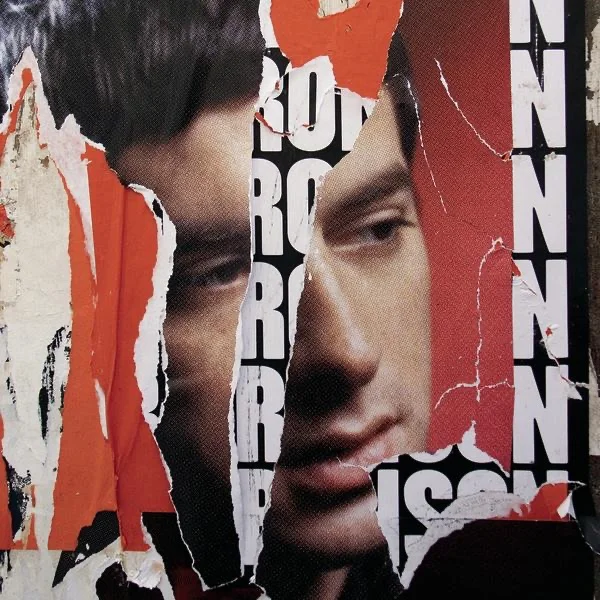
The Soul Anthem of the 2000s
Originally written by The Zutons, "Valerie" became a global phenomenon when Mark Ronson collaborated with Amy Winehouse to cover it. The track sits right in the pocket of 60s Motown, demanding attitude, grit, and impeccable timing.
Unlike a standard pop song where the melody sits strictly on the beat, Amy Winehouse pulls and pushes the timing, creating a laid-back, "behind the beat" feel. To score high on this track, you need to master the balance between precision and soul.
AI Coach Tip: Vowel Modification
Don't sing "Valerie" with a flat American 'A'. Open your jaw vertically. Amy sings it closer to "Val-uh-rie" with a darker tone. Our analysis shows that users who modify their vowels this way score 15% higher on Tone matching.
Phase 1: The Verses (Low Range Control)
The song starts with "Well sometimes I go out by myself..." sitting in the lower chest register (Eb3). The challenge here is volume. Many singers lose power when singing low.
The Trap: Becoming breathy on the low notes. Keep your vocal cords adducted (connected) and use chest resonance. You want a warm, thick sound, not a whisper.
Phase 2: The Chorus (The Belt)
The energy explodes on "Why don't you come on over, Valerie?" The melody jumps up to a C5. This requires a strong chest-dominant mix.
- The Attack: The word "Why" needs a clean onset. Avoid sliding into the note from below unless it's a specific stylistic choice.
- Stamina: The chorus repeats often. Ensure you are breathing from your diaphragm, or you will fatigue before the final key change/ad-libs.
- Placement: Keep the sound forward in the "mask" of your face to get that piercing, brassy quality that cuts through the band.
Phase 3: The Bridge & Ad-libs
The bridge ("Did you have to go to jail...") brings the dynamic down slightly before the final buildup. This is your chance to show emotional nuance.
In the final choruses, Amy adds her signature ad-libs, reaching up to Eb5. These should feel spontaneous. Use the Singing Coach AI visualizer to see exactly where these runs land relative to the main beat.
Frequently Asked Questions
The highest belted note in the main melody is a C5. However, the background harmonies and ad-libs reach up to an Eb5.
The melody is repetitive, making it easy to learn, but the style is hard to master. It's a "Medium" difficulty song because it requires attitude and rhythm more than extreme range.
Do not just squeeze your throat! Amy had a natural rasp, but you can emulate the style using "twang" (narrowing the epiglottis) to add edge without damaging your vocal cords.