
Mastering Neo-Soul Vocals
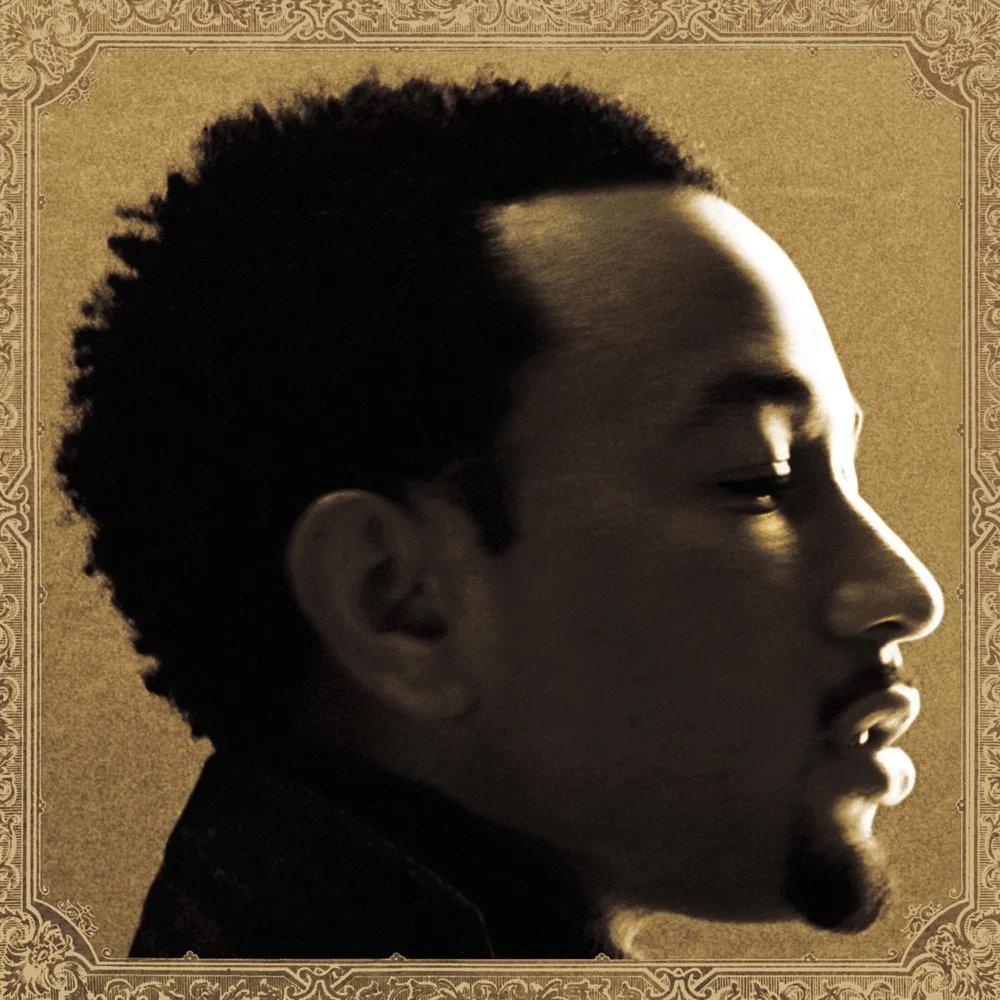
Released on his debut album Get Lifted (2004), "Used to Love U" introduced the world to John Legend's distinct blend of gospel grit and smooth R&B. Produced by Kanye West, the track relies heavily on a relaxed, behind-the-beat groove. Unlike power ballads that require constant belting, this song demands finesse, texture, and storytelling.
To sing this well, you need to master the art of the "pocket." The vocals sit comfortably in the mid-range but require quick transitions into head voice for emphasis. Let's break down the technique.
AI Coach Tip: The "Lay-Back"
Rookies rush the beat. Our analysis shows high scorers sing slightly behind the snare drum. Relax your phrasing. If you are perfectly on the grid, it will sound robotic.
Phase 1: The Verses (Conversational Tone)
The verses are sung in a comfortable chest register (approx. C3 to F4). The goal here is to sound like you are having a conversation. John Legend uses a slightly raspy texture here.
The Trap: Because the range is easy, singers often drop their energy. Keep your breath support active even at lower volumes to maintain that warm, resonant tone without sounding muddy.
Phase 2: The Hook (Repetition & Dynamics)
The chorus "I used to love u" repeats several times. If you sing it the same way every time, the audience will get bored. Use dynamics to build interest.
- First Chorus: Keep it smooth and relatively straight.
- Second Chorus: Add slight vocal fries at the end of phrases for emotion.
- Final Chorus: This is where you open up the volume and add improvisation.
Phase 3: The Bridge & Ad-libs
The bridge introduces higher sustained notes and melisma (vocal runs). John Legend often flips into a reinforced falsetto here. The key to his style is the slide—gliding between notes rather than hitting them staccato.
When attempting the runs, think of them as a staircase. Don't just smear the sound; visualize each note in the scale (usually C Minor Pentatonic) to keep the run clean but soulful.
Frequently Asked Questions
In full chest voice, John hits around a Bb4/C5. However, the ad-libs and harmonies venture higher into the 5th octave using falsetto.
Not necessarily. While John Legend is a Tenor, the melody is very accessible to Baritones. The lowest notes are comfortable, and the high notes can be taken in falsetto if the belt is too high.
Don't squeeze your throat! The rasp should come from relaxed vocal fry or "creak" at the onset of the note, not from pushing air through a tight larynx.