
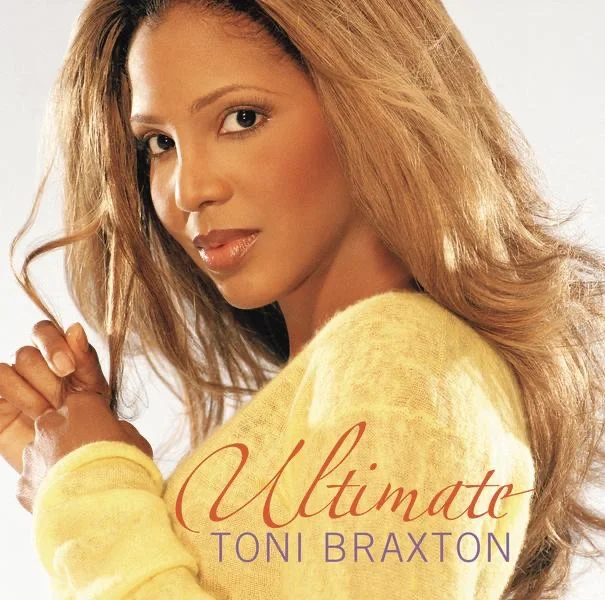
The Ultimate Contralto Anthem
Un-Break My Heart is one of the most commercially successful singles in history, and for vocalists, it represents the gold standard for low-range control. Written by Diane Warren for Toni Braxton, this power ballad demands a vocal texture that is rich, smoky, and incredibly resonant.
Unlike most pop songs that sit comfortably in the middle register, this track forces you to explore the very bottom of the female range before exploding into a powerful belt. It’s a workout for your breath support and your emotional storytelling.
AI Coach Tip: Relax the Jaw
When hitting the low D3 in the verse ("Don't leave me in all this pain"), many singers instinctively press their chin down. This constricts the larynx. Keep your head neutral and your jaw loose to let the low notes resonate in your chest.
Phase 1: The Sultry Verses (0:00 - 1:15)
The song begins in B Minor. The opening line sits right at the bottom of the tessitura. The challenge here isn't power; it's presence. You need to be audible without sounding like you are growling.
The Technique: Use a high ratio of air to sound. Think of "sighing" into the notes. If your voice fries slightly, that works stylistically for this genre, but ensure you have enough breath support to sustain the phrase.
Phase 2: The Pre-Chorus Build (1:15 - 1:45)
The melody begins to climb. As you sing "Come back and bring back my smile," you must transition from that chesty low voice into a mixed voice. This bridge is crucial for setting up the explosion of the chorus.
- Dynamics: Start mezzo-piano and crescendo to forte.
- Placement: Move the resonance from your chest up into your "mask" (the front of your face) to get ready for the belt.
Phase 3: The Power Belt Chorus (1:45 - End)
Here is where the song becomes a powerhouse anthem. The line "Un-break my heart" requires a confident, full-throated belt. The highest notes touch D#5 (in later modulations), requiring significant diaphragm engagement.
Avoid shouting. To maintain the "soul" sound, keep the vowel shapes slightly darker (more "Ah" than "Aa"). This rounder sound mimics Toni's signature tone and protects your vocal cords from fatigue during the repeated choruses.
Frequently Asked Questions
The lowest note is a D3. This occurs in the verses and is exceptionally low for a standard pop soprano, fitting a Contralto voice type perfectly.
Yes, but the verses will be quiet and breathy. Sopranos often choose to transpose the song up +2 or +3 semitones in the Singing Coach AI app to make the verses more audible.
Toni Braxton has incredible lung capacity. Practice "intercostal breathing"—expanding your ribs sideways—and conserve air at the start of the phrase so you have enough for the vibrato at the end.