
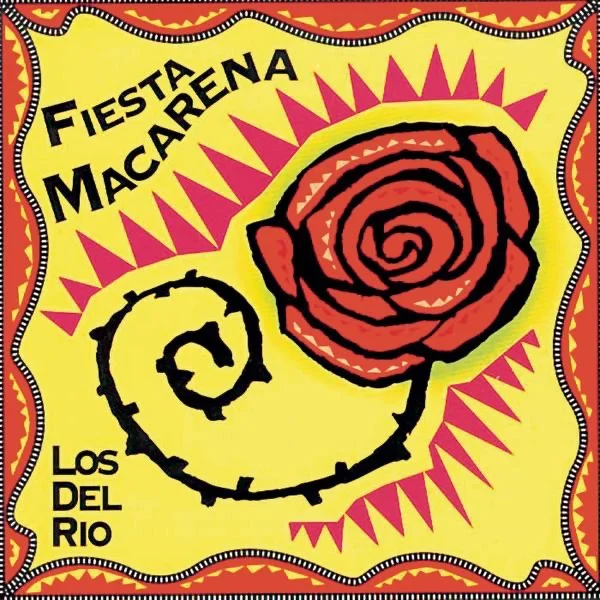
Bringing the Andalusian Spirit
Un Ole by Los Del Rio captures the vibrant essence of southern Spain. While the duo is globally famous for the Macarena, this track exemplifies their mastery of the Sevillanas and Rumba pop style. It is not just about hitting notes; it is about conveying joy, rhythm, and communal celebration.
To sing this correctly, you need to abandon the breathy pop style often heard on the radio. This song requires a forward, chest-heavy resonance and a locked-in sense of rhythm. Let's break down how to capture that festive sound.
AI Coach Tip: Watch Your Diction
Spanish vowels are pure (A, E, I, O, U). Avoid diphthongs (gliding between sounds) typical of English speakers. Our analysis shows that crisp vowel pronunciation significantly improves rhythm scores.
Phase 1: The Rhythm (Compás)
The backbone of "Un Ole" is the rhythm. The vocals act almost like a percussion instrument. You cannot drag behind the beat.
The Trap: Many singers try to make the verses too melodic or legato (smooth). Instead, keep the delivery punchy and staccato. Think of your voice dancing on top of the guitar strums.
Phase 2: The Energy and Projection
Los Del Rio sings with what is often called "full voice." There is very little falsetto or head voice used here. The range stays within a comfortable mid-range for Baritones (E3 to G4), but the volume needs to be consistent.
- The "Ole": When hitting the titular refrain, use a slight glottal attack to give the word definition. It should feel like a shout of encouragement.
- Breath Support: Because the lines are rhythmic and continuous, you need deep diaphragmatic support to maintain the energy without getting winded.
Phase 3: The Group Dynamic
This song is meant to sound like a party. In the studio, Los Del Rio often double-tracks vocals or sings in unison to create a "chorus" effect. When recording in the Singing Coach AI app, focus on matching the pitch center exactly, as any deviation becomes obvious when emulating a unison sound.
Frequently Asked Questions
The song sits comfortably in a Baritone range, spanning roughly E3 to G4. It rarely goes into the high tenor range, relying more on tone than height.
While helpful, you can learn phonetically. The lyrics are repetitive and rhythmic, making them easier to memorize even for non-native speakers.
Be careful not to force it from your throat. The grit comes from proper cord closure and air pressure. Practice singing clearly first; the texture comes with confidence and volume.