The Art of the Drop
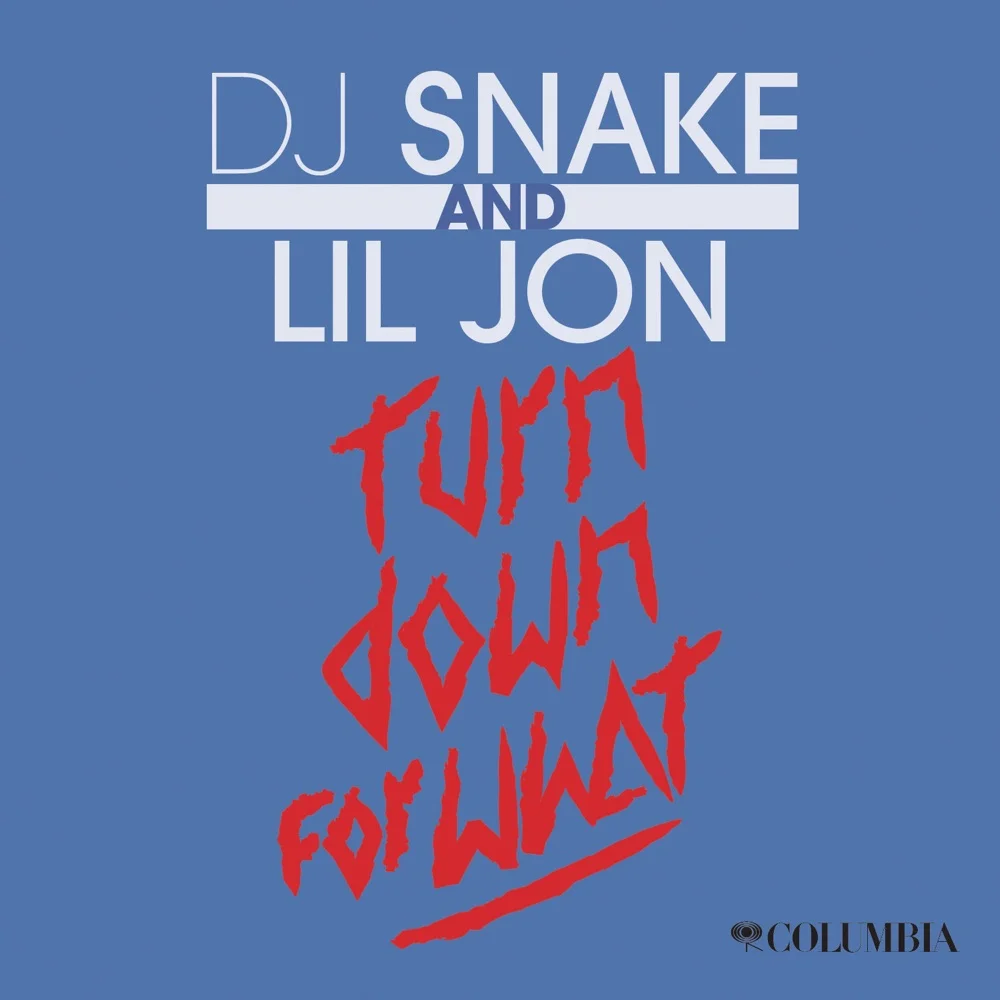
"Turn Down for What" is a masterclass in tension and release. Released in 2013, it defined the trap music era. Vocally, it is sparse—containing very few unique lyrics—but it demands incredible stamina and rhythmic precision. It is not about singing pretty; it is about singing loud and effectively.
To score well on this track, you need to abandon traditional melodic technique and focus entirely on projection and attack. Let's break down the mechanics of the shout.
AI Coach Tip: Protect Your Throat
Many users fail by screaming from their throat, which leads to hoarseness instantly. You must engage your diaphragm (stomach muscles) to push the air out. Think of it as a bark, not a screech.
Phase 1: The Rhetorical Question
The hook relies on the repeated phrase: "Turn down for what?" This is delivered in a rhythmic, chanting style. The pitch hovers around C# or E, but pitch accuracy is less important than rhythmic locking.
The Trap: Being late on the beat. The vocals sit exactly on the snare hits. You must be precise with your consonants. The "T" in Turn and the "W" in What need to be percussive.
Phase 2: The "Fire" Shouts
Throughout the buildup, Lil Jon shouts "Fire!" (or "Fired up!"). These act as vocal stabs. They should be short, staccato, and loud.
- Attack: Hit the start of the word hard.
- Decay: Cut the note off immediately. Do not sustain it.
- Volume: This needs to be a forte or fortissimo.
Phase 3: Stamina and Breathing
While the lyrics are repetitive, the energy required to maintain the intensity for 3 minutes is high. Take deep breaths during the instrumental breaks. Do not shallow breathe, or you will get lightheaded before the second drop.
The song is essentially a cardio workout for your vocal cords. Warm up properly with lip trills before attempting a full volume take.
Frequently Asked Questions
Strictly speaking, no. While Lil Jon shouts in key (E Phrygian), the Singing Coach AI algorithm prioritizes rhythmic accuracy and volume consistency for this specific track.
It is extremely narrow. It is mostly a monotone shout centered around C#4/E4. It is accessible to Basses, Baritones, Tenors, and Altos alike.
Don't hold back. Our AI detects "timid" vocals. You need to commit to the performance. If your neighbors aren't complaining, you aren't singing it right.