
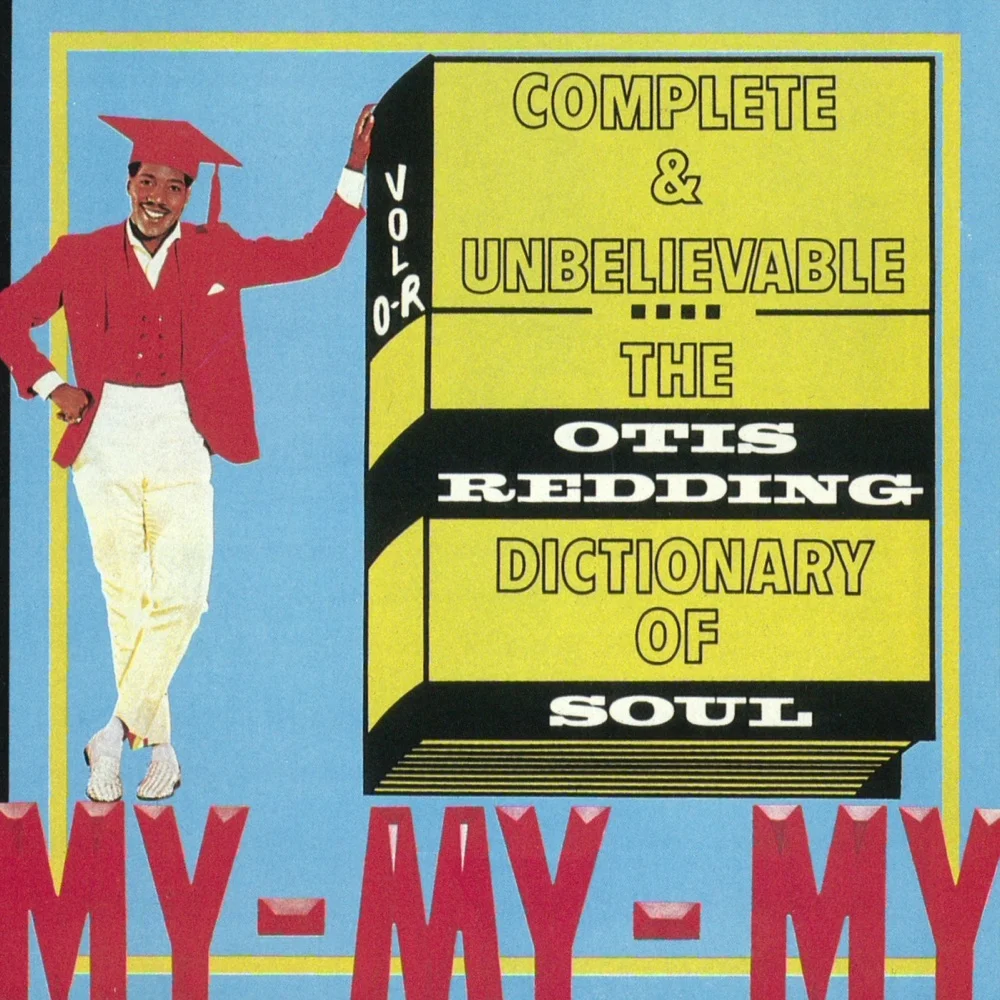
The Ultimate Lesson in Dynamics
"Try a Little Tenderness" is not just a song; it's a gradual explosion. Otis Redding transformed this 1930s standard into a defining moment of Soul music. The structure is unique: it begins as a mournful ballad and ends as a high-tempo, frenetic soul shout.
To sing this well, you need patience. The biggest mistake singers make is giving too much energy too early. You must conserve your breath and vocal power for the legendary finale. Let's break down the ascent.
AI Coach Tip: Watch the Pacing
Otis sings slightly behind the beat in the first verse to create a relaxed, weary feel. Our AI rhythm analysis often flags users for rushing the phrase "She may be weary." Stay in the pocket.
Phase 1: The Croon (0:00 - 1:45)
The song opens with horns and a slow organ. Your voice should be in a conversational range (A2 to E3). Use a "breathy" tone here.
The Trap: Don't try to add grit yet. The emotional impact of the ending depends on the softness of the beginning. Keep the vowels open and the volume at a piano level.
Phase 2: The Climb (1:45 - 2:45)
The snare drum kicks in. The tempo doesn't change yet, but the intensity does. This is where you start adding "twang" and compression to your voice.
- "It's not just sentimental": Start shortening your phrasing. Make it punchier.
- Volume: Increase to mezzo-forte. You should feel the resonance move from your chest to your mask (face).
Phase 3: The Soul Shout (2:45 - End)
The tempo doubles. The drums go wild. This is the famous "You've got to, got to, got to" section. The notes hit B4 repeatedly in a belt.
To survive this section without losing your voice, engage your diaphragm heavily. The "grit" should come from a relaxed constriction above the cords, not by grinding your throat. Think of the vocal sounds as percussive hits rather than sustained notes.
Frequently Asked Questions
The highest belted chest-voice note is a B4 during the climax. However, Otis often ad-libbed higher shouts that aren't strictly on the staff.
No. The rasp is a stylistic choice called "distortion." You can learn to do this safely using vocal fry techniques in the Singing Coach AI app without damaging your cords.
The ending is fast. You have to take "sip breaths"—quick, deep inhales through the mouth between the "got to's." Practice the rhythm slowly first.