The Ultimate Rhythm Challenge
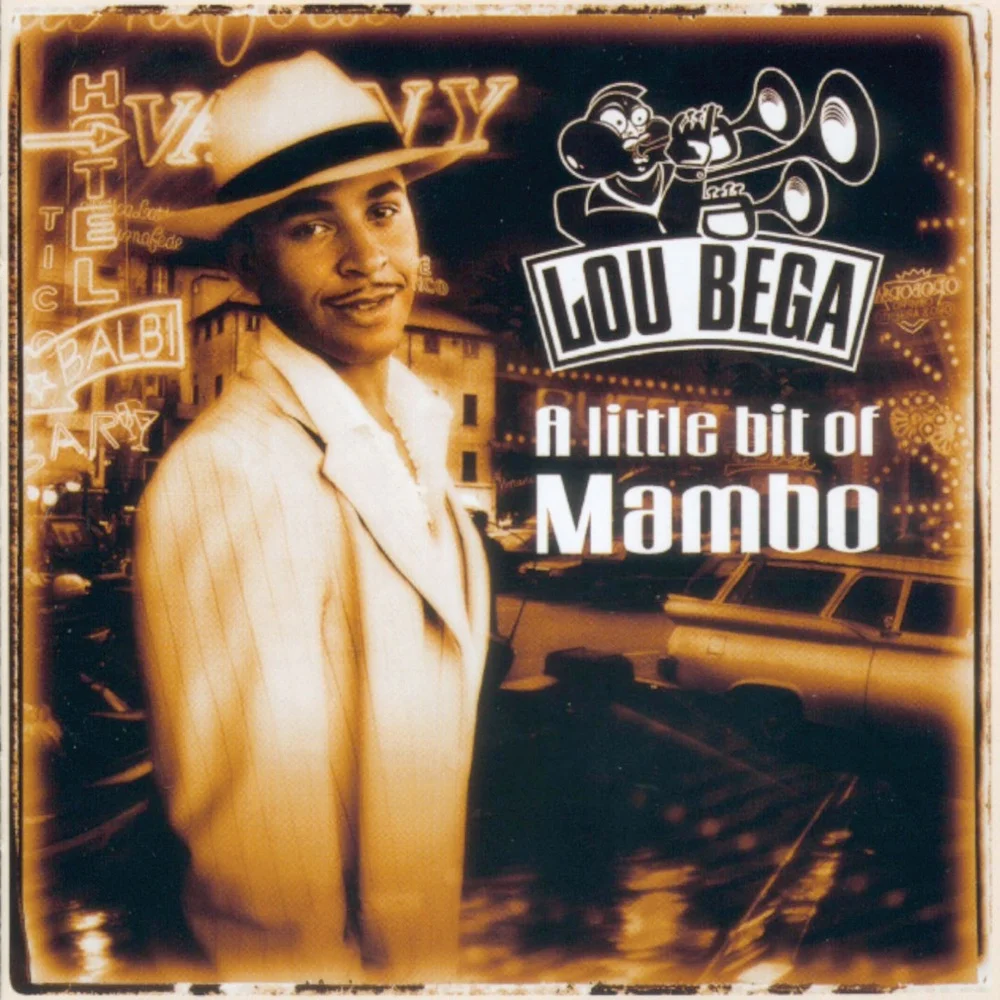
Following the massive success of "Mambo No. 5," Lou Bega returned with Tricky Tricky, another high-energy track from the album A Little Bit of Mambo. While the notes themselves aren't excessively high, the challenge lies in the delivery. This song requires the percussive vocal style of 1950s mambo mixed with modern pop sensibilities.
To sing this well, you need to act more like a drummer than an opera singer. The vocals are rhythmic, punchy, and require excellent breath support to handle the rapid-fire lyrics without sounding winded. Let's break down how to get that smooth Lou Bega style.
AI Coach Tip: Watch Your Diction
Because the tempo is fast, many singers slur the words in the chorus. Our analysis detects consonant clarity. Make sure you articulate the "Tr" and "ck" sounds in "Tricky" clearly to score higher.
Phase 1: The Verse (Speak-Singing)
The verses in Tricky Tricky are delivered in a "Sprechgesang" (speak-singing) style. You don't need a lot of vibrato here. Instead, focus on forward placement.
The Trap: It's easy to fall behind the beat. The backing track is syncopated. Aim to hit your consonants exactly on the snare hits. Keep your tone light and playful—if you sing too heavy or "chesty," you'll drag the tempo down.
Phase 2: The Chorus Hook
The repetition of "It's tricky, tricky, tricky, tricky" is the centerpiece of the song. This line sits comfortably in the mid-range for most singers, but it requires stamina.
- Staccato Delivery: Don't connect the notes too smoothly (legato). Keep them short and detached to match the brass section.
- Breath Support: You don't have large gaps to breathe. Take quick "sip" breaths through your mouth between phrases so you don't gasp for air.
- Attitude: This is a party anthem. Smile while you sing to brighten the tone and add that necessary charisma.
Phase 3: The Bridge & Style
Lou Bega is known for his smooth, ladies-man persona in his vocals. In the bridge, relax your jaw and drop the volume slightly to create a more intimate vibe before the final energetic chorus kicks back in.
Use the Singing Coach AI pitch monitor to ensure you aren't going flat as your energy drops. The key is to keep the energy in your diaphragm, even when singing softer.
Frequently Asked Questions
The highest sustained note is around D4. It's very accessible for Baritones and Tenors, as the song relies more on rhythm than range.
Absolutely. You can sing it in the original octave for a lower, sultry vibe, or take it up an octave. The AI app allows you to transpose the track to fit your sweet spot.
The lyrics are fast. Practice the song at 0.75x speed in the app to plan your breath marks. Mark exactly where you will inhale and stick to it.