
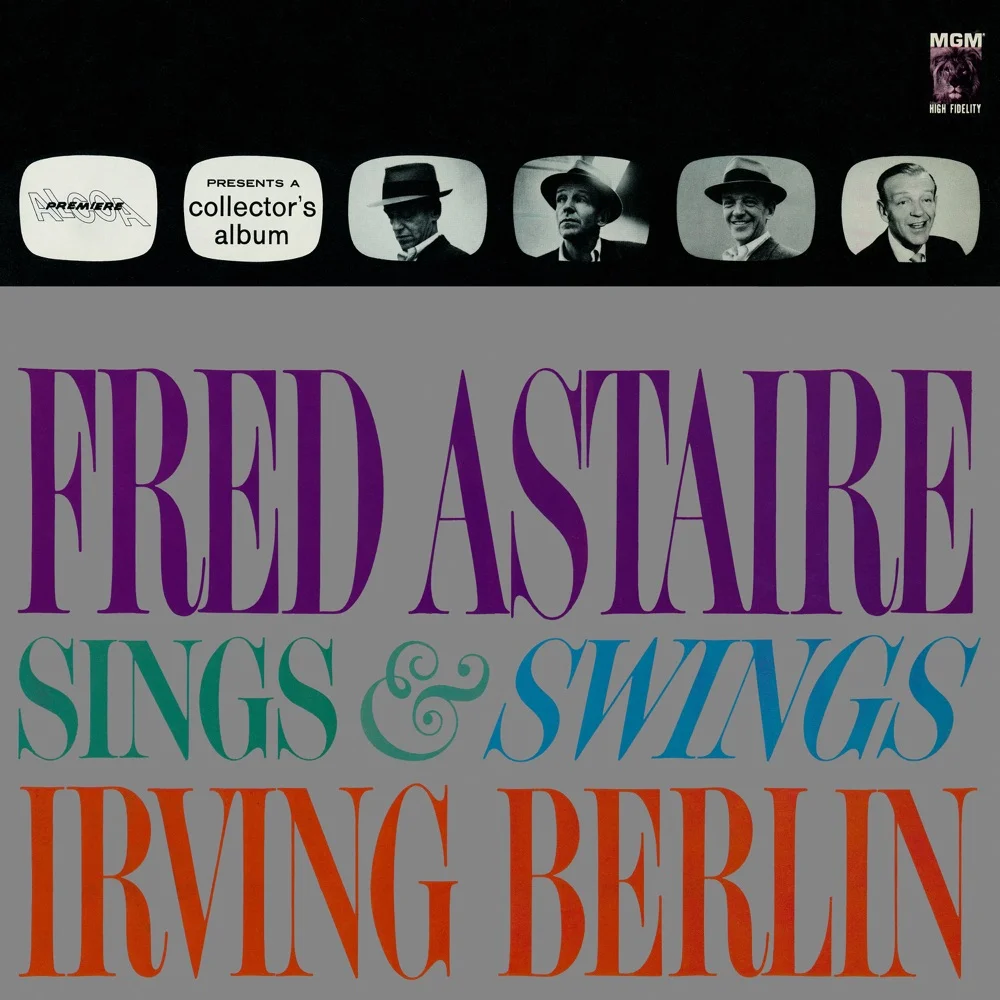
The Art of the "Croon"
Written by Irving Berlin for the 1935 film Top Hat, "Top Hat, White Tie and Tails" is the quintessential Hollywood musical number. While it doesn't require the massive vocal range of modern pop or rock songs, it demands impeccable timing, clear diction, and a sense of "sophisticated ease."
Fred Astaire was not known for power; he was known for style. To sing this song correctly, you must treat your voice like a percussion instrument, hitting the consonants crisply while maintaining a smooth, conversational melody line.
AI Coach Tip: Watch Your Diction
Because the tempo is brisk, words often get muddied. Our analysis shows users lose points on "Dudin' up my shirt front." Practice speaking the lyrics in rhythm before trying to sing them.
Phase 1: The Conversational Intro
The song begins with the verse "I'm putting on my top hat..." This should be sung almost as if you are talking. This technique, often called parlando, sets the relaxed mood. Keep your volume at a comfortable speaking level.
The Trap: Singers often try to add too much vibrato here. Keep the tone straight and simple, saving the flair for the rhythmic accents.
Phase 2: The Syncopated Chorus
When the main hook kicks in, the rhythm becomes the star. The melody jumps around the beat. You need to be locked in with the snare drum.
- "Steppin' out my dear": Keep this light and airy. A smile while singing helps brighten the tone to match Astaire's optimism.
- "To breathe an atmosphere": Ensure you have enough breath to get through the phrase without chopping it up.
- "That simply reeks with class": Emphasize the word "class" with a slightly longer vowel duration.
Phase 3: The Big Finish
Unlike a power ballad that ends on a high belt, this song ends on a stylish fade or a button. The final "dudin' up my... shirt front..." requires precise staccato notes.
Imagine you are adjusting your tie in the mirror as you sing the final line. It's about attitude and confidence, not volume. Keep the resonance in your "mask" (the front of your face) to ensure the low notes project clearly.
Frequently Asked Questions
The melody typically peaks around an E4 or F4, depending on the arrangement. It is very accessible for most male voices without needing to switch to falsetto.
Yes, absolutely. While Fred Astaire had a light baritone quality, Tenors can sing this comfortably. You may want to transpose it up +1 or +2 semitones in the Singing Coach AI app to make it shine in your range.
Focus on the rhythm of the words rather than the sustain of the notes. Astaire sang like a drummer plays. Keep your consonants sharp and your vowels bright.