
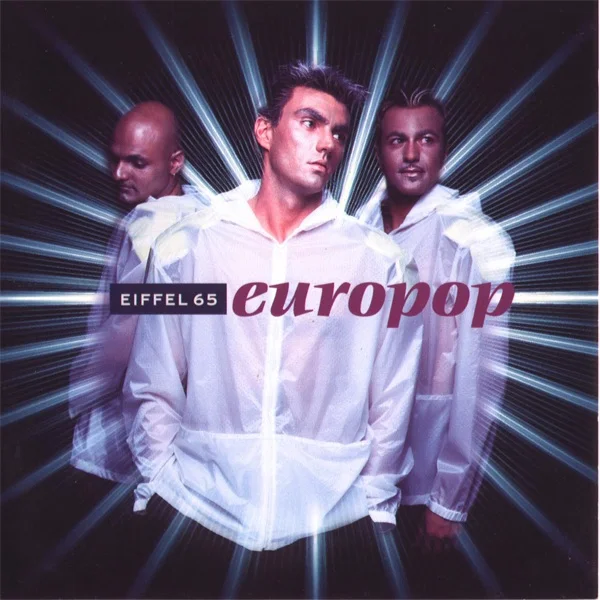
Mastering the Europop Groove
"Too Much of Heaven" by Eiffel 65 stands out as a unique blend of Italo Dance, Pop, and Hip Hop influences. Released on their album Europop, it offers a different challenge compared to their high-energy hit "Blue (Da Ba Dee)." This track relies heavily on a laid-back groove, precise rhythmic delivery, and a smooth, almost synthesized vocal texture.
To sing this effectively, you need to balance the melodic chorus with the spoken-sung verses. The vocal performance by Jeffrey Jey is understated but technically specific. Let's break down how to capture that distinct sound.
AI Coach Tip: Straight Tone
To emulate the electronic feel of the original, minimize your vibrato. Our analysis shows that users who maintain a "straight tone" on held notes score higher on stylistic accuracy for this genre.
Phase 1: The Chorus (Melodic Flow)
The hook "Too much of heaven..." sits comfortably in the middle of the chest voice. The challenge is legato phrasing—connecting the words smoothly without choppy breaks. The melody revolves around the tonic (C#) and dominant notes, requiring stable pitch.
The Trap: Singers often slide into the notes too much. Try to hit the center of the pitch immediately to mimic the precise, quantized nature of electronic music.
Phase 2: The Verses (Rhythmic Delivery)
The verses ("We're living in a world...") lean closer to rap than traditional singing. This section is all about diction and rhythm. You are locking in with the bassline at approximately 98 BPM.
- Diction: Consonants need to be crisp but not explosive. Keep it cool and controlled.
- Breath Control: The lines are long and continuous. Take quick, silent breaths between phrases to maintain the flow without disrupting the groove.
- Tone: Keep the placement forward in the mask (nasal resonance) to cut through the mix, similar to Jey's unique timbre.
Phase 3: The Auto-Tune Style
Even if you aren't using a vocal processor, you can mimic the aesthetic. The original track features subtle pitch correction that gives it a robotic edge. To achieve this acoustically, avoid "scooping" up to notes. Step cleanly from one pitch to the next, like walking up stairs rather than sliding up a ramp.
Frequently Asked Questions
The song generally sits between C#3 and E4. It stays in a comfortable chest register for most Baritones and Tenors, without requiring high belts.
Not necessarily. While the original uses processing for effect, you can replicate the style by singing with very straight tone and precise pitch transitions, which the AI Coach will evaluate.
It is rated "Medium." The pitch range is accessible, but the rhythmic timing of the verses can be tricky for beginners to lock in perfectly.