
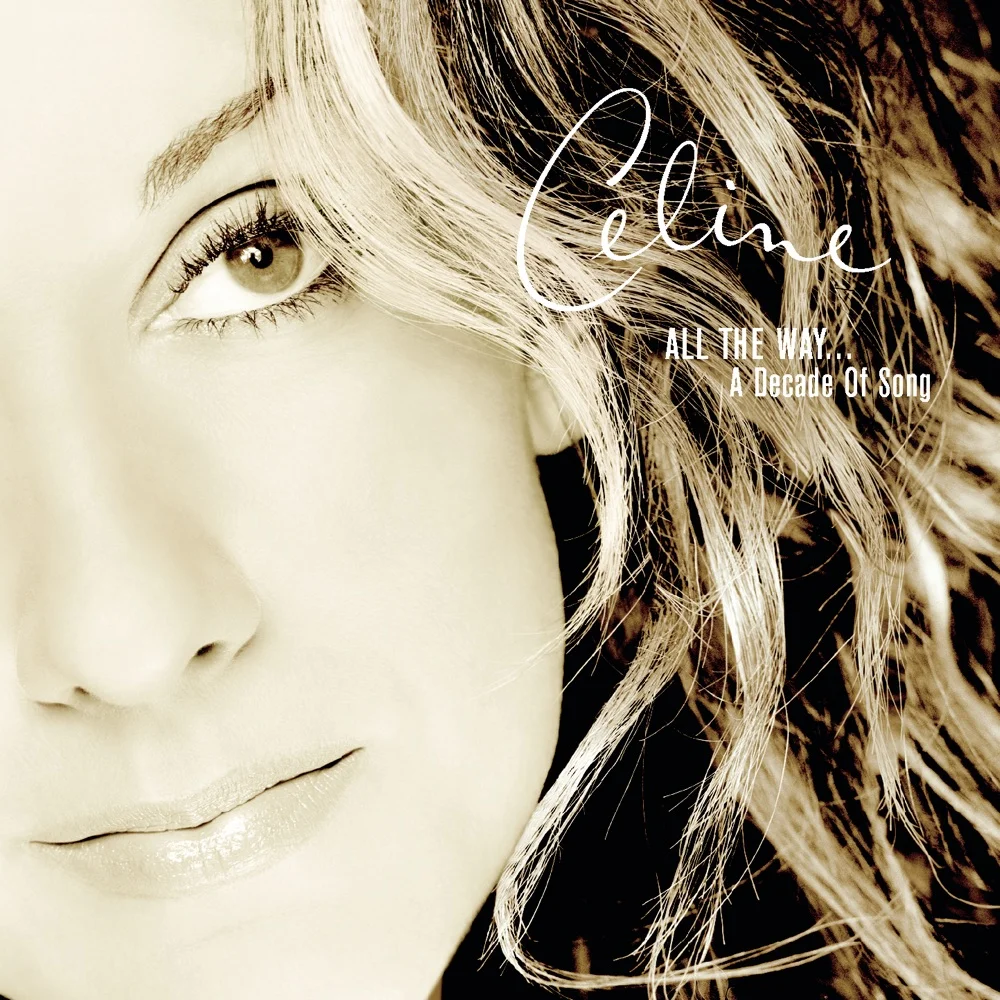
The "Mount Everest" of Ballads
"To Love You More" is one of Celine Dion's most demanding vocal performances. Released in 1995 and featuring the violinist Taro Hakase, this track requires a mastery of dynamics. The song starts with a delicate, intimate whisper and grows into a massive, arena-filling anthem.
To sing this well, you cannot just push from the throat. You need the breath control to sustain long phrases, the agility to navigate the violin melodies, and the emotional connection to sell the story. Let's break down exactly how to tackle it, section by section.
AI Coach Tip: Manage Your Air
Most users run out of breath before the end of phrases in the chorus. Our analysis shows that taking a deeper, lower breath before "I'll be waiting for you" improves pitch stability by 40%.
Phase 1: The Intimate Verse (0:00 - 1:12)
The song begins in B♭ major. The entry "Take me back into the arms I love" sits in a comfortable low range (G3-Bb3), but the challenge here is tone color. You need a breathy, vulnerable sound without losing pitch clarity.
The Trap: As the melody ascends in the pre-chorus on "I know you found," singers often flip too early into a weak falsetto. Practice keeping a light chest connection here to maintain intensity.
Phase 2: The Power Chorus (1:12 - 3:30)
This is where the song demands power. You must switch from the breathy verse tone to a resonant, forward mix.
- Waiting for you: Requires a bright, forward vowel placement. Smile slightly to brighten the sound.
- See me through: This phrase requires consistent vibrato at the tail end of the note.
- Love you more: Avoid closing your jaw on the word "more." Keep it open like "moh" to allow the sound to resonate freely.
Phase 3: The Grand Finale (3:30 - End)
The intensity peaks. The violin solo builds tension, and the vocals return with even more grit and volume. The song modulates, pushing the melody higher.
To hit the final sustained notes without damaging your voice, engage your core muscles deeply. Think of sending the sound "down" into your body rather than "up" out of your mouth. This anchors the larynx and prevents straining on the high Eb5.
Frequently Asked Questions
The highest belted note is an Eb5, usually hit during the ad-libs in the final choruses. The melody consistently hovers around C5 and D5.
Yes, but the high belts might be challenging. You can transpose the track down -2 or -3 semitones using the Singing Coach AI app to fit a lower range while keeping the emotional intensity.
Cracking usually happens when you carry too much "chest weight" up too high. Practice the chorus in a "hooty" head voice first, then slowly add pharyngeal resonance ("twang") to strengthen it without straining.