
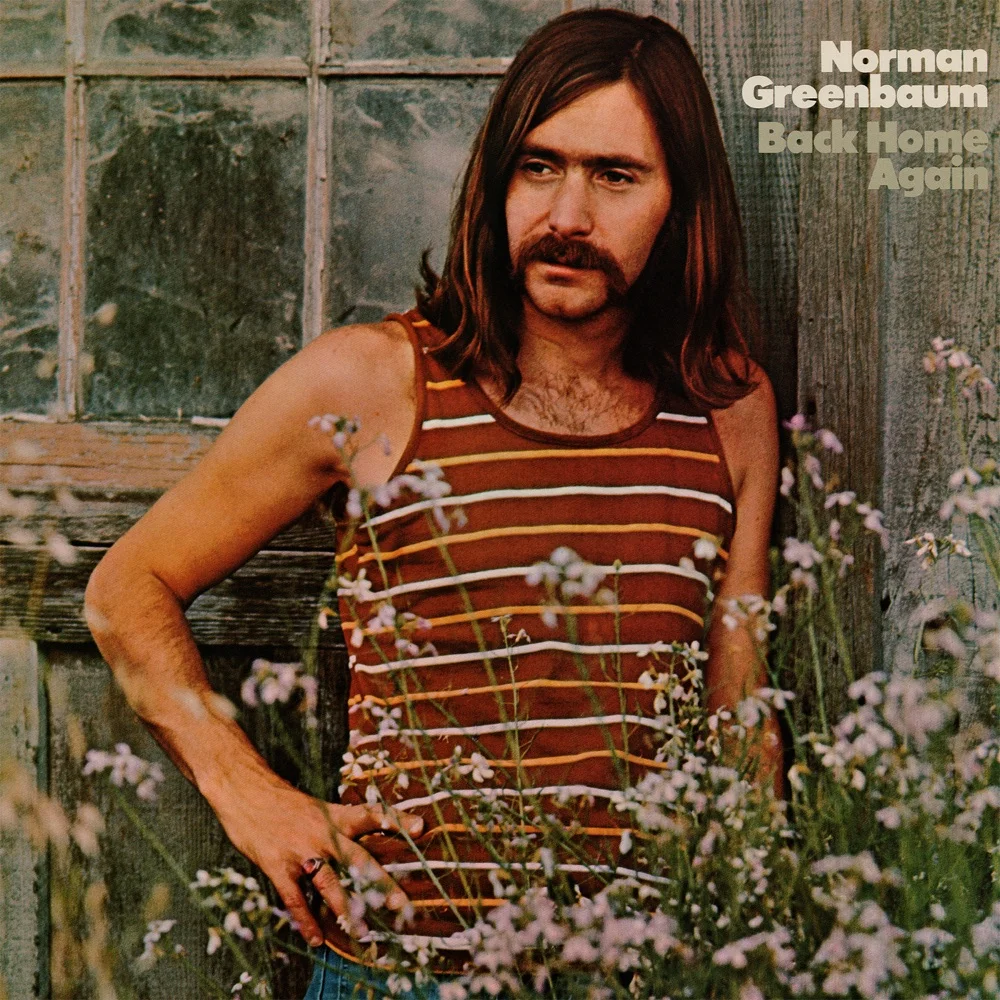
Mastering the Ryne of Petaluma
Titfield Thunder is a standout track from Norman Greenbaum's 1972 album Petaluma. Unlike high-octane pop anthems, this song requires a laid-back, almost lazy delivery that sits deep in the pocket of the rhythm. It combines elements of folk, rock, and a touch of psychedelia.
To sing this well, you need to abandon "perfect" technique in favor of character. The charm lies in the slightly nasal tone and the conversational delivery. Let's break down how to capture that specific Norman Greenbaum vibe.
AI Coach Tip: Relax the Jaw
Many singers over-articulate the lyrics here. Greenbaum has a very relaxed, almost mumbled style on certain vowels. Keep your jaw loose and focus on the rhythm rather than crisp diction.
Phase 1: The Groove & Timing
The instrumentation is acoustic-driven and rhythmic. Your vocals need to act as another percussive instrument. Do not drag behind the beat.
The Trap: Because the tempo is moderate, it's easy to get lazy with timing. Ensure your onset for each phrase is precise, locking in with the guitar strumming pattern.
Phase 2: The Conversational Tone
The song stays largely in the mid-range (G2-E4). This is comfortable for most male voices, but the danger is sounding too "bored."
- Storytelling: Treat the verses like you are talking to a friend. Use a "half-sung, half-spoken" approach (Sprechgesang).
- Dynamics: Stay largely in mezzo-forte. Don't push too hard, or you will lose the folk aesthetic.
Phase 3: The Folk Rock Twang
Greenbaum is known for a distinctive tone that cuts through the mix without being shrill. To achieve this, try placing the resonance forward in the "mask" (the front of your face/nose area).
Experiment with a slightly brighter vowel shape on words like "Thunder" to mimic that 70s folk-rock sound. This adds character and authenticity to your cover.
Frequently Asked Questions
The melody generally tops out around an E4, making it very accessible for Baritones and Tenors alike.
Not necessarily. While Greenbaum has texture, it's more about the "twang" and forward placement than forcing grit. Forcing rasp can damage your voice.
Yes. If the low notes in the verses are too quiet for you, use the Singing Coach AI app to transpose the track up +2 semitones for a brighter sound.