
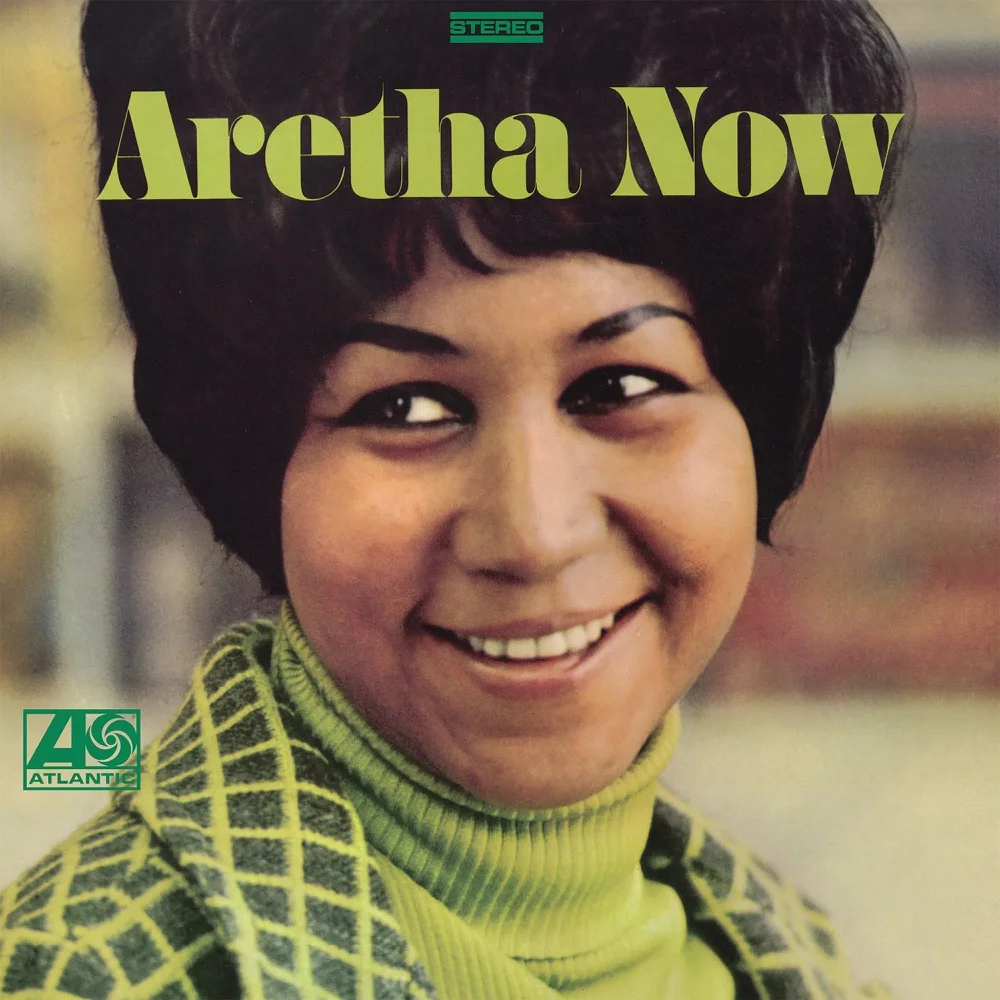
The Ultimate Soul Anthem
"Think" is more than just a song; it's a demand for respect. Co-written by Aretha Franklin and Ted White, this 1968 classic defines the "Detroit Sound." It’s fast, aggressive, and requires unwavering confidence. While the song is short, it is technically exhausting because there is almost no downtime.
To sing "Think" effectively, you need to master the balance between chest voice power and rhythmic precision. You cannot "float" through this song; you have to drive it.
AI Coach Tip: The "Freedom" Chant
During the "Freedom!" bridge, many singers run out of air. Do not take a full breath between every word. Use "staccato" pulses from your diaphragm to punch the notes out while maintaining a single, steady stream of air pressure.
Phase 1: The Verse Groove
The song starts in B♭ Major. The verses ("You better think...") are sung in a conversational, sassy tone. The pitch isn't as high here, but the rhythm is tricky.
The Trap: Aretha sings slightly behind the beat (the "pocket"). If you sing too squarely on the grid, you will sound robotic. Relax your phrasing and emphasize the consonants to get that percussive soul sound.
Phase 2: The Belting Chorus
The chorus creates a wall of sound. You will be hovering around C5 and D5. To sustain this without strain, you must use "Twang" and forward placement.
- Vowel Modification: Do not sing a wide "Think" (like 'ee'). Modify it slightly towards "Th-eh-nk". This lowers the larynx and prevents squeezing.
- Attitude: The AI Coach looks for volume consistency here. If you back off the power, your score will drop.
Phase 3: The Key Change & Outro
At the 1:30 mark (approx), the song modulates up one semitone to B Major. This lifts the energy for the finale. You will need to push your mix voice even higher.
The outro involves rapid-fire ad-libs. Don't try to copy Aretha note-for-note here; instead, focus on staying in the key of B Major and keeping your energy high until the fade-out.
Frequently Asked Questions
The core melody hits high F5s during the ad-libs and the "Freedom" section. It sits consistently in the "break" area (C5-Eb5).
Yes, but it will be a workout for your upper register. We recommend warming up your mixed voice thoroughly. You can also transpose the track down -2 semitones in the app.
The "growl" comes from false chord engagement, not from grinding your vocal cords together. It is an advanced technique. Start by singing clean, then add texture later.