
The "Hills Are Alive" With Technique
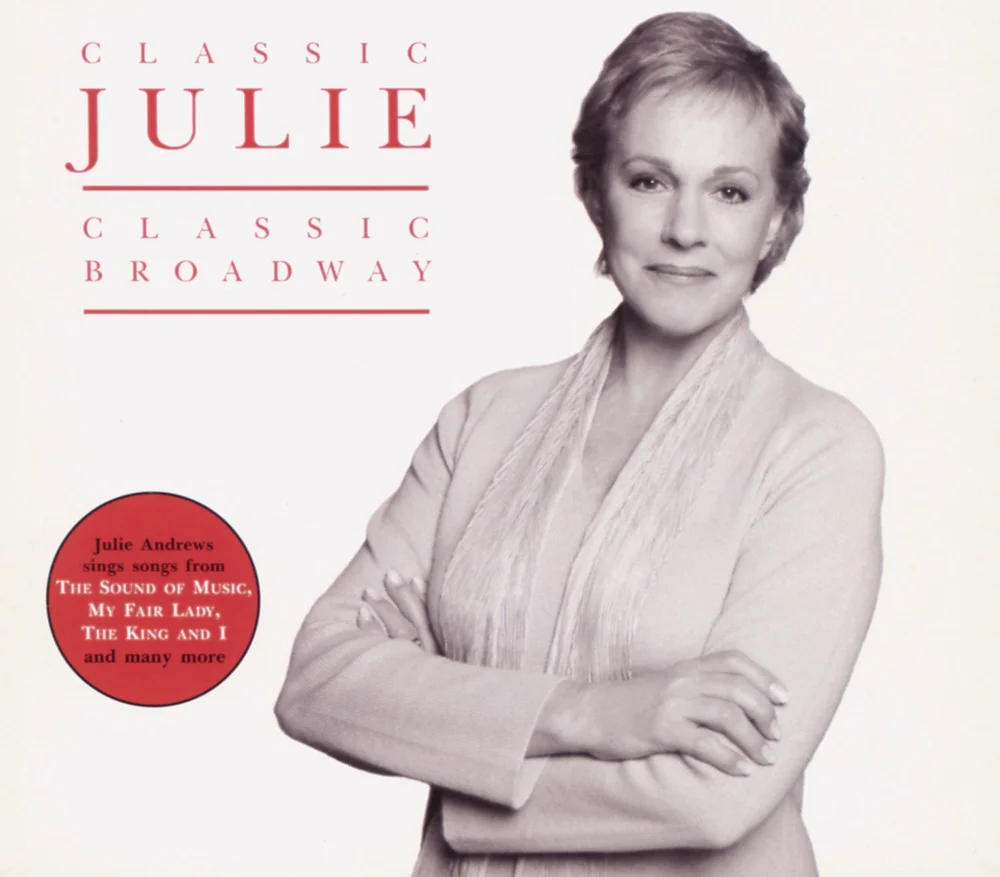
Rodgers and Hammerstein's masterpiece is deceptively simple. While it doesn't require extreme belting, it demands incredible breath control and a "spinning" head voice. Julie Andrews' performance in the 1965 film defines the standard: crystal clear diction, effortless legato, and a bright, forward placement.
To sing this well, you must resist the urge to sing "pop" style. This is classical musical theatre. You need to create a long, unbroken line of sound, smoothing over the large interval jumps in the melody.
AI Coach Tip: Watch Your Diction
Julie Andrews is famous for her crisp consonants. Make sure your "T"s and "K"s are sharp, but don't let them interrupt the flow of air. The vowels should carry 90% of the weight.
Phase 1: The Preamble (0:00 - 0:45)
The song often begins with the verse "My day in the hills has come to an end." This section sits in a conversational middle range (around F4). Keep it light and storytelling-focused. Avoid pushing too much chest voice here; think of it as a gentle mix.
The Trap: Singers often rush the tempo here. The phrasing needs to feel like a sigh of relief, expansive and unhurried.
Phase 2: The Iconic Opening (0:45 - 1:30)
"The hills are alive..." The melody leaps a perfect fourth, then continues to climb. This requires "pre-hearing" the pitch. If you slide up to the note (portamento), it sounds amateur. You must land directly on the center of the pitch.
- Alive: Open your mouth vertically on the "I" vowel to create resonance.
- Sound of Music: Keep the vibrato steady. Do not let the tone wobble on the sustained notes.
Phase 3: The Climax (1:30 - End)
As you approach "I go to the hills when my heart is lonely," the energy builds. This is where you need deep diaphragmatic support. The final section reaches a C5 (High C) on the word "Sing" in some arrangements, though the movie version stays slightly lower.
To hit the high notes with that signature Julie Andrews clarity, use a "head-dominant mix." Imagine the sound vibrating in your cheekbones and forehead, rather than your throat. This keeps the tone bright and youthful.
Frequently Asked Questions
In the standard movie key (F Major), the melody peaks at C5 (on "sing once more"). It is a very accessible range for most female voices.
Absolutely. The song sits comfortably in the middle register (B3-C5), which is the sweet spot for Mezzo-Sopranos and Altos. You don't need a high soprano range to sing it beautifully.
The phrases are long! Practice "staggered breathing" exercises in the Singing Coach AI app to increase your lung capacity. Also, don't exhale all your air on the first word of the phrase.