
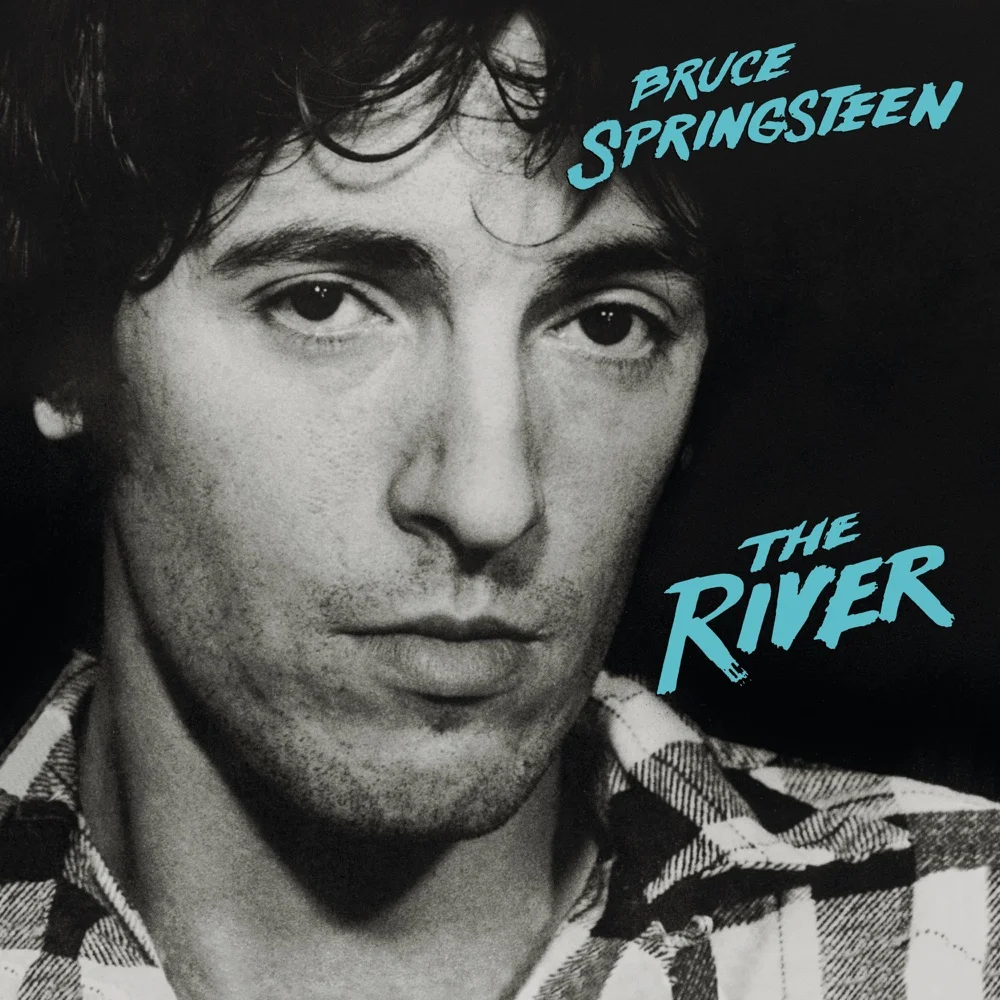
The Quintessential Storytelling Anthem
Released on the 1980 double album of the same name, The River is a masterclass in vocal storytelling. Bruce Springsteen uses his voice not just to hit notes, but to convey the weariness and faded dreams of the narrator. The song tells the story of early love and economic hardship, requiring a singer to balance a conversational "Sprechgesang" style with powerful, chest-driven belts.
To sing this well, you cannot rely on perfect technical purity. You need texture. You need to understand when to hold back and when to let the frustration explode in the chorus. Let's break down the techniques required.
AI Coach Tip: Don't Oversing the Verses
Many singers push too hard on the opening lines. Our analysis shows that keeping the volume at a 3/10 during "I come from down in the valley" creates a stronger contrast for the chorus. Speak the lyrics, don't just sing them.
Phase 1: The Narrative Verse (D3 - D4)
The verses are sung in a comfortable Baritone range. The key here is articulation and a relaxed larynx. The phrasing is loose, often dragging slightly behind the beat to create a feeling of resignation.
The Trap: Trying to add "grit" too early. If you growl through the verses, you will have nowhere to go dynamically when the chorus hits. Keep the tone relatively clean but weary.
Phase 2: The Chorus Belt (G4)
The emotional release comes with the line "That sends me down to the river." Here, Springsteen jumps to the upper edge of his chest register. The G4 is a pivot note for many baritones.
To achieve this power without straining, focus on Appoggio breath support. Do not squeeze the throat. Instead, anchor your breath low and direct the sound forward into the "mask" of your face. This forward placement allows you to belt the G4 safely.
Phase 3: The Haunting Outro
The wordless "Ooh-ooh" section at the end is iconic. It mimics the sound of the wind or the flowing river. This requires a switch to a lighter mechanism, moving toward head voice or a very light mix. It acts as a counterpoint to the aggressive chest belting of the chorus.
- Vowel Shape: Keep the lips rounded and tight for the "Ooh" sound to maintain pitch stability.
- Volume: Fade out gradually. The AI Coach tracks your decibel levels here to ensure a smooth decrescendo.
Frequently Asked Questions
The highest belted chest-voice note is a G4. In live versions, Springsteen occasionally pushes higher, but the studio recording tops out there.
No. While Springsteen has natural grit, you can sing this with a clean tone. If you want to add rasp, use "vocal fry" at the start of phrases, but do not push air through a constricted throat.
Yes. The range is manageable for most male voices. The challenge lies in the emotional delivery and phrasing rather than acrobatic pitch jumps.