
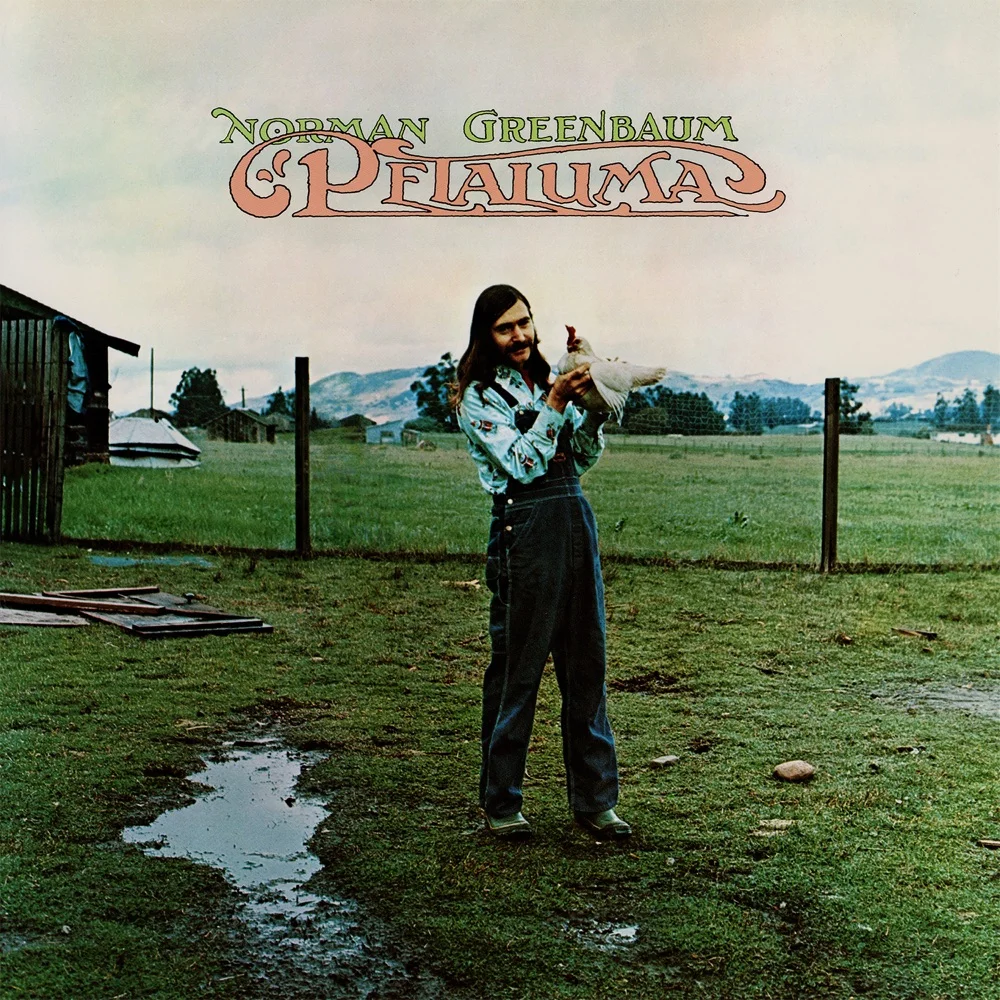
Mastering Folk-Rock Storytelling
Released on the iconic 1969 album Spirit in the Sky, "The Day the Well Went Dry" showcases Norman Greenbaum's distinctive vocal character. Unlike high-power rock anthems, this track requires a grounded, conversational approach that typifies the folk-rock genre of the late 60s.
To sing this well, you need to focus less on hitting high notes and more on phrasing, diction, and maintaining a consistent chest resonance. The charm of the song lies in its relaxed delivery and rhythmic groove.
AI Coach Tip: Relax Your Phrasing
Many singers rush the verses. Our analysis suggests sitting slightly "behind the beat" creates that authentic folk feel. Don't anticipate the next line; let it flow naturally.
Phase 1: The Verses
The song stays comfortably in the mid-range for most male voices (G2 to C4). The key here is clarity. You want to adopt a "storyteller" persona. Ensure your consonants are clear but not explosive.
The Technique: Greenbaum uses a slightly nasal, forward placement. To achieve this without straining, keep your volume at a conversational level and feel the vibration in your mask (the front of your face) rather than your throat.
Phase 2: The Chorus
When the title line "The day the well went dry" hits, there is a slight lift in energy. While it doesn't require a belt, you should brighten your tone. Smile slightly while singing to raise your soft palate, which adds a natural "twang" suitable for this genre.
Phase 3: Breath Control
The phrasing in folk songs often follows the pattern of speech. You don't need massive lung capacity for this track, but you do need consistent airflow. Avoid taking gasping breaths between lines; instead, take quick, silent "sips" of air to keep the narrative uninterrupted.
Frequently Asked Questions
The melody is very contained, peaking around an E4 in the chest voice. It is accessible for almost all Baritones and Tenors.
Greenbaum has a distinct texture. Try adding a little "twang" to your voice by narrowing your pharynx slightly, but keep the volume moderate. Think of it as speaking on pitch.
Yes, absolutely. Because it doesn't require extreme range or complex runs, it is a perfect song for beginners to practice timing and tone consistency.