
More Than Just "Come On Eileen"
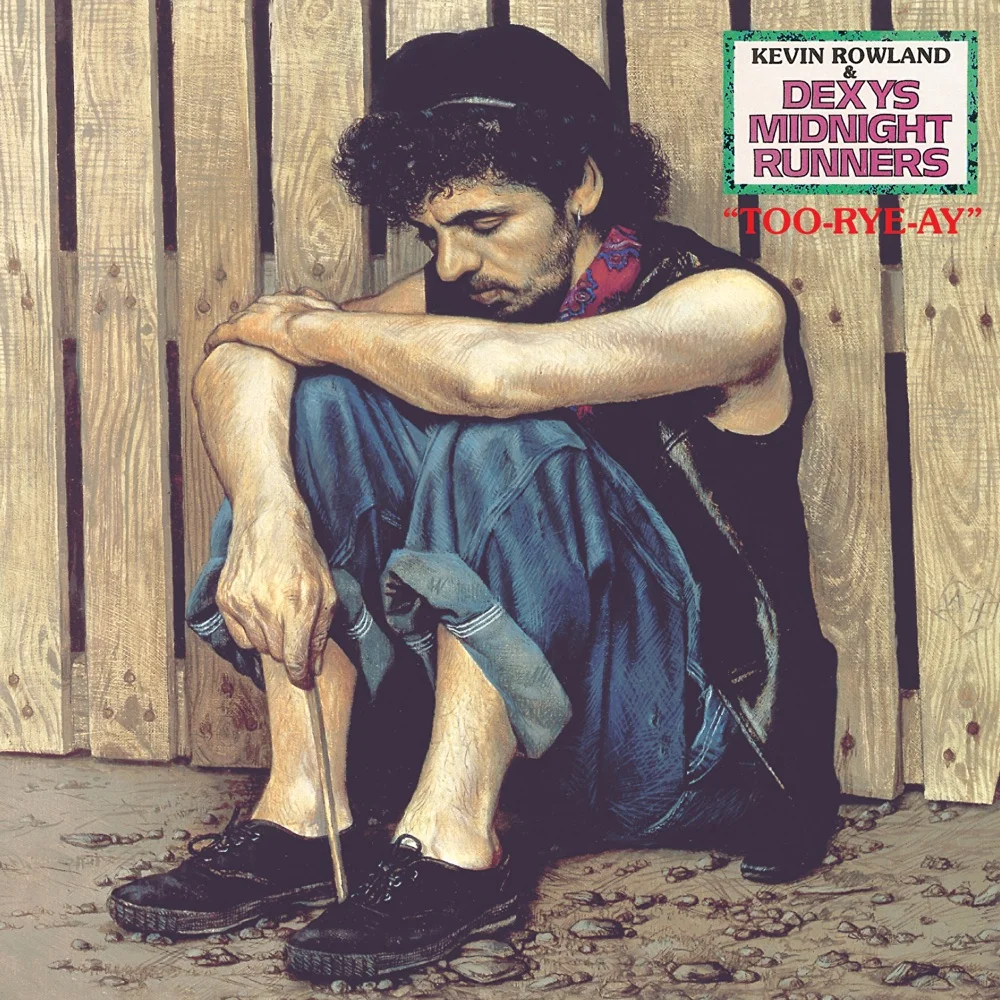
"The Celtic Soul Brothers" opens Dexys Midnight Runners' seminal album Too-Rye-Ay with an explosion of fiddles and soul energy. Written by Kevin Rowland and the band, this track is a masterclass in blending Irish folk storytelling with American soul phrasing.
Singing this song isn't about hitting impossible high notes; it's about attitude, timing, and dynamic variation. Kevin Rowland’s delivery oscillates between spoken word, shouted declarations, and melodic crooning. Let's break down how to capture that spirit.
AI Coach Tip: Watch Your Diction
Because the tempo is brisk (approx 140 BPM), words often get swallowed. Our analysis shows users lose points on the "More, please, and thank you" section by slurring. keep your consonants crisp.
Phase 1: The Rhythmic Verses
The song starts with a distinct rhythmic bounce. The opening lyrics "More, please, and thank you" should be delivered almost conversationally but with strong projection. You aren't just singing; you are demanding attention.
The Trap: The phrasing is syncopated against the violin riff. Avoid dragging behind the beat. You need to be right on the front edge of the rhythm to maintain the song's driving momentum.
Phase 2: The "Coming, Coming" Chorus
The refrain "Coming, coming, coming" is the hook of the song. It requires a staccato attack. Each word should be distinct.
- Resonance: Use a "forward" placement (mask resonance). Smile while you sing to brighten the tone and match the brass/strings section.
- Dynamics: Build the volume as the repetition continues. Start mezzo-forte and push to forte by the time you reach the resolution.
- Breathing: Grab quick "catch breaths" between phrases. Do not wait until you are empty to breathe.
Phase 3: The Soul Shouts & Ad-libs
Towards the bridge and outro, Rowland introduces his trademark soul shouts and yelps. This is where you can loosen up your technique slightly for stylistic effect.
To achieve this safely, engage your diaphragm deeply. If you try to shout from your throat, you will strain quickly. Think of these sounds as "called out" rather than sung melodic lines.
Frequently Asked Questions
The melody generally tops out around a G4 (belted), though some ad-libs may touch slightly higher frequencies depending on the live version or specific shout.
It's a fusion style often called "Celtic Soul." It combines the storytelling aspect of Irish Folk with the gritty, emotive delivery of 1960s American Soul music.
Use the Singing Coach AI metronome feature. Practice the spoken-word sections at 75% speed to lock in the syllable placement before speeding it back up.