
The Ultimate Southern Rock Story
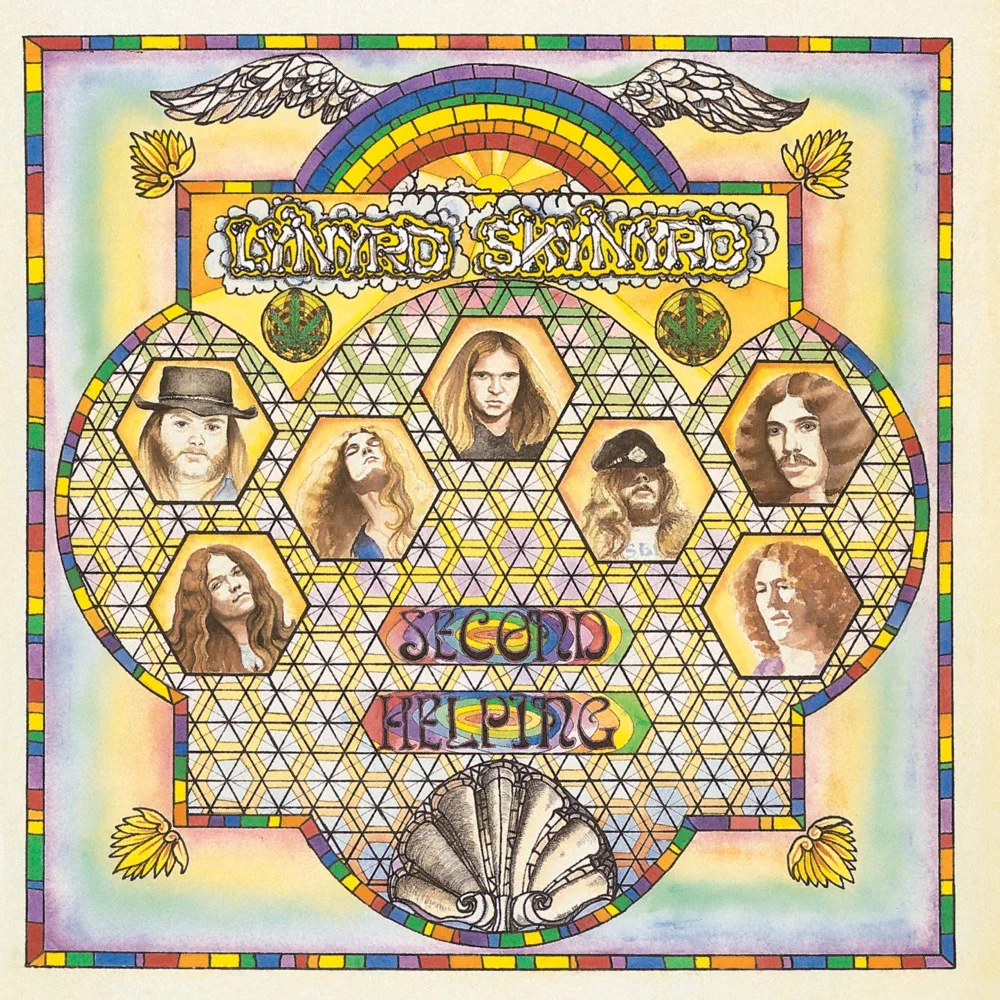
Featured on Lynyrd Skynyrd's 1974 album Second Helping, "The Ballad of Curtis Loew" is a masterclass in vocal storytelling. Unlike the high-powered rock of "Free Bird," this song requires a grounded, conversational approach that pays tribute to the blues.
Ronnie Van Zant's delivery is all about authenticity. The technical challenge lies in maintaining a consistent chest resonance while navigating the blues scale in E Major, often sliding between notes to mimic the sound of the Dobro guitar.
AI Coach Tip: Focus on Diction
Many singers get too "lazy" with the lyrics in an attempt to sound bluesy. However, this is a story song. Our analysis shows that clear consonant articulation on words like "soda," "picking," and "money" improves engagement scores significantly.
Phase 1: The Verses (Story Mode)
The song begins in a comfortable range for most Baritones (E3 to B3). The goal here is to sound like you are speaking to an old friend.
The Trap: Don't sing it too "straight." Use a technique called back-phrasing, where you delay the start of a line slightly behind the beat to create a relaxed, laid-back feel. If you sing exactly on the grid, it will sound robotic.
Phase 2: The Chorus (The Belt)
The energy lifts for the chorus: "Play me a song, Curtis Loew, Curtis Loew." Here you need to engage your diaphragm. The melody touches a G#4, which is the "break" area for many male voices.
- "Play me a song": Approach this with a "hey!" shout coordination to keep the throat open but gritty.
- "Finest picking": Allow your voice to slide down on "picking" to match the guitar slide.
- Resonance: Keep the sound in your chest and mouth, avoiding a nasal placement which ruins the warm Southern tone.
Phase 3: The Blues Phrasing
Van Zant uses "vocal fry" at the beginning of phrases to add texture. This isn't damage; it's a stylistic choice. When he sings "Old Curt was a black man with white curly hair," he drops into the lower register with a gravelly texture.
To practice this safely, try gently groaning on a low note before engaging the vocal cord closure. This adds the necessary grit without straining the larynx.
Frequently Asked Questions
The lead vocal hits a G#4 during the chorus belt. Background harmonies may go higher, but the lead stays firmly in the mid-belt range.
Not necessarily, but you do need to modify your vowels. Round out your "I" sounds (to sound more like "Ah") to get that warm, open tone characteristic of the genre.
It is rated Medium. The range is accessible, but the challenge is the phrasing and emotional delivery. It's a great song for learning breath control and storytelling.