
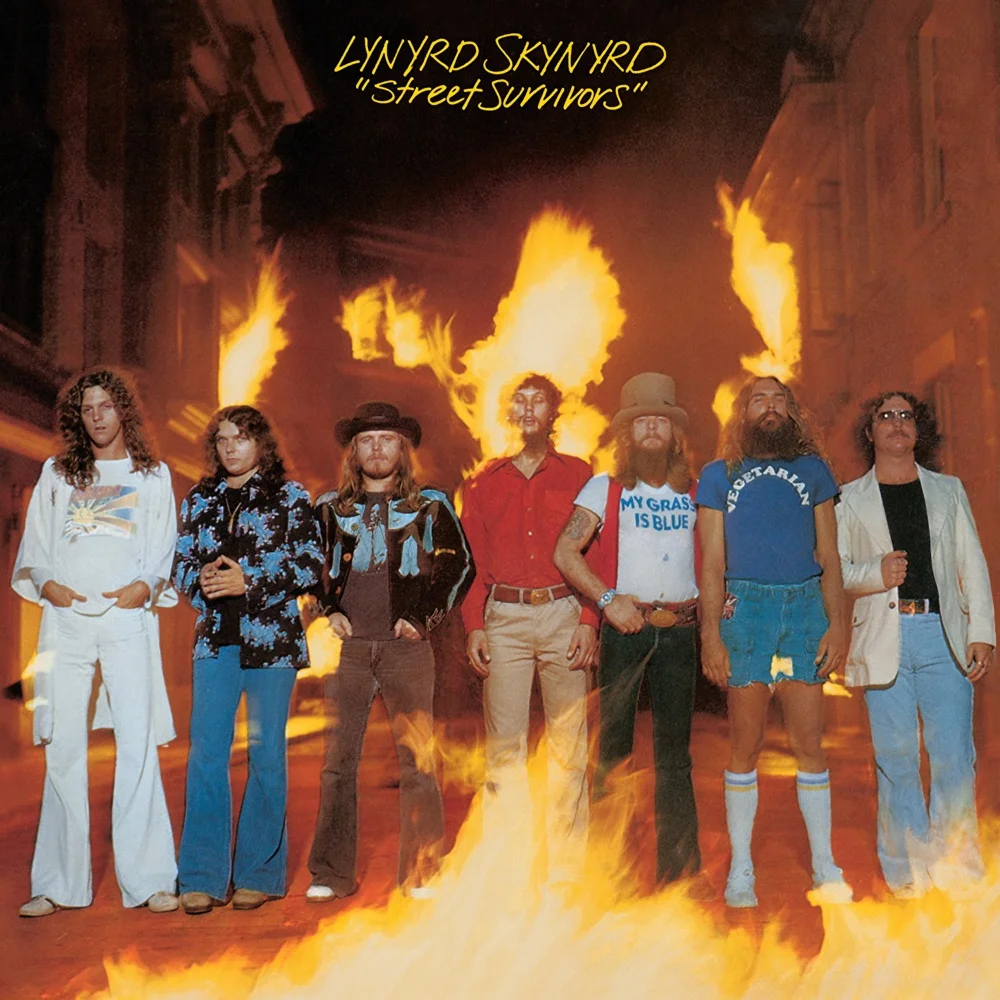
The Ultimate Cautionary Tale
"That Smell" is a masterpiece of Southern Rock, written by Ronnie Van Zant and Allen Collins. It serves as a grim warning against excess, specifically inspired by guitarist Gary Rossington's car accident. Unlike a standard pop song, the delivery here is less about perfect melody and more about a gritty, "matter of fact" narration.
To sing this well, you need to channel a conversational tone. You aren't performing for a stadium; you are telling a dark story to a friend. Let's break down exactly how to tackle the Southern drawl and rhythmic phrasing.
AI Coach Tip: Focus on Articulation
Do not enunciate too clearly. Our analysis shows that high scores come from relaxing the jaw and softening consonants to match Van Zant's drawl. "Brand new cars" should sound almost like one word.
Phase 1: The Verses (Whiskey Bottles...)
The song begins in F Major with a distinct groove. The opening lines, "Whiskey bottles, and brand new cars," sit in a comfortable Baritone range (A2-C4). The challenge here is rhythm.
The Trap: Singers often rush the beat. Ronnie sings slightly *behind* the beat (a technique called back-phrasing) which gives the song its relaxed, heavy feel. Keep your chest resonance strong and don't push the volume yet.
Phase 2: The Chorus (Ooooh That Smell)
This is the most recognizable part of the track. You need to jump up to a G4 on "Ooooh." This requires a switch to a more forward, "twangy" placement to cut through the guitars.
- The "Ooooh": Don't make it too round. Keep it bright. Think of a calling sound.
- Can't you smell that smell: This line descends. Maintain your breath support so the end of the phrase doesn't drop in volume or pitch.
- The smell of death surrounds you: This needs to be delivered with conviction. Add a little vocal fry (grit) here for emphasis.
Phase 3: The Attitude (Oak Tree)
In the later verses ("Oak tree you're in my way"), the aggression ramps up. The delivery becomes almost spoken-word but maintains pitch. Avoid shouting. Instead, increase the compression in your vocal cords to get that biting sound without straining your throat.
Listen closely to the female backing vocals that enter later in the song—they provide a gospel-like texture that you can lean against if you are singing lead.
Frequently Asked Questions
The lead vocal hits a G4 in the chorus. It is a belted chest/mix note. The backing vocals go higher, but the lead stays firmly in the baritone/tenor mid-range.
It is intermediate. The range is not extreme, but the stylistic nuance—specifically the "grit" and timing—takes practice to get right without sounding like a caricature.
If the G4 is too high, you can transpose the track down -2 semitones in the Singing Coach AI app to make the belt more comfortable while you learn.