
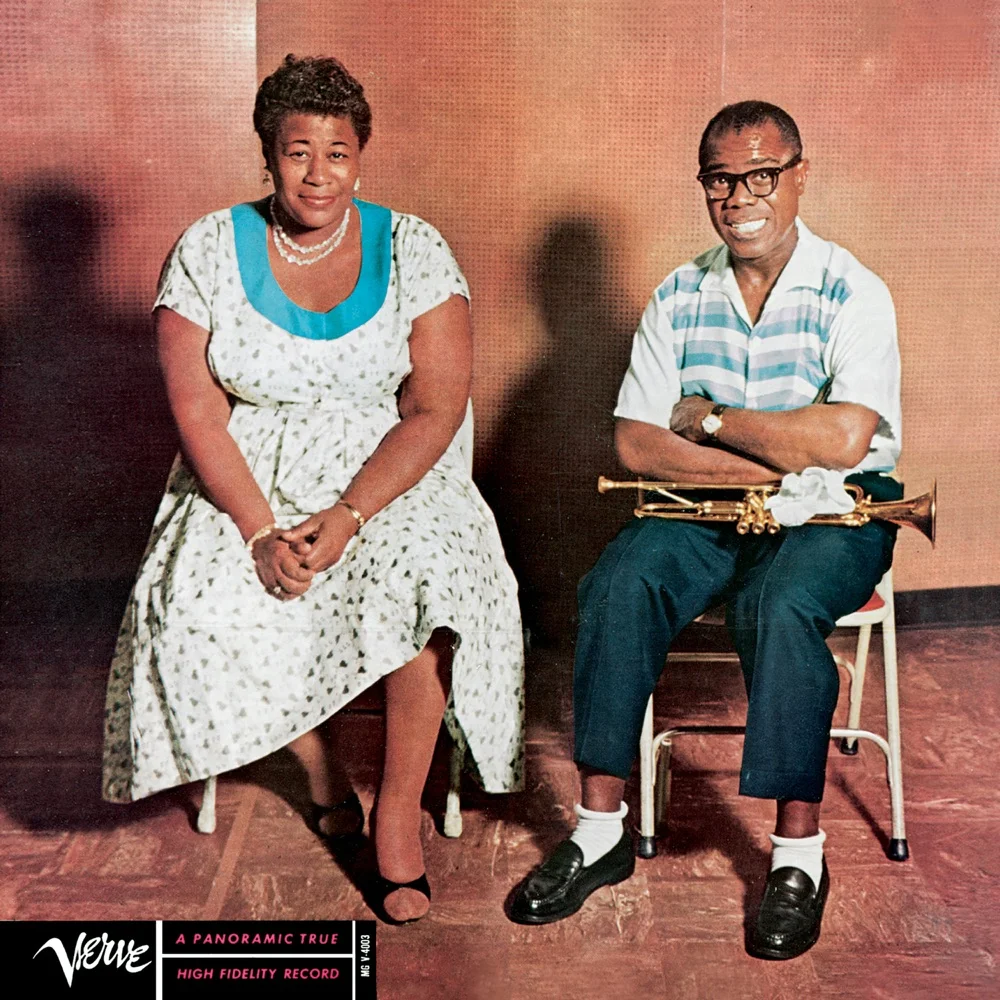
The Masterclass in Jazz Dynamics
Tenderly, as performed by Ella Fitzgerald and Louis Armstrong, is a study in vocal contrast. Recorded for their legendary collaborative album Ella and Louis (1956), this track demonstrates how two completely different vocal textures can blend to create a masterpiece. It relies less on vocal acrobatics and more on emotional delivery and timing.
To sing this well, you must understand the two distinct characters: Ella's pristine, bell-like clarity and Louis's warm, gravelly phrasing. Let's break down exactly how to tackle this standard.
AI Coach Tip: Back Phrasing
Jazz requires a relaxed feel. Our analysis shows that top scorers sing slightly "behind the beat" (back phrasing) rather than rushing. Wait for the piano chord, then slide into the lyric.
Phase 1: Ella's Smooth Legato
The song opens with Ella. The key here is legato—singing in a continuous, smooth flowing manner. There should be no sharp breaks between words. The opening line "The evening breeze caressed the trees" sits comfortably in the middle register.
The Technique: Use a light chest-mix. Avoid pushing air too hard. Ella uses a subtle slide (portamento) between intervals, which softens the melody. Keep your vibrato delayed until the very end of sustained notes.
Phase 2: Louis's Texture & Phrasing
When Louis enters, the mood shifts. He doesn't just sing the notes; he interprets them with texture. His voice acts almost like a muted trumpet.
- Texture: If you are mimicking Louis, do not squeeze your throat to get the "rasp." Instead, relax your jaw and allow the sound to rumble in the chest.
- Rhythm: Louis swings harder than Ella. He shortens some vowels and elongates others to play with the time. The AI Coach tracks your rhythmic deviation here.
Phase 3: The Harmony & Coda
The final section brings both voices together. The challenge is balancing volume. Louis's voice is naturally "heavier" in frequency, while Ella's is "brighter."
To blend, the higher voice (Ella's part) should maintain a steady, straight tone, while the lower voice (Louis's part) provides the rhythmic foundation. The final harmony on "Tenderly" requires precise intonation to lock the chord.
Frequently Asked Questions
No. Singing Coach AI analyzes pitch and timing accuracy, not just timbre. You can sing Louis's part with a clean tone, provided you nail his unique phrasing and rhythmic swing.
In this arrangement, the melody peaks around C5 for Ella. It is not a high-range song, making it perfect for developing style and breath control.
Yes. In the app, you can choose to mute either Ella or Louis to practice their specific harmony, or sing the main melody throughout as a solo performance.

