
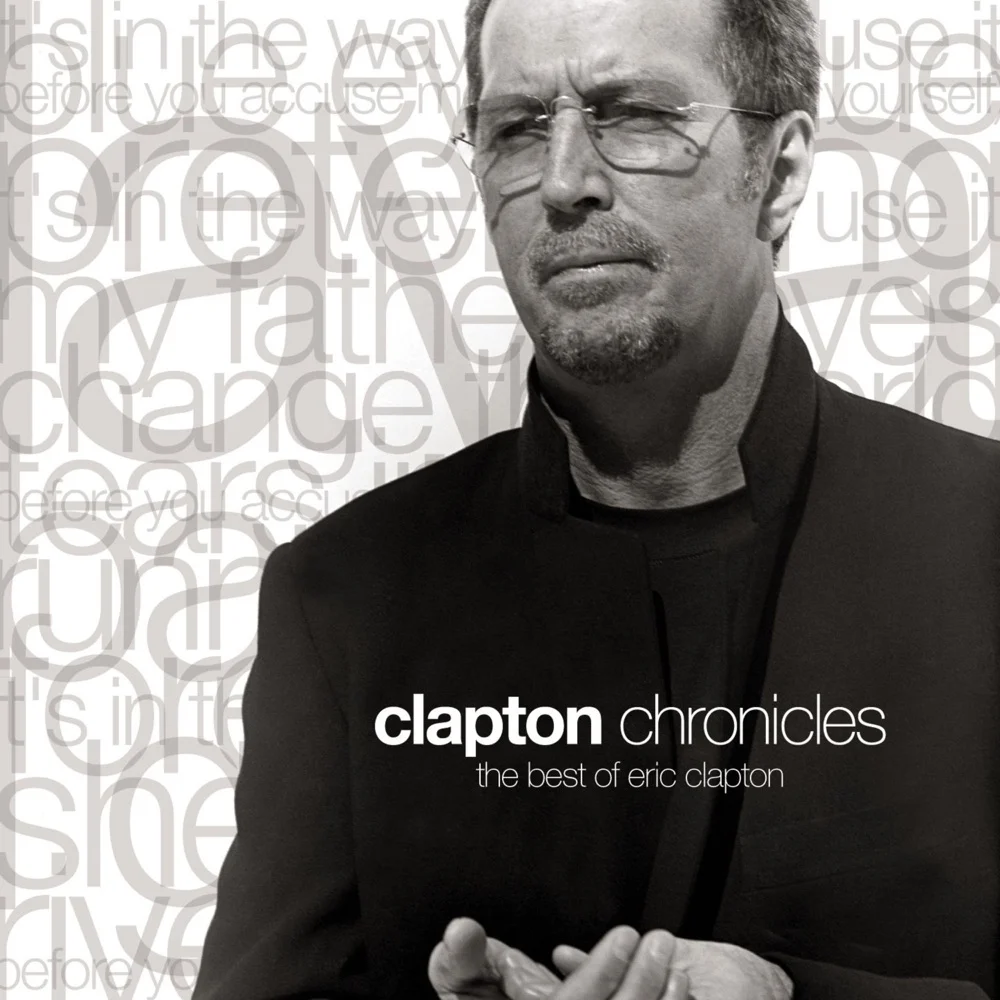
Mastering the Emotional Ballad
Eric Clapton's Tears in Heaven is a masterclass in emotional restraint. Written following the tragic loss of his son, the song demands vulnerability, not volume. Released on the Unplugged album, it stripped away the heavy blues-rock production Clapton was known for, leaving only acoustic guitars and a fragile, breathy vocal performance.
To sing this well, you need to focus on tone color. The challenge isn't hitting high notes; it is maintaining a consistent, warm resonance while singing quietly (mezzo-piano) and navigating the bridge modulation smoothly.
AI Coach Tip: Watch the Vibrato
Clapton uses very little vibrato in the verses to create a "conversational" intimacy. Our analysis shows users score higher when they keep the tone straight and only add slight vibrato at the very end of phrases.
Phase 1: The Verses (0:00 - 1:55)
The song starts in A Major. The opening lines, "Would you know my name," sit comfortably in the middle of the male chest register. The key here is breath management.
The Trap: Because the range is comfortable, singers often get lazy with support, leading to a flat pitch. Keep your diaphragm engaged even though you are singing softly. The "h" in "Heaven" should be aspirated but not harsh.
Phase 2: The Bridge (1:55 - 2:30)
The emotional climax occurs here. The song modulates, and the melody lifts. The line "Time can bring you down, time can bend your knees" pushes toward the upper limit of the chest voice for many baritones.
- Time can bring you down: This phrase requires a lighter mix. If you push full chest voice, it will sound too aggressive for the song's context.
- I must be strong: This return to the lower register needs to feel grounded and resolved.
- Cause I know: Watch the pitch accuracy on these shorter notes; they are often rushed.
Phase 3: The "Unplugged" Feel
Rhythmically, this song swings slightly. It's not rigid. When singing with the Singing Coach AI backing track, try to sit slightly "behind" the beat (back-phrasing) to capture that relaxed, acoustic vibe. If you are too perfectly on the grid, it will sound robotic.
Focus on the storytelling. Every word carries weight. The dynamics should swell slightly in the chorus but never reach a shout.
Frequently Asked Questions
The highest note is approximately a G#4 (in the bridge), typically sung in a light mix or head voice depending on your range.
Technically it is moderate, but the difficulty lies in the emotional control and maintaining pitch accuracy at low volumes without going flat.
You need to allow more airflow through the vocal cords, but ensure you are still supporting from your diaphragm. If you feel scratching in your throat, you are squeezing, not supporting.