
A Psychedelic Folk Masterclass
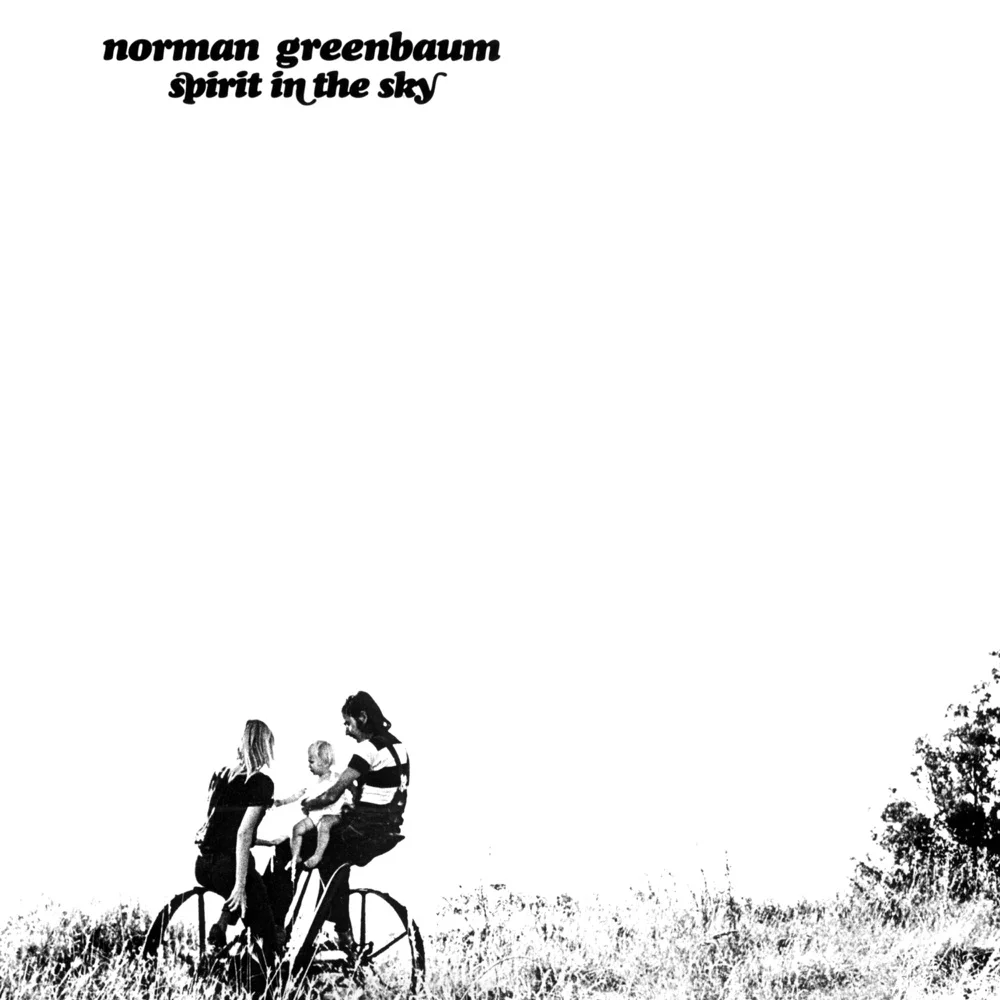
Released on the 1969 album Spirit in the Sky, "Tars of India" showcases Norman Greenbaum's unique blend of folk storytelling and psychedelic rock textures. While not as vocally demanding as his biggest hits, this track requires a keen sense of rhythm and tonal control.
To sing this well, you need to capture the relaxed, conversational essence of the 60s folk scene while maintaining pitch accuracy during the melodic jumps. Let's break down exactly how to tackle it, section by section.
AI Coach Tip: Focus on Phrasing
Many singers rush the delivery. Our analysis shows that staying "in the pocket"—slightly behind the beat—improves your stylistic score significantly. Relax into the groove.
Phase 1: The Verses
The song starts in a comfortable mid-range. The key is clarity and storytelling. Greenbaum uses a specific enunciation that is clear yet stylized. You want a bright, forward placement in your mask (the area around your nose and cheekbones) to replicate that vintage folk sound.
The Trap: Because the melody is catchy and repetitive, it's easy to sound robotic. Try to vary your dynamics slightly with each line to keep the narrative engaging.
Phase 2: The Stylistic "Twang"
Norman Greenbaum's voice has a distinct character that sits somewhere between country and psychedelic rock. To achieve this, engage your "twang."
- Resonance: Keep the sound forward. Avoid a dark, operatic tone.
- Vowels: Flatten your vowels slightly (think "American West" accent) to match the genre.
- Sustain: On held notes, use a gentle, fast vibrato rather than a wide, dramatic one.
Phase 3: The Melodic Lifts
While mostly in a comfortable speaking range, the song features melodic lifts that can surprise you. When reaching for the F#4, do not push too much air. Keep your volume consistent and rely on resonance rather than force. This preserves the "chill" vibe of the track while hitting the pitch accurately.
Frequently Asked Questions
The highest sustained chest-voice note sits around an F#4. It is approachable for most Tenors and Baritones.
Yes, this is an excellent song for beginners. The range is not extreme, allowing you to focus on rhythm and tone character without straining your voice.
Focus on a brighter tone and nasal resonance. Use the Singing Coach AI app to visualize your timbre and compare it to the original track.