
The Devil is in the Details
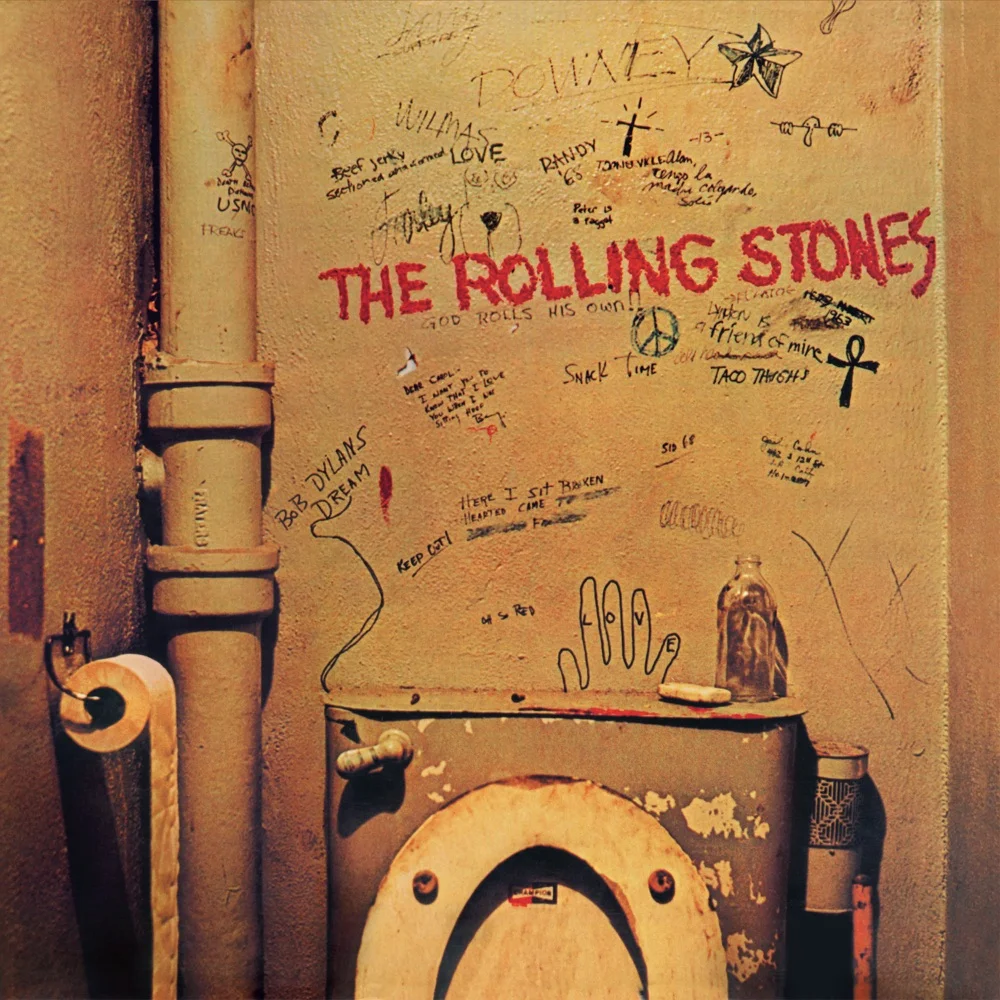
"Sympathy for the Devil" is a masterclass in vocal character. Opening The Rolling Stones' 1968 album Beggars Banquet, the track is less about perfect melodic singing and more about rhythmic storytelling. Mick Jagger adopts the persona of Lucifer, guiding the listener through history with a tone that is equal parts charming and menacing.
To sing this effectively, you need to loosen up. The song is driven by a samba rhythm, and your vocals must act as another percussion instrument. It demands a wide dynamic range, moving from a conversational whisper to falsetto yelps and aggressive shouts.
AI Coach Tip: Percussive Diction
Jagger's delivery is staccato. Do not drag out the vowels. Our analysis shows higher scores for singers who hit the consonants hard on words like "tank," "rank," and "blitzkrieg."
Phase 1: The Narrative Verses (E3 - B3)
The song begins with just percussion. When you enter with "Please allow me to introduce myself," you should be in a comfortable chest voice. The melody hovers around E3.
The Technique: Use a "talk-singing" approach (Sprechgesang). Keep your volume at a medium level (mezzo-forte) but infuse it with confidence. You are playing a character who is wealthy and tasteful—don't sound desperate.
Phase 2: The Falsetto Hook (The "Woo-Woo")
A signature element of the song is the backing vocal chant "Woo-woo!" which runs through much of the track. This sits at an E5 in falsetto.
To nail this, keep your jaw loose and direct the sound into your head voice. If you try to push your chest voice this high, you will strain. It should feel light and airy, providing a ghostly contrast to the gritty lead vocal.
Phase 3: The Outro and Ad-libs
As the song progresses, the intensity builds. By the outro, Jagger is screaming, yelping, and using vocal fry to add texture. The line "Tell me baby, what's my name" requires more forward placement and "twang" to cut through the dense instrumentation.
Don't be afraid to experiment here. The pitch accuracy is less important than the energy. The AI Coach will be looking for volume consistency and rhythmic accuracy during these ad-libs.
Frequently Asked Questions
The highest sustained notes are the falsetto "woo-woo" parts which hit an E5. The lead vocal stays mostly in the mid-range until the ad-libs.
Yes, this song is excellent for Baritones. The verses sit comfortably in a lower tessitura. The high notes are mostly falsetto, which is accessible to most voice types with practice.
Jagger often flattens his vowels (singing "man" more like "maahn") and sings slightly behind the beat to create a laid-back, swaggering feel.