
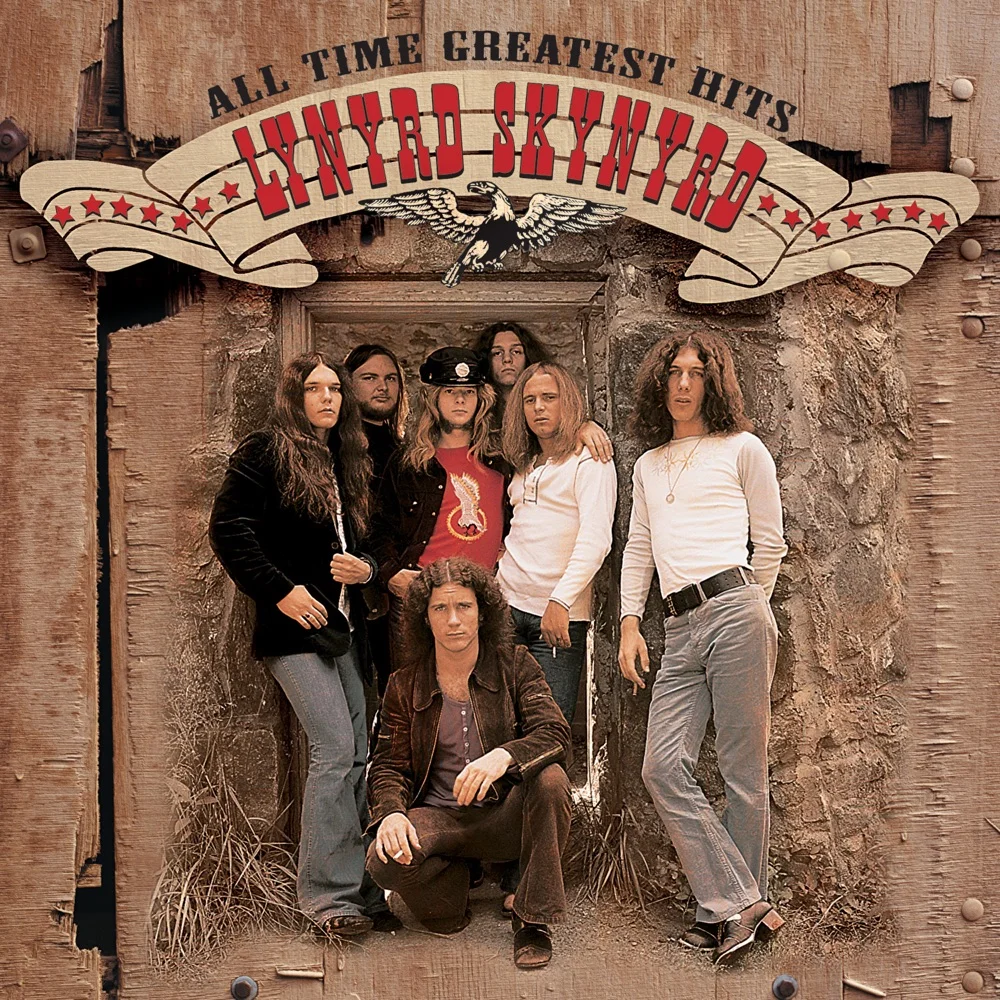
The Anthem of Southern Rock
Sweet Home Alabama is more than just a song; it's a masterclass in laid-back, conversational singing. Released in 1974 on the album Second Helping, Ronnie Van Zant's vocals are instantly recognizable for their lack of pretension. He sings with a unique blend of rhythm and speech that sits perfectly in the pocket of the groove.
To sing this well, you don't need a massive operatic range. You need attitude, precise phrasing, and the ability to maintain a strong chest resonance without sounding forced. Let's break down exactly how to capture that Southern Rock sound.
AI Coach Tip: The Spoken Intro
The famous "Turn it up" intro is spoken, not sung. Our analysis shows users lose points here by trying to apply a melody. Keep it casual, rhythmic, and commanding—like you're talking to the sound engineer.
Phase 1: The Verse (Conversational Tone)
The verses are sung primarily in the G3 to D4 range. The key here is articulation. Ronnie Van Zant uses a very direct, storytelling approach. It’s almost Sprechgesang (speak-singing).
The Trap: Many singers over-sing the verses, adding too much vibrato. This song requires a straight tone with a slight "twang." Flatten your vowels slightly (e.g., "Big wheels" sounds more like "Whay-uls") to get that authentic resonance.
Phase 2: The Chorus (Open Vowels)
The chorus ("Sweet Home Alabama") opens up melodically. You need to switch from the gritty verse texture to a more resonant, open sound to blend with the female backing vocals.
- Sweet Home: Use a tall vowel shape. Drop your jaw.
- Blue Skies: Watch your pitch on "Skies." It’s easy to go flat here as the phrase descends.
- Harmonies: The background "Ooh, ooh, ooh" parts are essential. They sit higher in the mix (around A4) and require a lighter head voice.
Phase 3: The Ad-libs and Outro
As the piano solo kicks in, the vocals become looser. The line "Lord, I'm comin' home to you" requires more breath support as you sustain the notes longer than in the verses.
To hit the higher ad-libs (reaching up toward F#4 or G4), engage your diaphragm and push from the belly, not the throat. If you feel tightness in your neck, you are pushing too hard. Relax the jaw and let the microphone do the work.
Frequently Asked Questions
The main vocal melody tops out around D4/E4, but Ronnie hits an F#4 and occasionally touches a G4 during the ad-libs and energetic shouts.
Yes, but it might feel low in your range. Tenors should focus on adding "fry" or grit to their lower register to match the weight of the original Baritone vocal.
Focus on vowel modification. Widen your mouth slightly on "A" and "E" vowels. Practice speaking the lyrics in rhythm before you try to sing them.