
The Blueprint for Blues-Rock Vocals
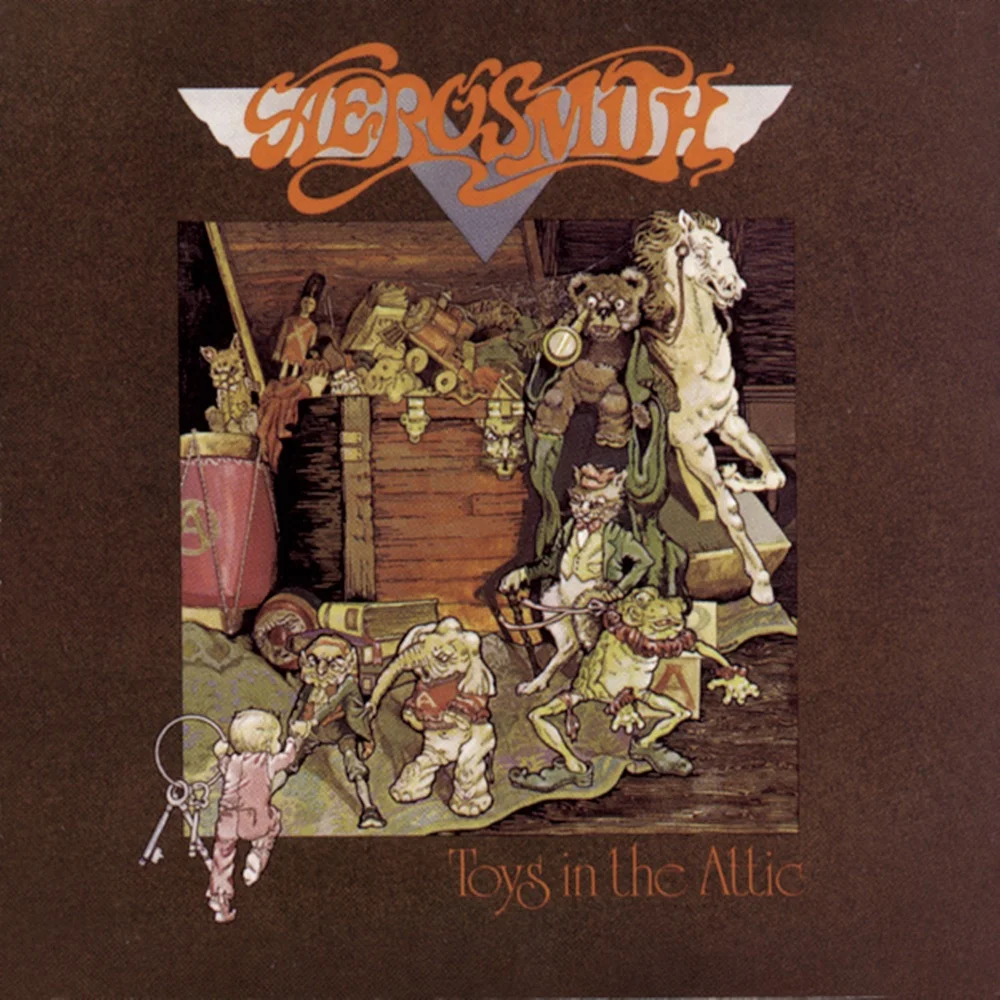
Sweet Emotion is the track that launched Aerosmith from club band to stadium giants. Released on the 1975 album Toys in the Attic, it is instantly recognizable for its talk-box guitar intro and Steven Tyler's signature vocal delivery. The song is a study in contrast, moving between low, rhythmic verses and a soaring, harmony-laden chorus.
To sing this well, you need to master the art of "attitude." Tyler doesn't just sing the notes; he chews on them. You need loose phrasing for the verses and incredible breath support for the upper-register screams in the outro. Let's break it down.
AI Coach Tip: Relax the Jaw
Many singers tense up trying to mimic Tyler's rasp. This actually kills your range. Keep your jaw loose and focus on "twang" (pharyngeal resonance) rather than squeezing your throat to get that gritty sound.
Phase 1: The Verses (Groove & Phrasing)
The song kicks off with a bass riff in A. When the vocals enter ("You talk about things and nobody cares"), the pitch is relatively low (E3 to A3 range). The challenge here isn't range; it's rhythm.
The Trap: Singing too squarely on the beat. Tyler sings slightly behind the beat (layback) to create that lazy, cool blues feel. Enunciate your consonants sharply but let the vowels slide.
Phase 2: The Chorus (Harmonies)
The chorus ("Sweet Emotion...") is a wall of sound. In the studio, Tyler recorded multiple harmony layers.
- The Melody: The main chest voice line stays around A4. It needs to be punched with power.
- The High Harmony: There is a falsetto/head voice line sitting a third or fifth above the melody. If you have a lighter voice, you might find singing the upper harmony easier than belting the main line.
- Vowel Modification: Modify "Sweet" to sound more like "Sweh-eet" to open the throat for the higher notes.
Phase 3: The Outro (The Screams)
This is the hardest part of the song physically. As the guitar solo ramps up, Tyler unleashes a series of high-pitched ad-libs reaching up to E5.
To hit these notes, you must switch into a reinforced head voice or "mixed voice." Do not drag your heavy chest voice up this high or you will strain. Imagine the sound coming out of the top of your head, not your mouth.
Frequently Asked Questions
The highest belted notes in the main melody reach A4, but the ad-lib screams in the outro hit a piercing E5.
Yes, but the chorus and outro will be a workout. The verses sit perfectly in a Baritone's wheelhouse. For the high notes, focus on developing your falsetto or mix. You can also transpose down -2 semitones in the app.
Rasp should come from false cord engagement, not vocal fry. It requires a lot of air pressure. If it hurts or tickles, stop immediately and rest.