
The "Mount Everest" of Vocal Stamina
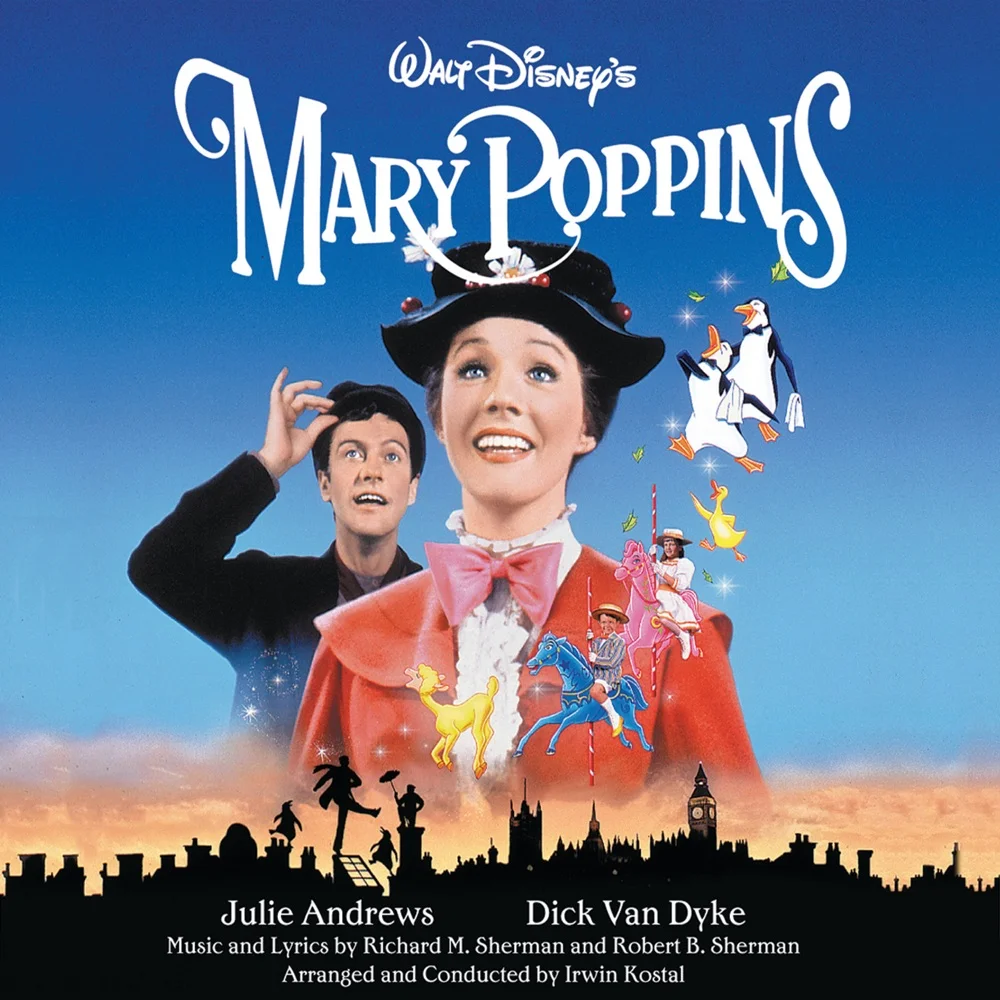
Step in Time is the energetic centerpiece of Disney's 1964 classic Mary Poppins. Written by the Sherman Brothers, this track is less about hitting high notes and more about relentless rhythm, precise diction, and character acting. It mimics the style of Music Hall "knees-up" songs.
To sing this well, you need to channel the energy of a chimney sweep. The vocal performance relies heavily on "speech-level singing" and shouted projection. You must maintain this high energy for an extended period without losing your breath or damaging your vocal cords.
AI Coach Tip: Watch the Glottal Stops
To nail the Dick Van Dyke accent, focus on dropping your T's in the middle of words (e.g., "be'er" instead of "better"). Our AI analyzes your consonant harshness to score your dialect accuracy.
Phase 1: The Rhythmic Drive
The song is driven by a marching beat. The vocals act almost as a percussion instrument here. When singing "Kick your knees up!", ensure you are landing squarely on the downbeat.
The Trap: Because the tempo is fast, singers often rush ahead of the beat. Use the Singing Coach AI app's metronome visualizer to keep your phrasing locked in tight with the orchestra.
Phase 2: Character Projection
This song sits comfortably in the Baritone range (C3-E4), meaning pitch isn't the primary antagonist—boredom is. You must color your voice with enthusiasm.
- The Accent: While Dick Van Dyke's accent is infamously exaggerated, you need to commit to it fully for the song to work. Round your vowels and drop your H's ("'Allo, Mary Poppins").
- The Call and Response: When shouting "Link your elbows!" or "Step in time!", use your diaphragm, not your throat. Think of calling to someone across the street rather than screaming.
Phase 3: Breath Control & Stamina
The full sequence is long. You need to identify "breath points" early. Do not wait until you are out of air to breathe. Snatch quick breaths during the instrumental breaks between the commands.
Keep your chest open and your posture upright (even if you are dancing). Collapsing the ribcage will cut off your air supply and make the final "Step in Time!" shout sound weak.
Frequently Asked Questions
It is physically demanding due to the speed and length, but the vocal range is accessible for most Baritones. The difficulty lies in the stamina and acting.
You need an exaggerated East End Cockney accent. The Singing Coach AI app analyzes your vowel shapes to help you match Dick Van Dyke's specific style.
Engage your core muscles and use "twang" (narrowing the epiglottis) to create a loud, piercing sound without pushing excessive air through the cords.
