
Mastering the "Indie Whisper"
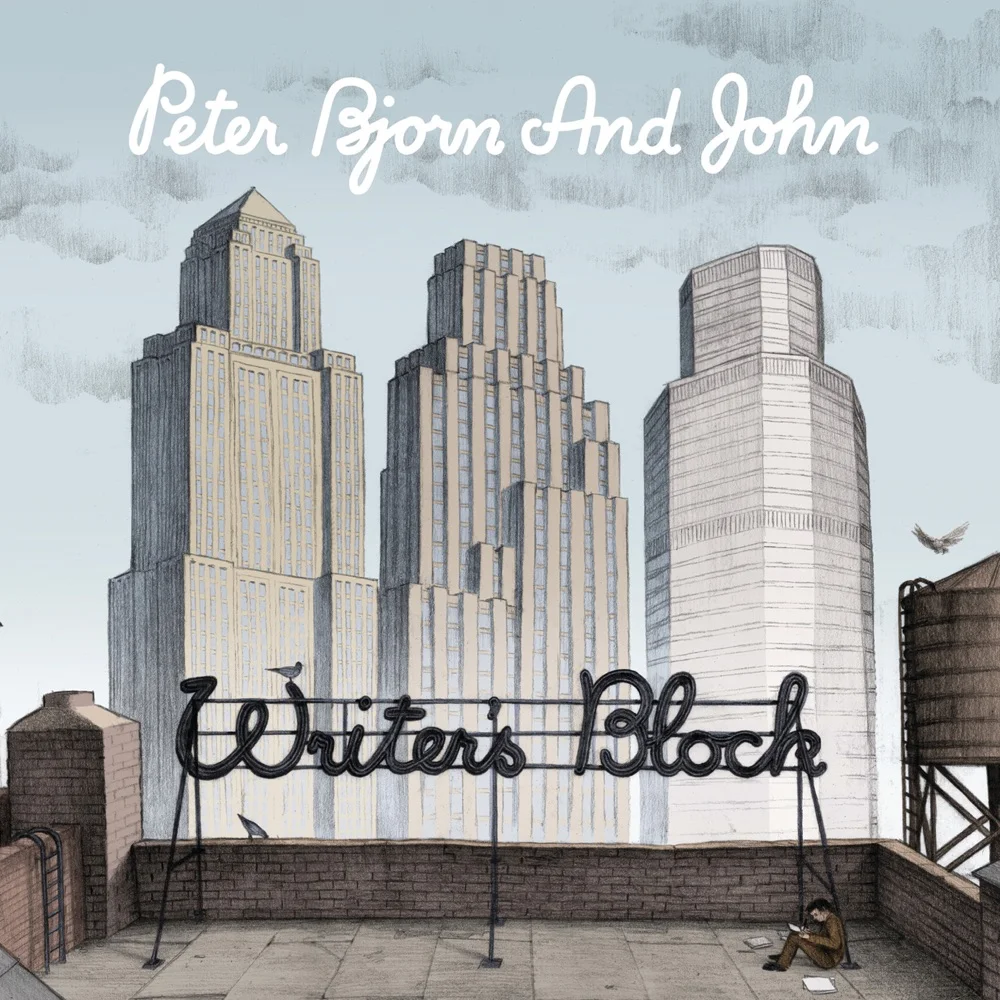
From the seminal album Writer's Block, "Start to Melt" by Peter Bjorn and John is a masterclass in texture and restraint. Unlike power ballads that require high volume, this song demands control over soft dynamics. It sits comfortably in a mid-range, making it accessible for most male voices, but the challenge lies in maintaining character.
To sing this authentically, you need to channel a sense of intimacy. Imagine you are singing into a microphone that is only an inch away from your lips. Let's break down the technical approach.
AI Coach Tip: Air-to-Tone Ratio
Our analysis detects that many users sing this track with too much compression (too squeezed). Try to exhale slightly more air than usual while singing to achieve that "lo-fi" aesthetic. Aim for 60% tone, 40% breath.
Phase 1: The Verse (Lower Register)
The song begins in D Major with a repeating, hypnotic quality. The melody hovers around the A2 to D3 range.
The Trap: Because the notes are low and easy, singers often get lazy with pitch. Keep your soft palate slightly lifted even on the low notes to prevent the sound from becoming "muddy." Enunciate the consonants gently—don't pop the 'P's or 'T's too hard.
Phase 2: The Emotional Lift
As the song progresses, the melody climbs slightly higher, touching on the F#4. This isn't a belt; it's a gentle lift. You should feel the resonance move from your chest up into your mask (the area behind your nose).
- Rhythm: The delivery is almost conversational. Avoid singing rigidly on the grid.
- Volume: Keep it consistent. Sudden spikes in volume will ruin the mood of the track.
- Vowels: Use narrow vowels. "Melt" should feel vertical in your mouth, not spread wide.
Phase 3: Texture and Mood
The essence of "Start to Melt" is the feeling of dissolving. The vocals should mirror the lyrics. When Peter sings "I start to melt," he often allows the end of the phrase to trail off into breath.
Practice the "sigh" technique. Start a note and let it fade out naturally without cutting it off abruptly. This creates the smooth, liquid legato required for this style of indie pop.
Frequently Asked Questions
The highest sustained chest/mix note is an F#4. It is approachable for most Baritones and Tenors without needing to switch to falsetto.
Not strictly, but adding light falsetto embellishments on the higher ends of phrases fits the style perfectly. Think of it as a texture tool rather than a necessity.
Singing softly actually uses more air than singing loudly because the vocal cords are more open. Practice diaphragmatic breathing exercises in the Singing Coach AI app to increase your capacity.