
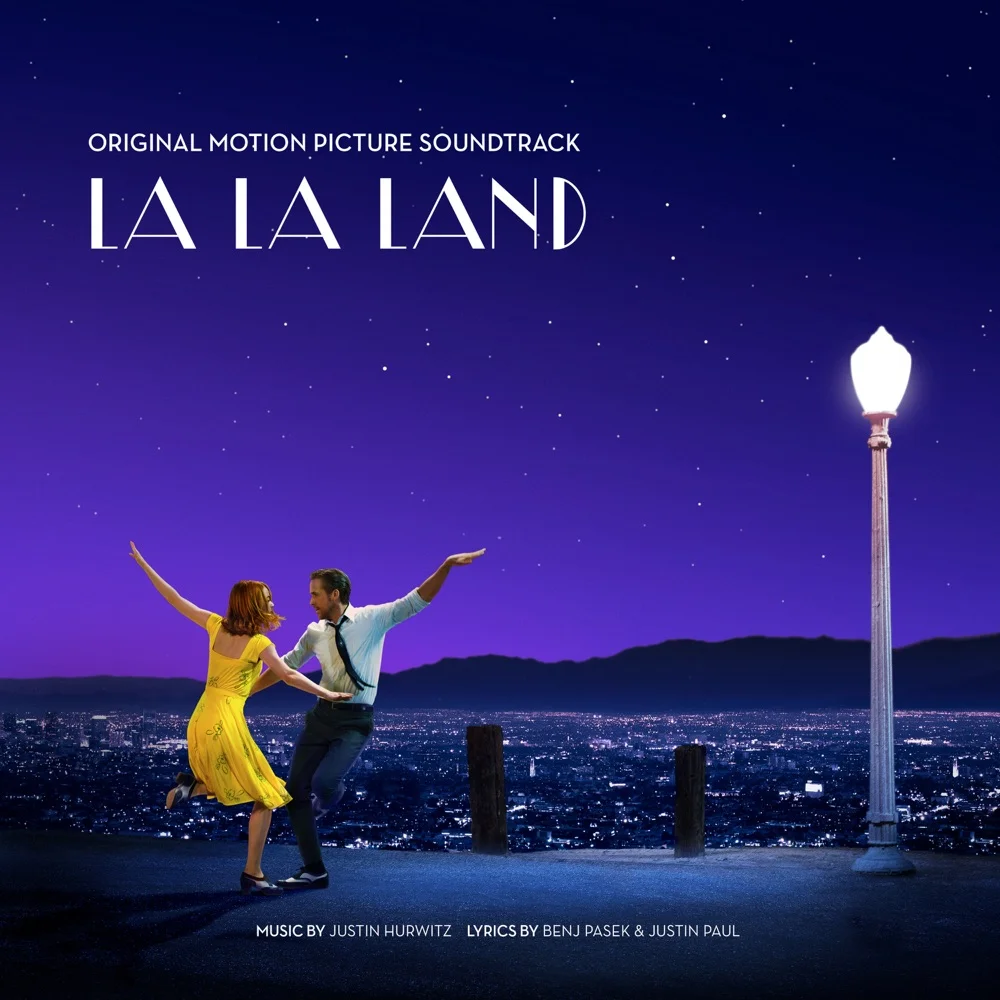
The Soul of "La La Land"
Performed by John Legend in the critically acclaimed film La La Land, "Start a Fire" represents the collision of traditional jazz and modern pop-soul. While the movie portrays this track as a departure from jazz purity, for a vocalist, it is a masterclass in modern R&B singing. It requires a smooth tone, impeccable timing, and the ability to "sell" a groove.
Unlike power ballads, this song doesn't rely on massive belts. Instead, it demands control. You need to sit "in the pocket" of the beat and navigate the key of Db Major with confidence. Let's break down how to capture John Legend's signature style.
AI Coach Tip: Relax the Phrasing
Many singers rush the verses. Neo-soul works best when you are slightly behind the beat. Our analysis detects if you are pushing the tempo too hard. Relax your jaw and let the melody flow.
Phase 1: The Verse Groove (0:00 - 0:45)
The song starts with a driving bassline and a conversational vocal approach. The range here is very accessible (Eb3 - Ab3), but the challenge is tone color. You want a "chesty" resonance but kept at a medium volume.
The Trap: Being too staccato. John Legend connects his words smoothly (legato). Ensure you carry the breath through the end of the phrase "I don't know why I keep moving my body."
Phase 2: The Chorus Lift (0:45 - 1:15)
The energy lifts as the synthesizers kick in. The line "We could start a fire" sits higher in your chest voice. You need to brighten your vowel sounds here. Think of smiling slightly while singing to raise the soft palate and give the sound more "ping."
- Dynamics: Don't shout. Increase intensity, not just volume.
- Vibrato: Use a terminal vibrato (straight tone, then vibrato at the end of the held note) to mimic the pop production style.
Phase 3: The Bridge & Falsetto (2:10 - End)
This is the stylistic peak of the song. After the instrumental break, the vocals become more improvisational. You will encounter ad-libs that reach up to Db5.
To hit these high notes like John, you must switch seamlessly into your head voice or falsetto. Keep the sound light and breathy. If you try to pull your chest voice up this high, you will strain and go flat.
Frequently Asked Questions
The highest notes are the ad-libs in the final chorus and outro, reaching a Db5 in falsetto. The main melody stays mostly below Ab4.
Yes! This song sits in a very comfortable range for Altos. You might find the low notes in the verses (Eb3) require a bit of support, but the chorus will shine in your range.
Avoid forcing a growl. The "rasp" often comes from vocal fry at the onset of words or allowing a little extra air through the cords. Practice gently before adding power.