
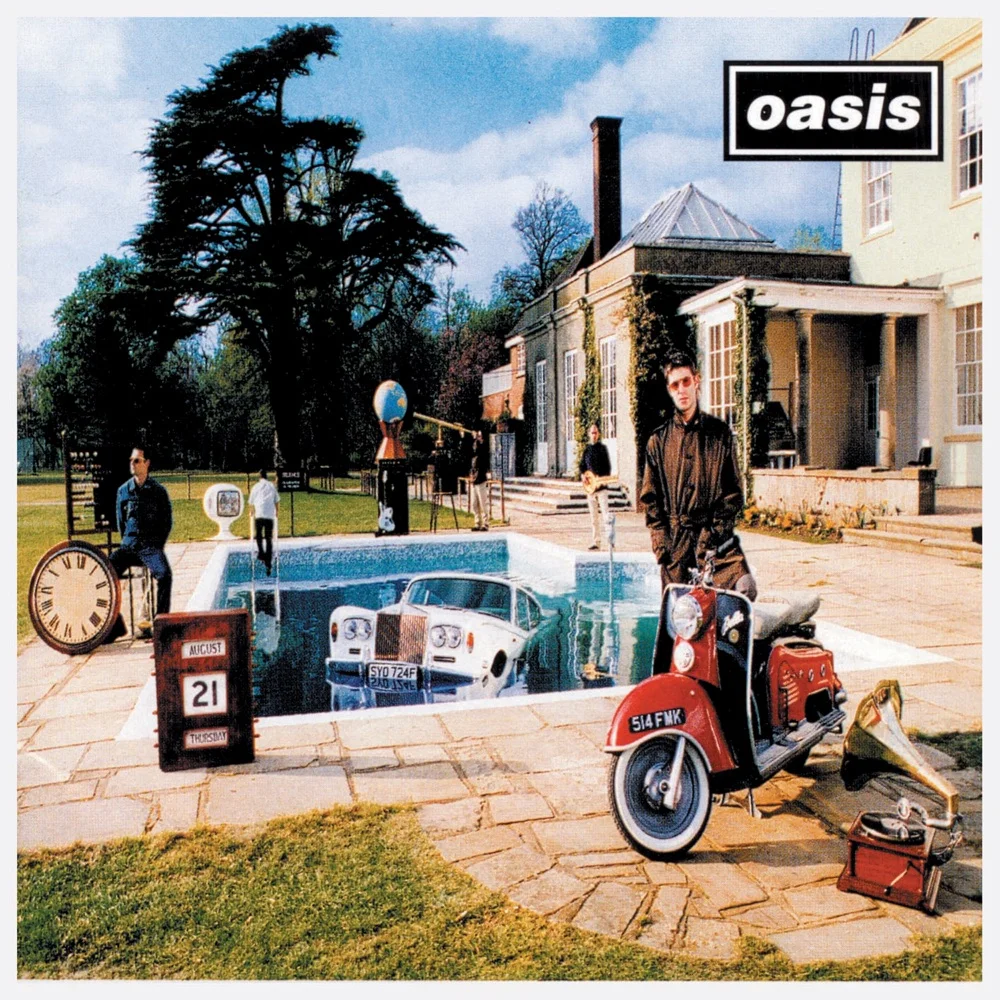
The Essential Britpop Anthem
Released in 1997 on Be Here Now, "Stand by Me" is one of Oasis's most enduring ballads. It captures Liam Gallagher at the peak of his vocal power, combining raw aggression with a surprising amount of tenderness. Unlike the cleaner pop of the time, this track requires grit, attitude, and a very specific placement of resonance.
To sing this authentically, you need to abandon classical "pretty" techniques. Liam's voice is famous for its nasal, cutting quality—often described as singing "through the nose" but supported by the chest. Let's break down how to achieve this sound safely.
AI Coach Tip: The "Sneer" Vowels
Liam elongates his vowels. The word "Shine" in the chorus isn't sung as a quick "shine"—it's stretched into "Shee-ine." Our AI detects vowel shape, so ensure you are modifying your vowels to maintain the Britpop style.
Phase 1: The Verse (0:00 - 1:07)
The song opens in G Major with the line "Made a meal and threw it up on Sunday." This sits comfortably in the middle range. The key here is not pitch, but delivery.
The Technique: Keep the sound forward in your "mask" (the front of your face). Avoid a breathy tone. Imagine you are leaning into the microphone. It should feel conversational but projected.
Phase 2: The Pre-Chorus (1:07 - 1:33)
As the lyrics move to "So what's the matter with you?", the melody begins to climb. Tension builds here. You need to engage your diaphragm more aggressively to support the rise in pitch without straining your throat.
Beware of the rhythm here—Oasis tracks often drag slightly behind the beat (laid back), so don't rush the delivery of the lyrics.
Phase 3: The Chorus (1:33 - 2:05)
The hook "Stand by Me, nobody knows..." is the vocal test. You are hitting G4s and A4s with power. This requires a strong chest mix.
- Support: If you don't support with your breath, your voice will crack on "way it's gonna be."
- Resonance: To get that Gallagher rasp without hurting yourself, use "twang." Narrow the epiglottic funnel to create a piercing sound that requires less air pressure.
Frequently Asked Questions
The highest belted note in the main melody is an A4. It occurs during the chorus and the ad-libs towards the end of the song.
Yes. If you are a Baritone, you might find the A4 challenging. Use the Singing Coach AI app to transpose the track down -1 or -2 semitones to make the high belt more comfortable.
Rasp should come from false cord engagement or placement, not squeezing. Focus on nasal resonance ("ng" sound) to lift the pressure off your vocal cords.