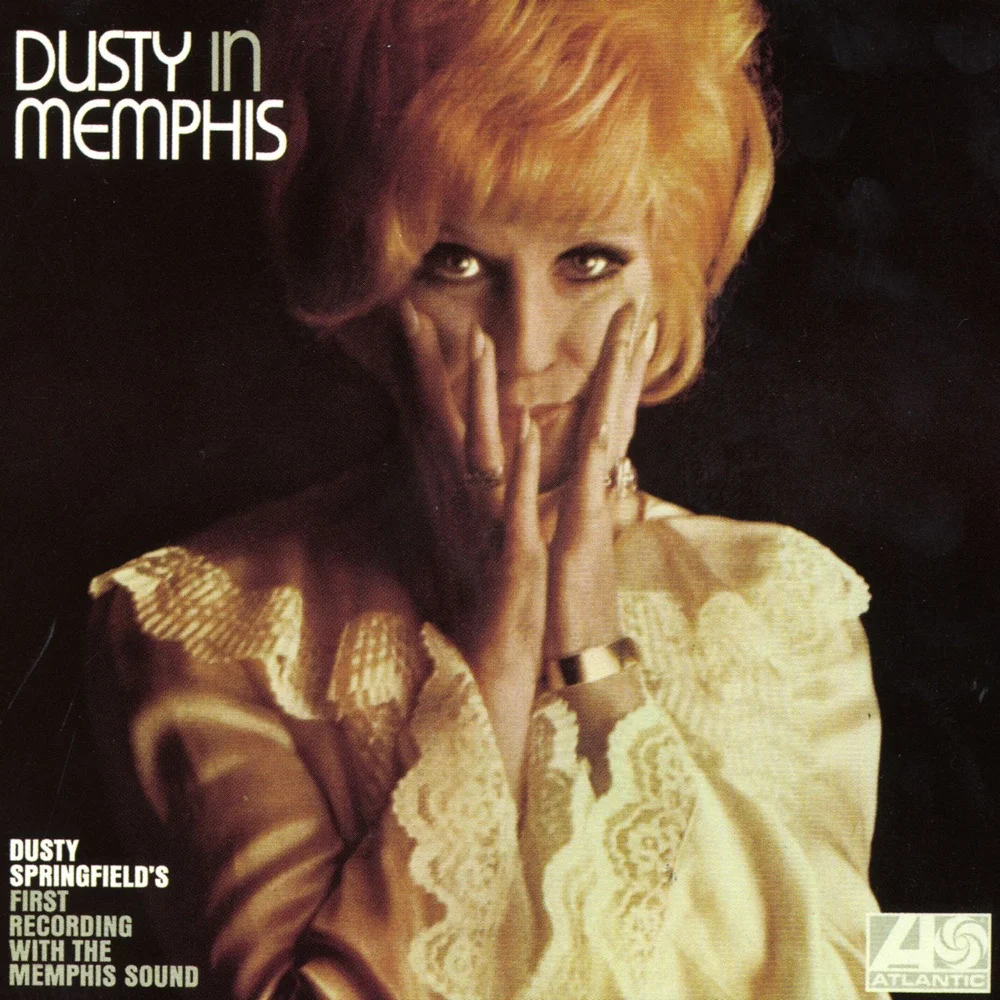
The Epitome of Blue-Eyed Soul
Recorded for the legendary 1969 album Dusty in Memphis, "Son of a Preacher Man" is more than just a pop song—it is a lesson in restraint and groove. Unlike high-energy rock songs, this track sits in the pocket. It requires a singer to be laid back, slightly behind the beat, and incredibly breathy.
The song is particularly friendly to Alto and Mezzo-Soprano voices because it sits largely in the chest register. The challenge isn't hitting high notes; it is maintaining the "smoky" tone without losing pitch accuracy.
AI Coach Tip: The Aspirate Onset
Dusty uses a lot of air in her voice. When singing "Billy Ray was a preacher's son," try adding an 'H' sound before the vowels. This "aspirate onset" creates that signature intimate texture.
Phase 1: The Low Verses (0:00 - 0:45)
The song begins low, around E3. For many female singers, this is near the bottom of the range. To project here without pressing, keep your jaw relaxed and your larynx neutral.
The Trap: Singers often try to "fry" the vocal cords to reach these low notes. Instead, think of speaking the lyrics on pitch. Keep the volume mezzo-piano (medium soft).
Phase 2: The Pre-Chorus Climb
As the lyrics move to "The only one who could ever reach me," the melody begins to climb. You need to increase your breath support here. The intensity builds, but the tone should remain warm. Avoid becoming too nasal or "twangy" in this section.
Phase 3: The Chorus Hook
The chorus, "Son of a Preacher Man," is iconic. It sits comfortably in the middle voice (around B3-E4). The key here is phrasing. Dusty slides into notes (portamento) rather than hitting them squarely on the grid.
- Groove: Don't rush. The rhythm section is laid back. If you sing too far ahead of the beat, you lose the soul feel.
- Ad-libs: Towards the end of the song, the ad-libs reach up to A4. These should be belted with a mixed voice, not pure head voice, to maintain the power of the song.
Frequently Asked Questions
The main melody stays relatively low, but the ad-libs in the outro reach up to an A4 (and occasionally touch a B4 depending on the version).
It can be challenging for high sopranos because the verses sit very low (E3). You may need to transpose the key up +2 or +3 semitones in the Singing Coach AI app to fit your tessitura.
Do not squeeze your throat. The "rasp" should come from air passing through the cords (breathiness), not from grinding them together. Drink plenty of water and warm up your lower register first.