
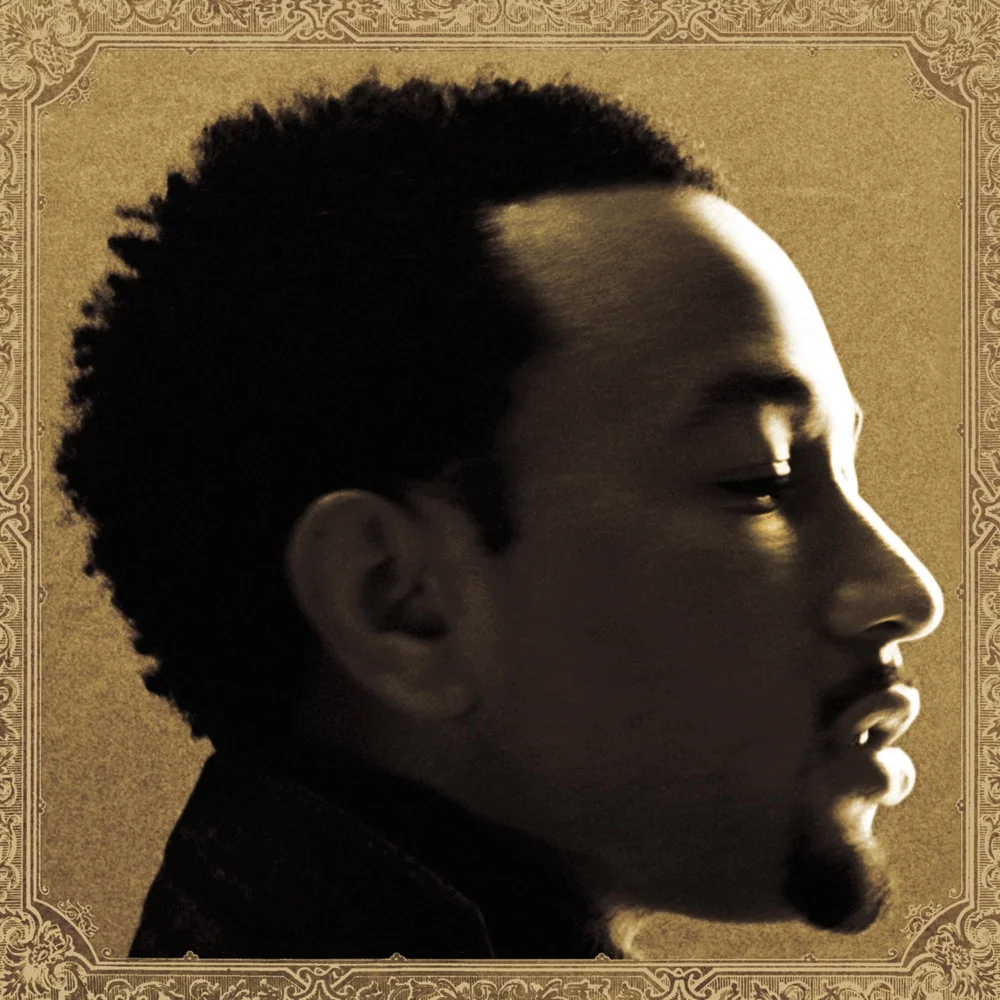
The Ultimate Soul Ballad Challenge
John Legend's "So High" is a masterclass in modern R&B phrasing and dynamic control. Featured on his debut album Get Lifted, this song relies less on sheer power and more on texture, warmth, and the ability to glide effortlessly between chest voice and falsetto. It requires a singer to be vulnerable yet technically precise.
To sing this well, you must master the "groove" of your vocal delivery. You cannot sing this straight on the beat like a pop song; it requires a laid-back, soulful approach. Let's break down exactly how to tackle the nuances of this track.
AI Coach Tip: Watch Your Airflow
Many singers push too hard on the high notes. Our analysis shows that a breathy, aspirate onset works best for the chorus. Think of sighing into the note rather than attacking it.
Phase 1: The Verse (Warmth & Control)
The song starts in a comfortable mid-range for Tenors. The challenge here is maintaining a warm, resonant tone without sounding "bored." You need to engage your diaphragm support even at low volumes.
The Trap: Singers often drop the ends of their phrases. Ensure you sustain the energy through the end of lines like "Baby, since the day you came into my life," tapering off gently rather than cutting abruptly.
Phase 2: The Chorus (The Falsetto Switch)
The hook, "You get me so high," is iconic. John Legend switches to a light, airy head voice (or falsetto) here. This contrast between the grounded verse and the floating chorus creates the song's emotional lift.
- Placement: Feel the resonance move from your chest up to your forehead or "mask."
- Dynamics: Pull back the volume. If you belt this too loudly, you lose the romantic, ethereal vibe.
- Pitch Accuracy: The slide up to "High" needs to be precise. Use the Singing Coach AI visualizer to ensure you aren't sliding too slowly and sounding flat.
Phase 3: The Ad-libs (R&B Runs)
Towards the end of the song, Legend introduces complex melisma (vocal runs). These are largely based on the Eb Major Pentatonic scale.
To master these, practice them slowly on a vowel sound like "No" or "Mum" before adding the lyrics. Precision is key—every note in the run must be distinct, not smeared together.
Frequently Asked Questions
The highest note is typically a C5 in falsetto. In full voice/belt, the melody generally peaks around Bb4 depending on the specific ad-libs performed.
Yes, the original key is actually quite low for a Soprano, making it a great song to showcase your lower register. Alternatively, you can transpose it up +2 or +3 semitones in the Singing Coach AI app to fit a higher tessitura.
John Legend has a natural texture to his voice, but you can mimic the soulful feel by adding a slight "cry" or "whimper" into your tone onset. Be careful not to grind your vocal cords to force rasp, as this can cause damage.