
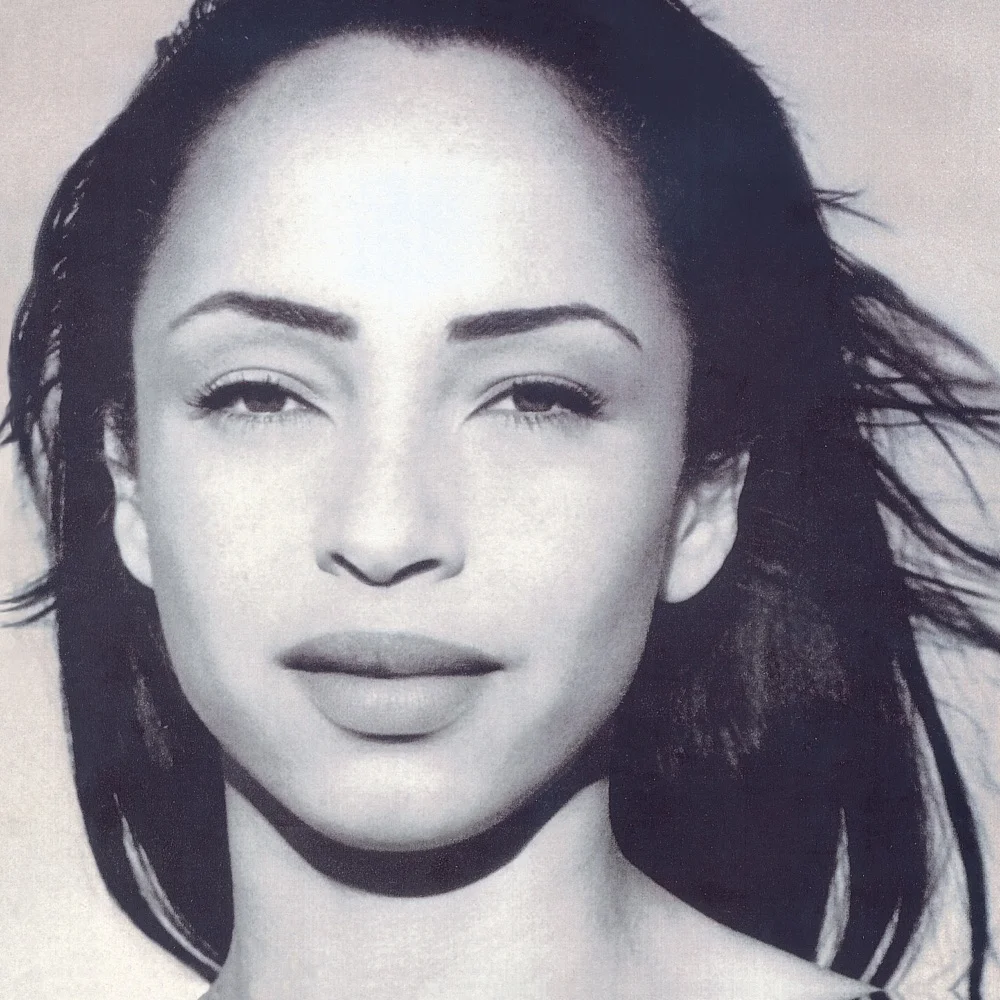
Mastering the "Queen of Cool"
Smooth Operator is the definition of sophisticated pop. Released on Sade's debut album Diamond Life in 1984, the track relies less on vocal gymnastics and more on texture, timing, and tone. It tells the story of a jet-setting playboy, requiring the singer to adopt a detached, observational, yet utterly captivating persona.
To sing this well, you need to abandon the urge to "belt." The power of this song comes from a relaxed jaw, a warm chest resonance, and a slight breathiness that never sacrifices pitch accuracy. Let's break down the technique.
AI Coach Tip: The "Breathy Onset"
Sade uses a soft onset for her notes. Instead of attacking the vowel hard (glottal attack), imagine an "H" before every word. This creates that signature airy texture without losing the core tone.
Phase 1: The Verses (Low & Controlled)
The song opens in D minor. The lines "Diamond life, lover boy" sit low in the female register (around A3). For sopranos, this can feel weak. For altos, it's a sweet spot.
The Technique: Keep your larynx neutral. Do not press your chin down to hit low notes; this cuts off resonance. Instead, relax your neck and feel the vibration in your sternum (chest voice). Speak the lyrics more than you "sing" them initially to find the groove.
Phase 2: The Chorus (Smooth Phrasing)
The hook "Smooth operator..." is all about legato phrasing. You must connect the words smoothly without choppy breaks for air. The melody gently rises but never demands a belt.
- Coast to coast: Watch your rhythm. Sade sings slightly behind the beat (back-phrasing) to create a relaxed jazz feel.
- LA to Chicago: Ensure crisp diction on the city names while maintaining the melodic flow.
Phase 3: The Fade Out (Stability)
As the song progresses into the saxophone solo and the final ad-libs, the challenge is maintaining pitch stability while fading in volume. It takes more breath support to sing quietly and accurately than it does to sing loudly. Engage your diaphragm to keep the pitch from going flat as you decrescendo.
Frequently Asked Questions
The melody generally stays below C5. There are some ad-libs that float higher, but the core song is very accessible for lower voice types.
Sade Adu is a Contralto. Her voice is famous for its dark, warm, and husky quality, distinct from the brighter tone of Sopranos.
Reduce your vibrato. Sade uses a very straight tone, only allowing a shimmer of vibrato at the very end of long notes. Practice holding notes straight and steady.