
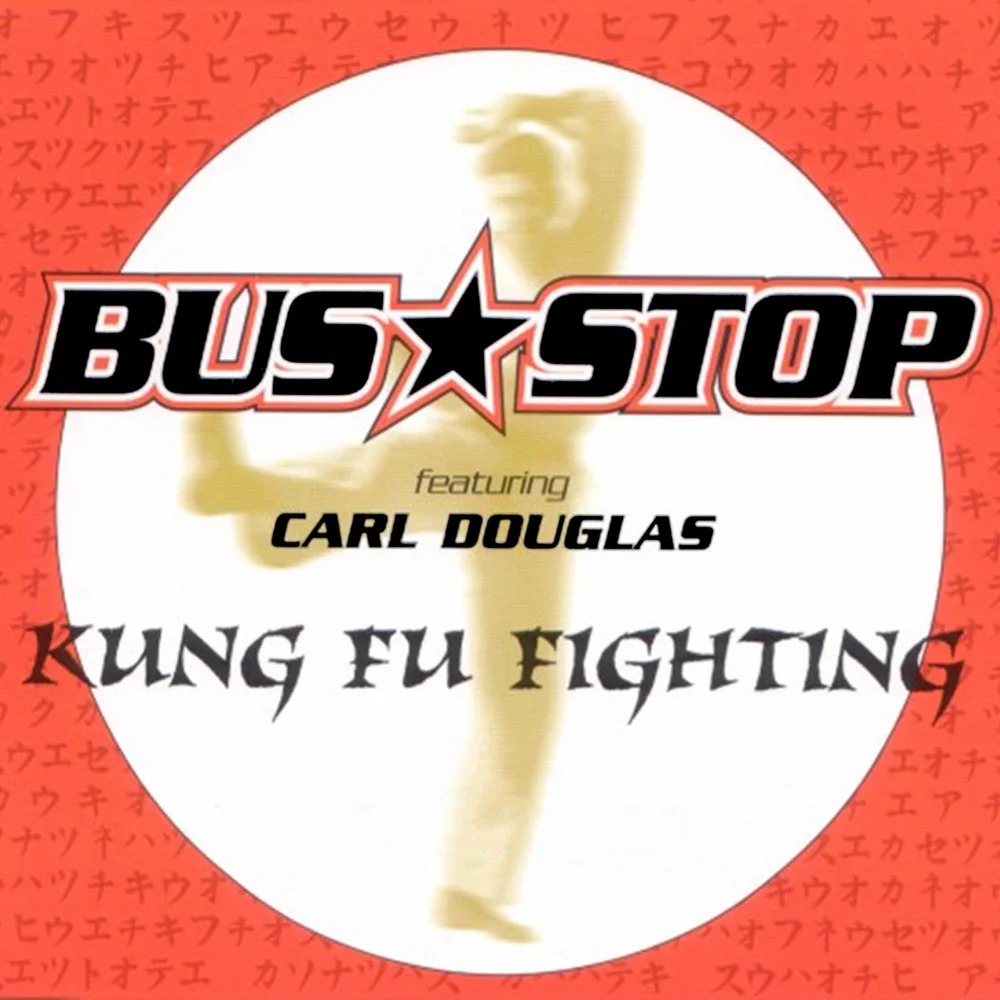
Bringing Soul to a Classic Standard
Originally composed by Charlie Chaplin, "Smile" is a song often associated with melancholy. However, Carl Douglas's interpretation flips the script by infusing it with a rhythmic, soulful groove. It transforms a tear-jerker into a head-bobbing anthem of resilience.
To sing this well, you need to step away from the operatic or strictly ballad-like approach. This version requires a conversational tone, impeccable timing, and a warm mid-range resonance that feels effortless rather than forced.
AI Coach Tip: The "Inner Smile"
It sounds literal, but lifting your cheekbones while singing (the "inner smile" technique) naturally brightens your tone. Our analysis shows that users who maintain this resonance score higher on pitch accuracy in the chorus.
Phase 1: The Verses (Smooth & Warm)
The song stays in a very accessible range for most male voices (Baritone/Tenor). When you sing "Smile though your heart is aching," keep the volume at a comfortable conversational level (mezzo-piano).
The Technique: Focus on legato singing—connecting the notes smoothly—but keep the consonants crisp to match the rhythmic backing track. Don't drag the tempo; sit right in the pocket of the beat.
Phase 2: The Chorus Lift
As the song progresses to "If you smile through your fear and sorrow," there is a slight lift in intensity. You don't need to belt here; instead, add a little more "twang" or forward placement to your voice.
- Breath Support: Keep the airflow steady. A common mistake is running out of breath at the end of the phrase "You'll find that life is still worthwhile."
- Tone Color: Avoid a dark, heavy operatic sound. Keep it light, poppy, and hopeful.
Phase 3: The Soulful Ad-libs
Towards the end, Carl Douglas adds some stylistic flair. This is where you can loosen up. The melody allows for slight improvisation, but be careful not to stray too far from the pitch center. The AI Coach will monitor your pitch drift to ensure your stylistic choices remain in key.
The key to this song is sincerity. It's not about hitting high notes; it's about convincing the listener that everything is going to be okay.
Frequently Asked Questions
The melody generally tops out around E4 or F4, making it very safe for Baritones without requiring a high belt.
Carl Douglas's version is more rhythmic and upbeat, leaning into a soul/reggae feel, whereas other covers tend to be slow, dramatic ballads.
Focus on the rhythm. The beat in this version is your friend. Lean into the groove and brighten your vowel shapes to sound more optimistic.