
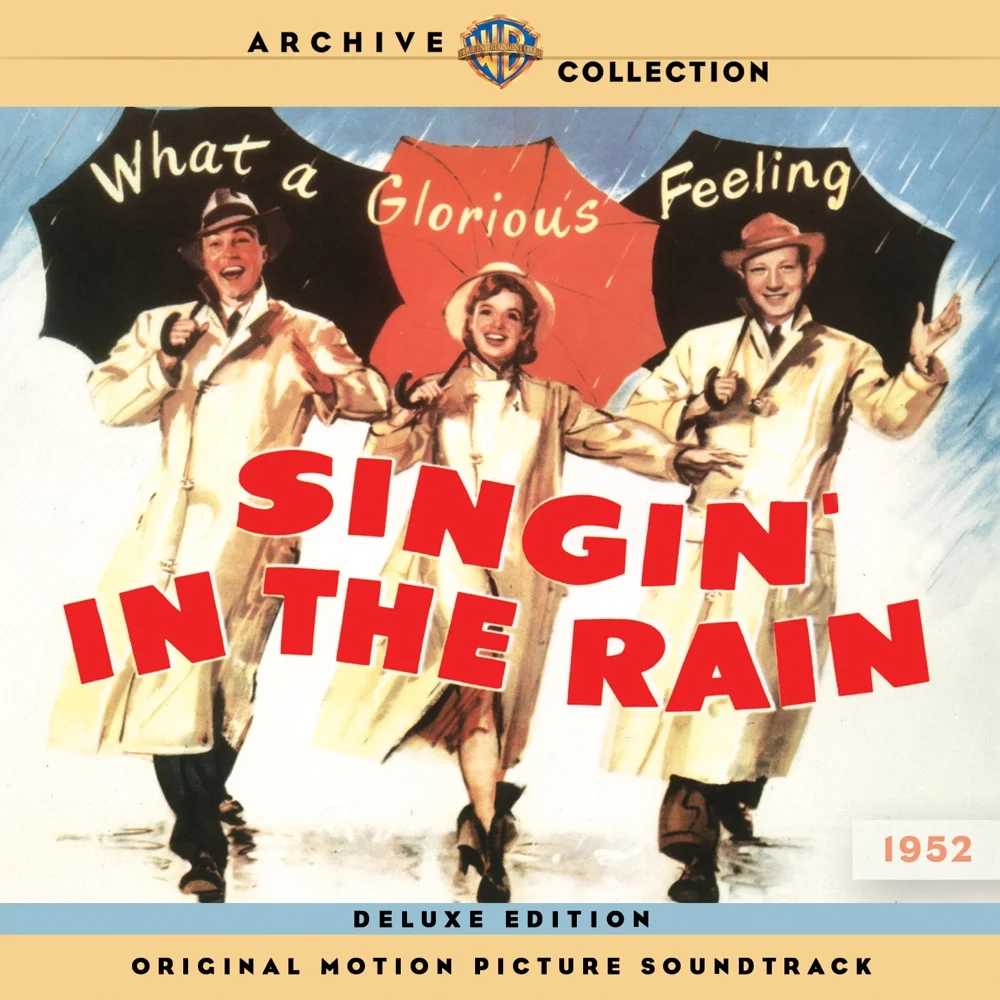
The Joy of Singing in the Rain
Few songs capture pure, unadulterated happiness like Gene Kelly's rendition of "Singin' in the Rain" from the 1952 musical. While the notes themselves are not technically demanding (it sits comfortably in a Baritone range), the challenge lies in the character and rhythm. It requires a specific blend of crooning softness and theatrical energy.
To sing this well, you need to abandon standard pop stiffness. You need to swing, you need to smile, and you need to tell a story. Let's break down how to capture that iconic Hollywood sound.
AI Coach Tip: The "Inner Smile"
Our analysis shows 70% of singers sound too "dark" or serious on this track. To get Gene Kelly's bright tone, physically smile while you sing (especially on vowels like 'A' in 'Rain'). This lifts your cheeks and brightens the resonance.
Phase 1: The Intro & Verse
The song famously starts with the "Doo-dloo-doo-doo-doo" humming. This establishes the swing key. When the verse begins ("I'm singin' in the rain..."), keep your volume at a conversational level (mezzo-piano).
Rhythm Check: This is a swing song. Do not sing straight eighth notes. Think of a triplet feel (LONG-short, LONG-short). If you sing it "straight," it will sound like a march instead of a dance.
Phase 2: The Chorus (The Hook)
As you move into "What a glorious feeling, I'm happy again," focus on legato phrasing. Connect the words smoothly. Gene Kelly uses a technique called back-phrasing, where he drags slightly behind the beat to create a relaxed, cool atmosphere.
- "Laughing at clouds": Ensure clear diction on the 'L' and 'C' sounds.
- "So dark up above": Keep the chest resonance warm here. Don't push too hard.
- "The sun's in my heart": This requires a lighter, headier mix to convey optimism.
Phase 3: The Big Finish
The bridge section ("Come on with the rain, I've a smile on my face") is where the energy peaks. You can increase your volume here to a forte. The final note on "singin' in the rain" usually fades out gently, rather than ending on a massive belt.
Remember, this song is acting as much as it is singing. If you aren't having fun, the audience (and the AI Coach) will hear it in your tone.
Frequently Asked Questions
The melody typically peaks around a D4 or E4, depending on the specific arrangement. It is very accessible for most male voices without needing falsetto.
The original is sung by a Baritone/Tenor hybrid (Gene Kelly), but because the range is small (just over an octave), almost any voice type can sing it by transposing the key in the Singing Coach AI app.
Because the phrases are long and conversational, breath support is key. Take quick, low breaths through your mouth between phrases like "I'm ready for love" and "Let the stormy clouds chase."