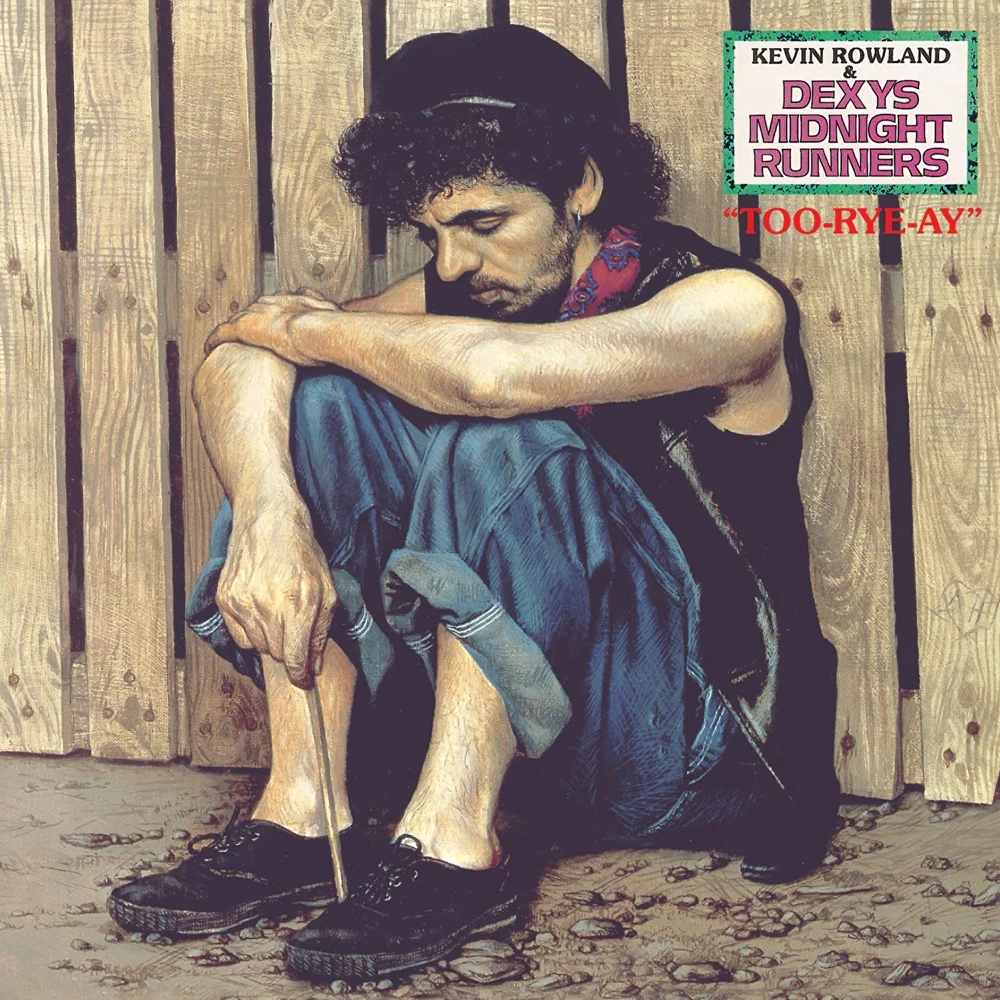
The Heart of the "Celtic Soul Brothers"
"Show Me" is a standout track from the iconic Too-Rye-Ay album. Unlike standard pop songs of the era, Kevin Rowland's vocal performance is less about clinical precision and more about raw, unrestrained emotion. It blends soul, pop, and a distinct New Wave energy.
To sing this well, you need to abandon the idea of "pretty" singing. Rowland uses a technique often called "crying" in the voice—a slight constriction in the pharynx that simulates the sound of weeping, adding intense emotional weight to the lyrics. Let's break down how to capture that sound.
AI Coach Tip: Watch the Syncopation
Rowland often sings slightly behind the beat. Our analysis shows that users who relax their timing and don't rush the delivery score significantly higher on "Style" metrics.
Phase 1: The Verses
The song begins with a distinct groove. The vocal range here is comfortable for most Tenors and Baritones (C3 to F4). The key is diction. Rowland's enunciation is stylistic—almost conversational but with a rhythmic punch.
The Trap: Don't sing it too flat. Even in the verses, there is a dynamic build. Keep your breath support engaged so you don't sound bored; you should sound pleading.
Phase 2: The Chorus (Show Me!)
This is where the energy spikes. The repetition of "Show me, show me, show me" requires excellent breath stamina. You are competing with a heavy brass section here.
- Volume: You need a strong chest mix. Don't shout, but project forward.
- Vowel Modification: On the "Oh" sound in "Show," drop your jaw to create a taller acoustic space. This gives the note more resonance without requiring more physical effort.
Phase 3: The Bridge & Outro
The song creates a wall of sound towards the end. The vocals become more ad-libbed and soulful. This is the time to let go of strict melody adherence and feel the music.
To nail the high notes (up to A4) safely, use "twang" (narrowing the epiglottis funnel). This helps your voice cut through the mix like a trumpet, matching the brass instrumentation of the band.
Frequently Asked Questions
The highest belted chest-voice note is typically an A4, though ad-libs may vary slightly. It sits comfortably in a Tenor's tessitura.
Yes. The range is accessible, though the sustained energy in the higher midrange might be tiring. Singing Coach AI allows you to transpose the track -2 semitones for practice.
Focus on the "sob" quality. Practice engaging your cry muscles (like when you are about to cry) while singing to add that signature soulful texture.